Current Issue

2026 Vol. 40, No. 6

Cover
2026, 40(6)
PDF (8)
Abstract:
2026, 40(6): 1-2.
Abstract:
Cover Feature
Development of a 6.2 GPa Precompressed Static-Dynamic Compression Technique for Wide-Range Equation-of-State Investigations
MA Xuyang, TU Yuchun, HE Zhiyu, JIA Guo, FANG Zhiheng, WANG Peipei, HUANG Xiuguang
2026, 40(6): 060101. doi: 10.11858/gywlxb.20261060
HTML PDF (42)
Abstract:

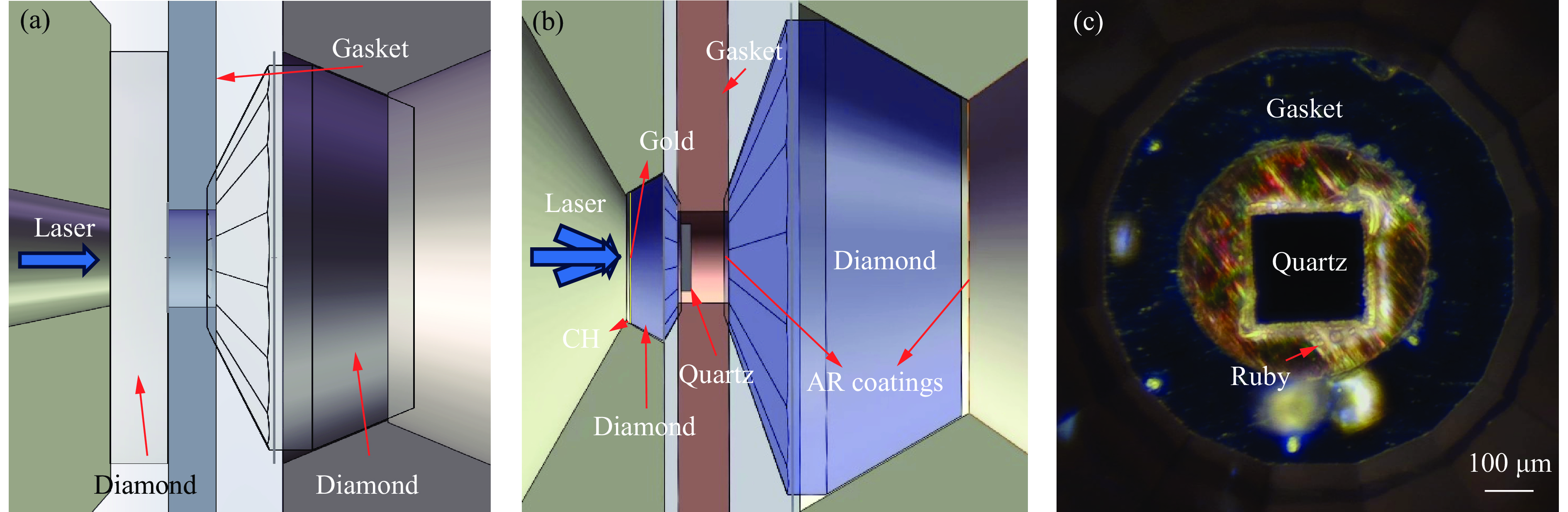
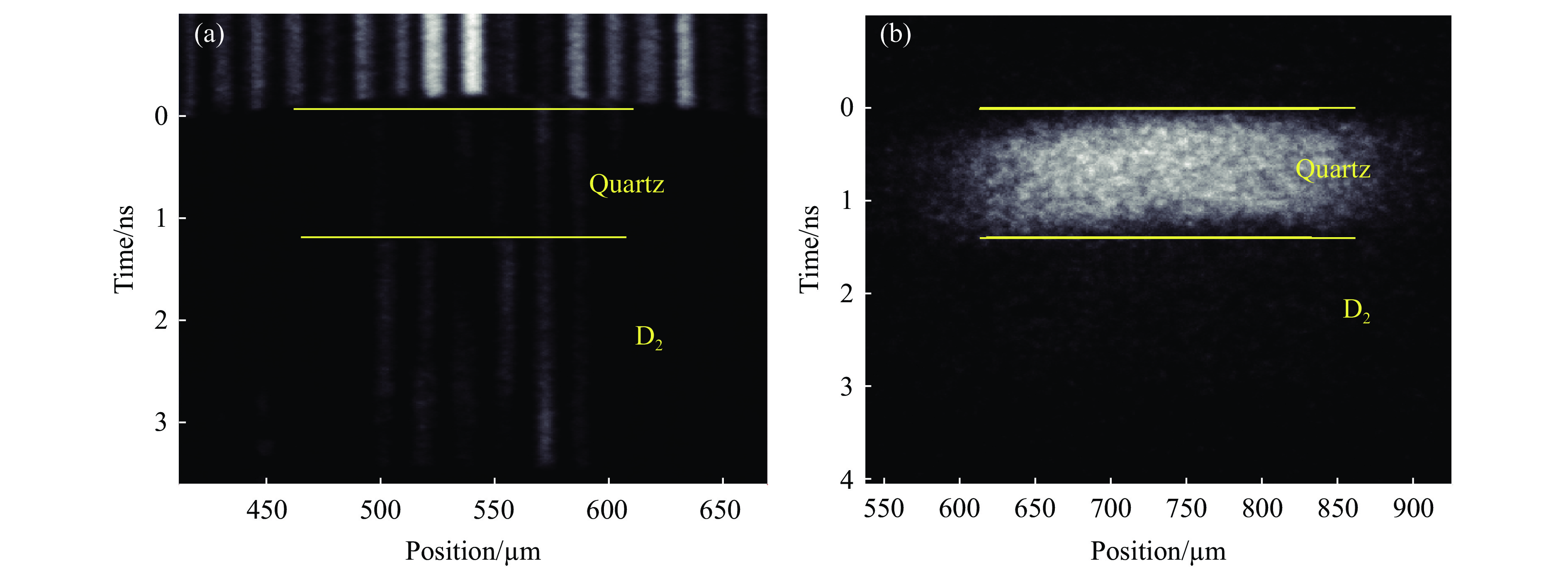
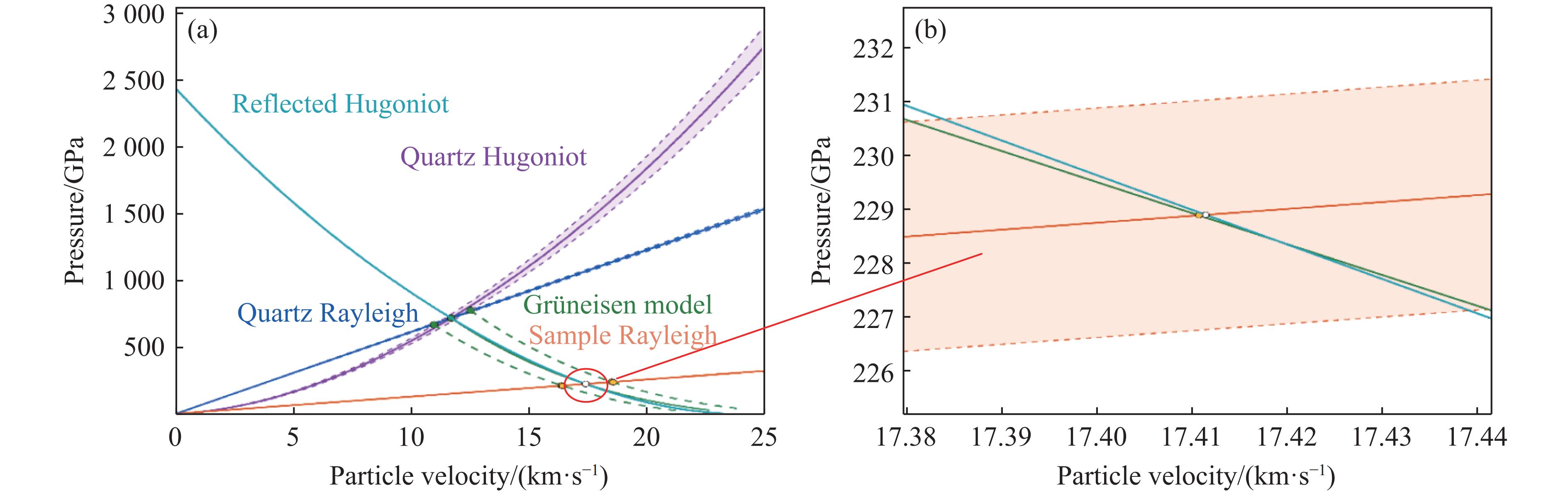
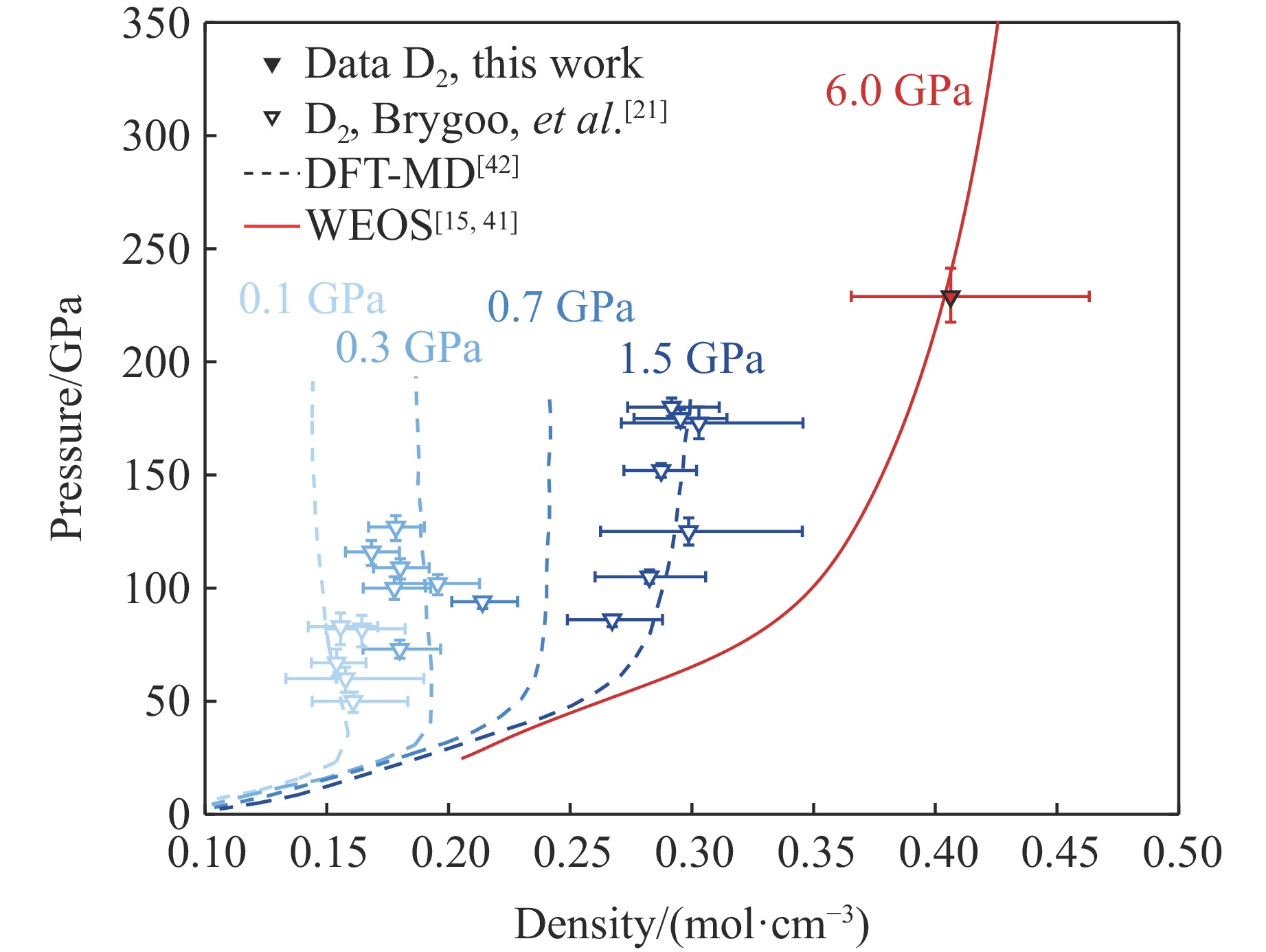
The equation of state of materials under extreme pressure and temperature conditions is the important fundamental data in high energy density physics, planetary science, and inertial confinement fusion research. Traditional shock compression experiments are limited by the initial state of the sample and can usually only cover a limited thermodynamic region. In contrast, the static-dynamic compression technique combining static high pressure and laser-driven dynamic compression can significantly extend the accessible thermodynamic region by changing the initial density of the material. In this work, a high-precompression static-dynamic compression experimental technique for equation-of-state studies over a wide thermodynamic range is developed. By mechanically and optically optimizing the target structure of a Mini-Boehler-type diamond anvil cell (DAC), the static precompression level is successfully increased to as high as 6.2 GPa. The experiments are carried out on the SG-Ⅱ and SG-Ⅱ upgrade laser facilities, and velocity interferometer system for any reflector (VISAR) and a streaked optical pyrometer (SOP) are employed for high-precision diagnostics of the shock process. Meanwhile, under high-precompression conditions, corrections are applied to the standard material equation of state, refractive index, and release path in the impedance-matching method. The experimental results show that this technique significantly increases the initial density of the sample while maintaining good diagnostic signal quality, thereby extending the thermodynamic region accessible by shock compression experiments. Using water and deuterium as representative materials, the experimental data obtained from this platform show good agreement with theoretical models. The high-precompression static-dynamic compression experimental technique established in this work provides a new experimental approach for equation-of-state studies over a wide thermodynamic range.

Physical Property and Structure
Electrical Transport of Pressure-Induced Magnetic Transition in YbMnBi2
WEN Tianqi, FENG Qi, LI Meilun, CHENG Yi, LIN Chuanlong, XIAO Hong
2026, 40(6): 061101. doi: 10.11858/gywlxb.20251291
HTML PDF (119)
Abstract:

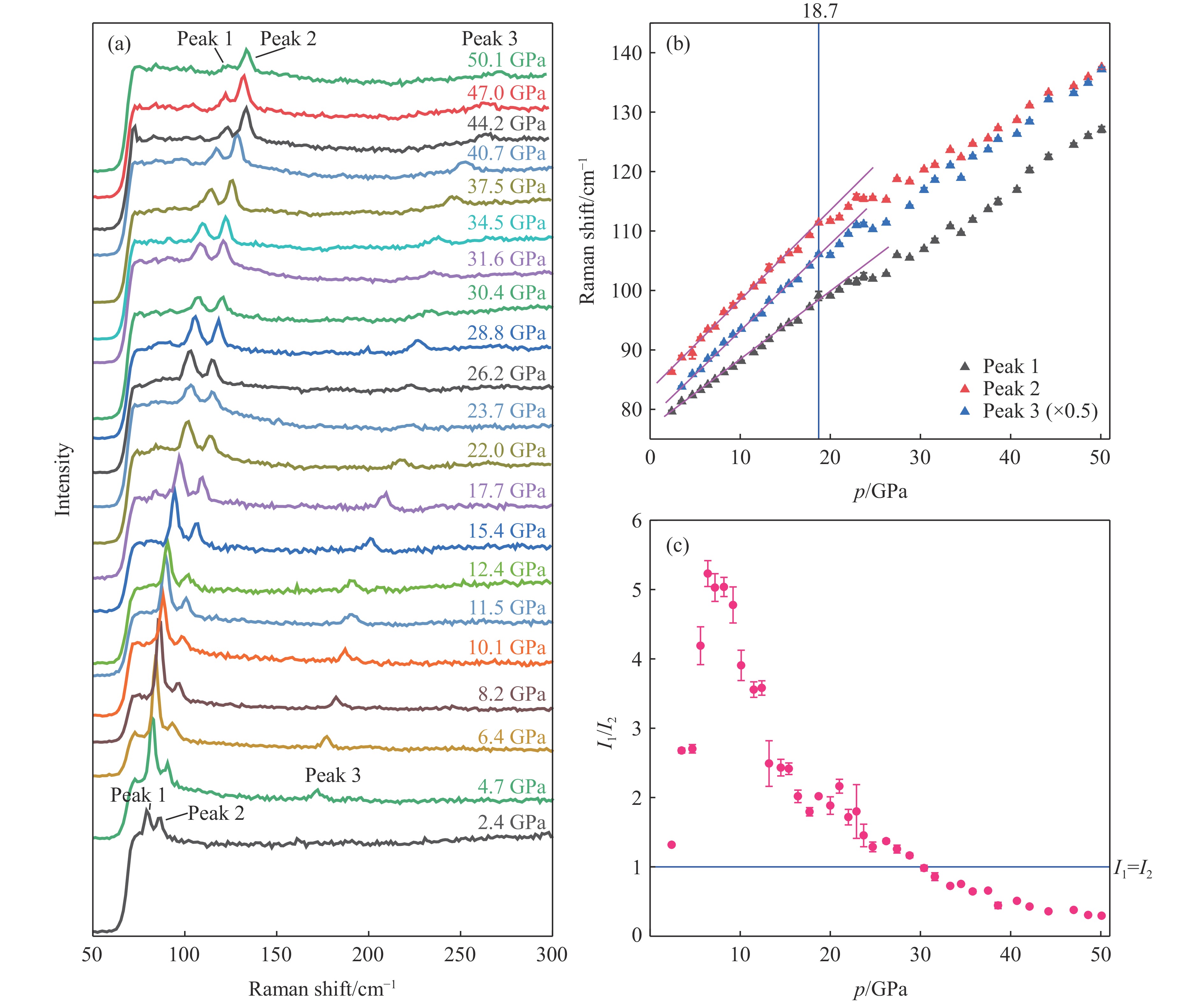
In this work, we performed systematic high-pressure electrical transport and Raman spectroscopy measurements on the topological semimetal YbMnBi2. The transport results reveal a pronounced evolution of the resistivity-temperature behavior with increasing pressure. A negative magnetoresistance emerges above 16.8 GPa, and a clear anomalous Hall effect characterized by a hysteretic Hall resistivity loop is observed at higher pressures around 30.1 GPa. These transport anomalies, together with the continuous evolution of the Raman spectra in the corresponding pressure range, indicate the formation of a pressure-induced magnetic ordered state with a net magnetic moment component. By systematically analyzing the pressure-dependent evolution of the resistivity-temperature characteristics, magnetoresistance behavior, and Hall effect, this work demonstrates the cooperative tuning of magnetic ordering and topological electronic states in YbMnBi2 under pressure. Our results provide new experimental insight into pressure-controlled magnetic and transport properties in topological semimetals and highlight their potential relevance for spin-related electronic applications.

Structure and Optical Properties of Inorganic Metal Halide Perovskite CsMnCl3 under High Pressure
ZHANG Yinglong, JIA Shufan, DAI Ning, RAHMAN Saqib
2026, 40(6): 061102. doi: 10.11858/gywlxb.20261014
HTML PDF (95)
Abstract:

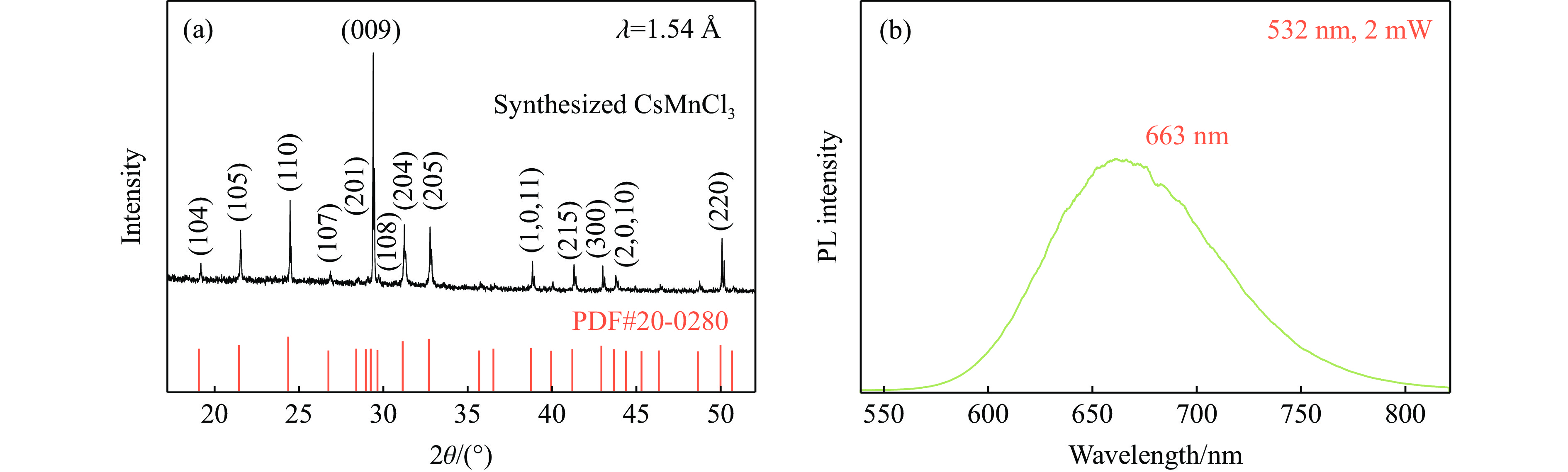
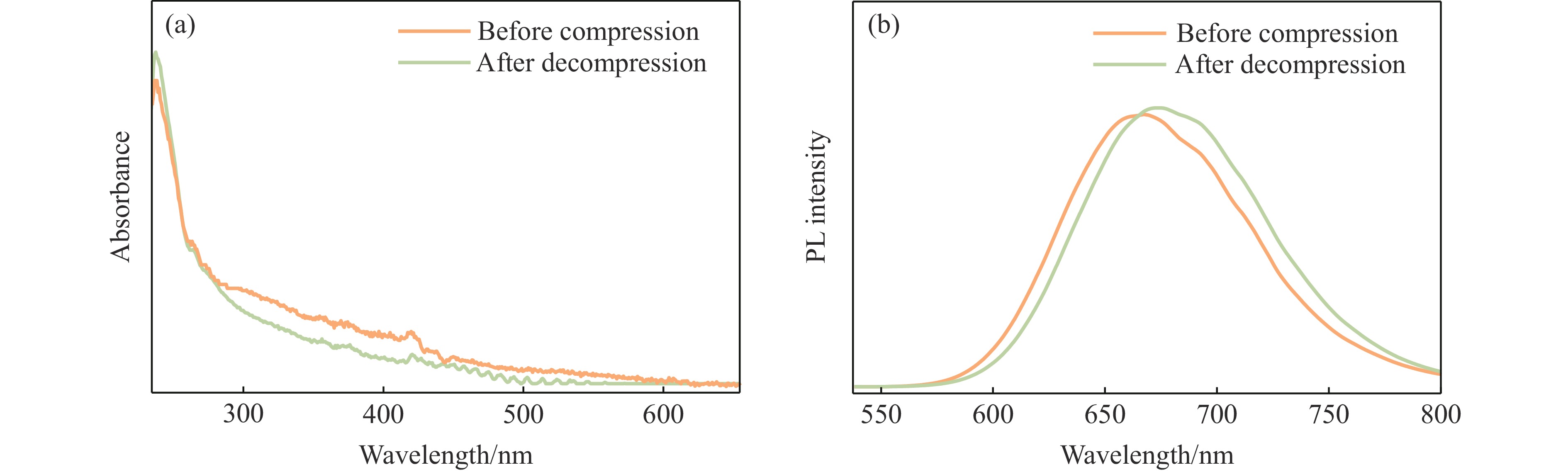
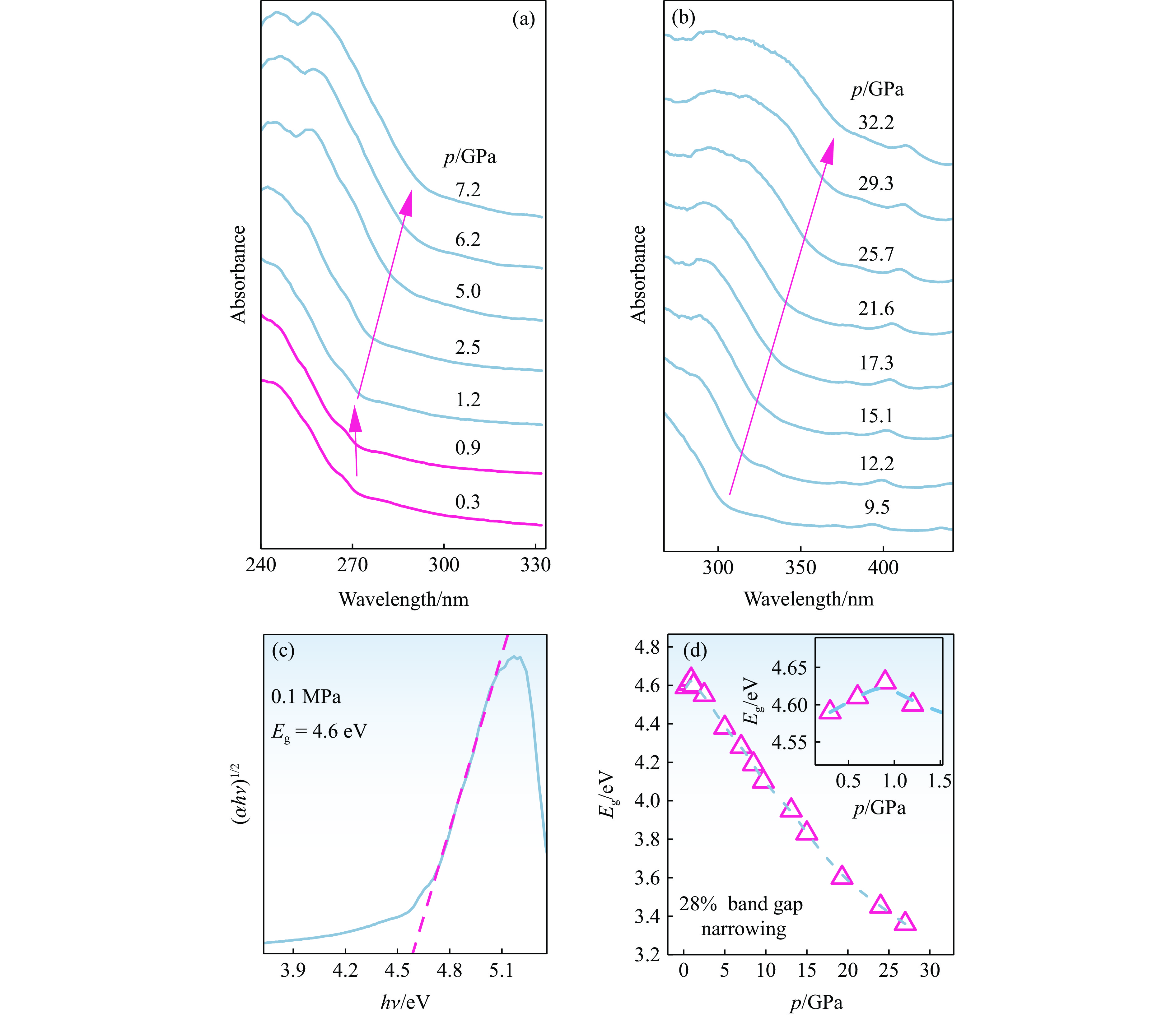
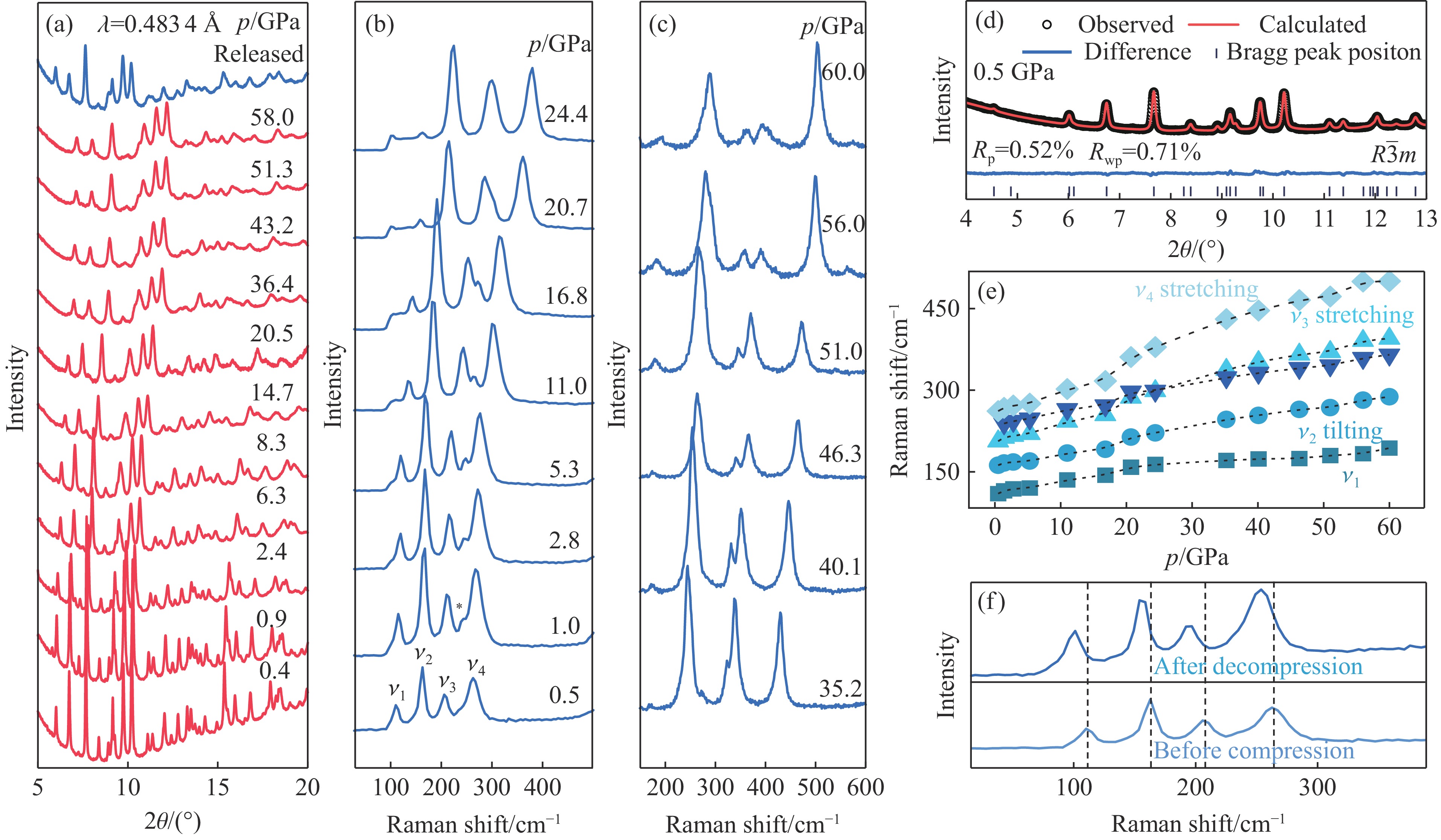
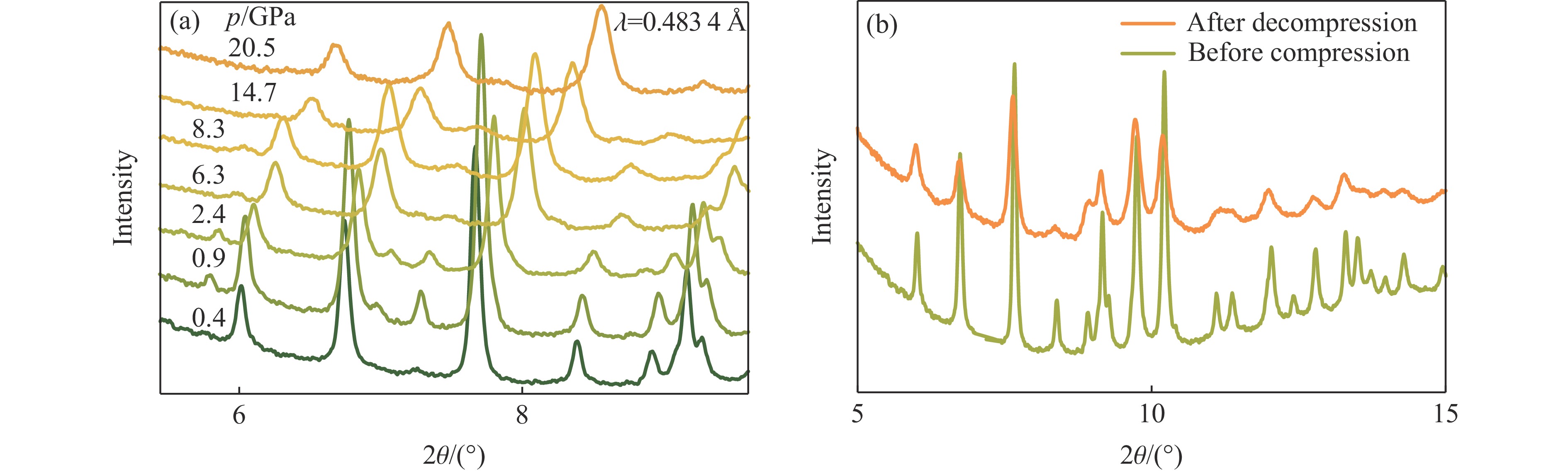
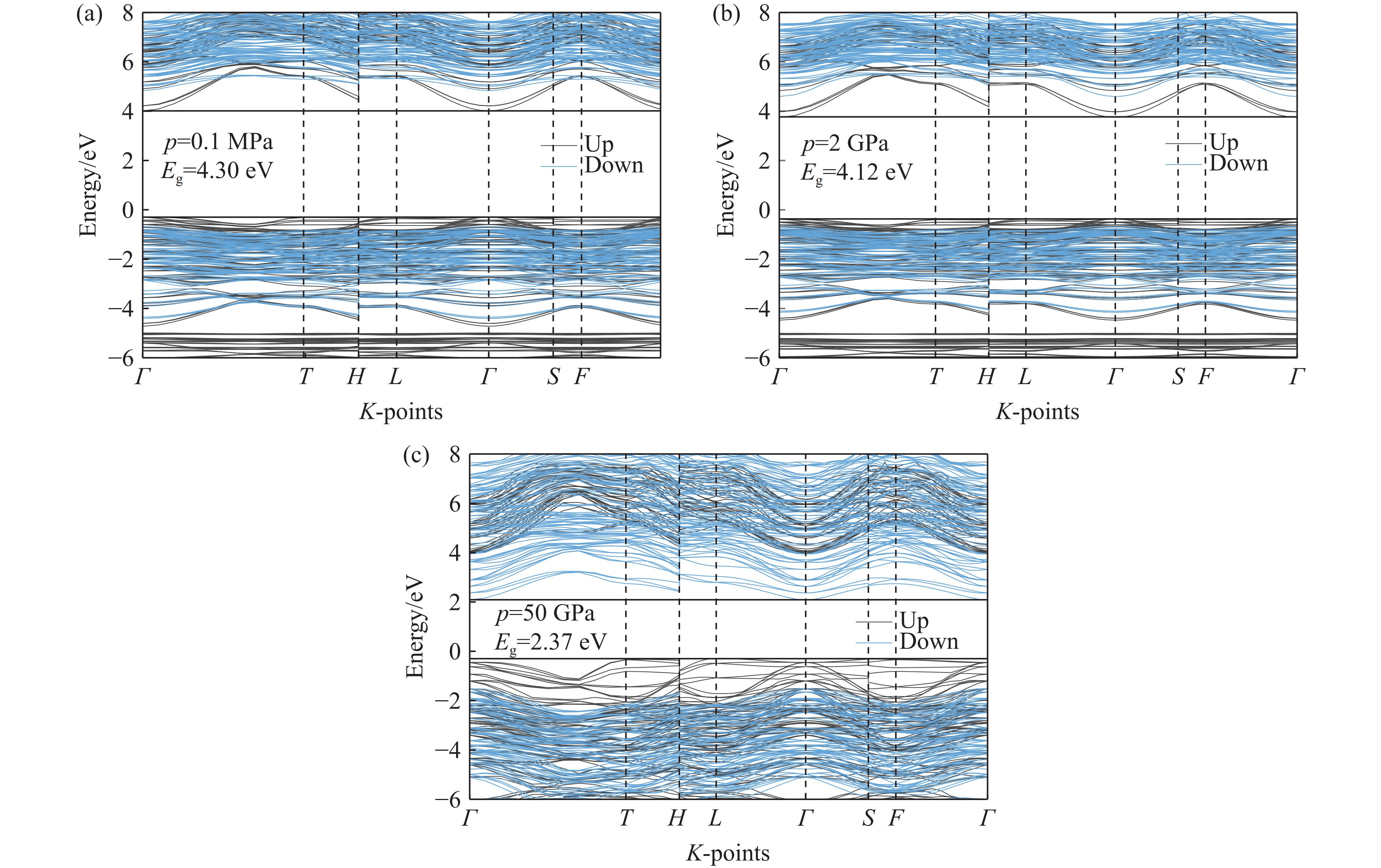
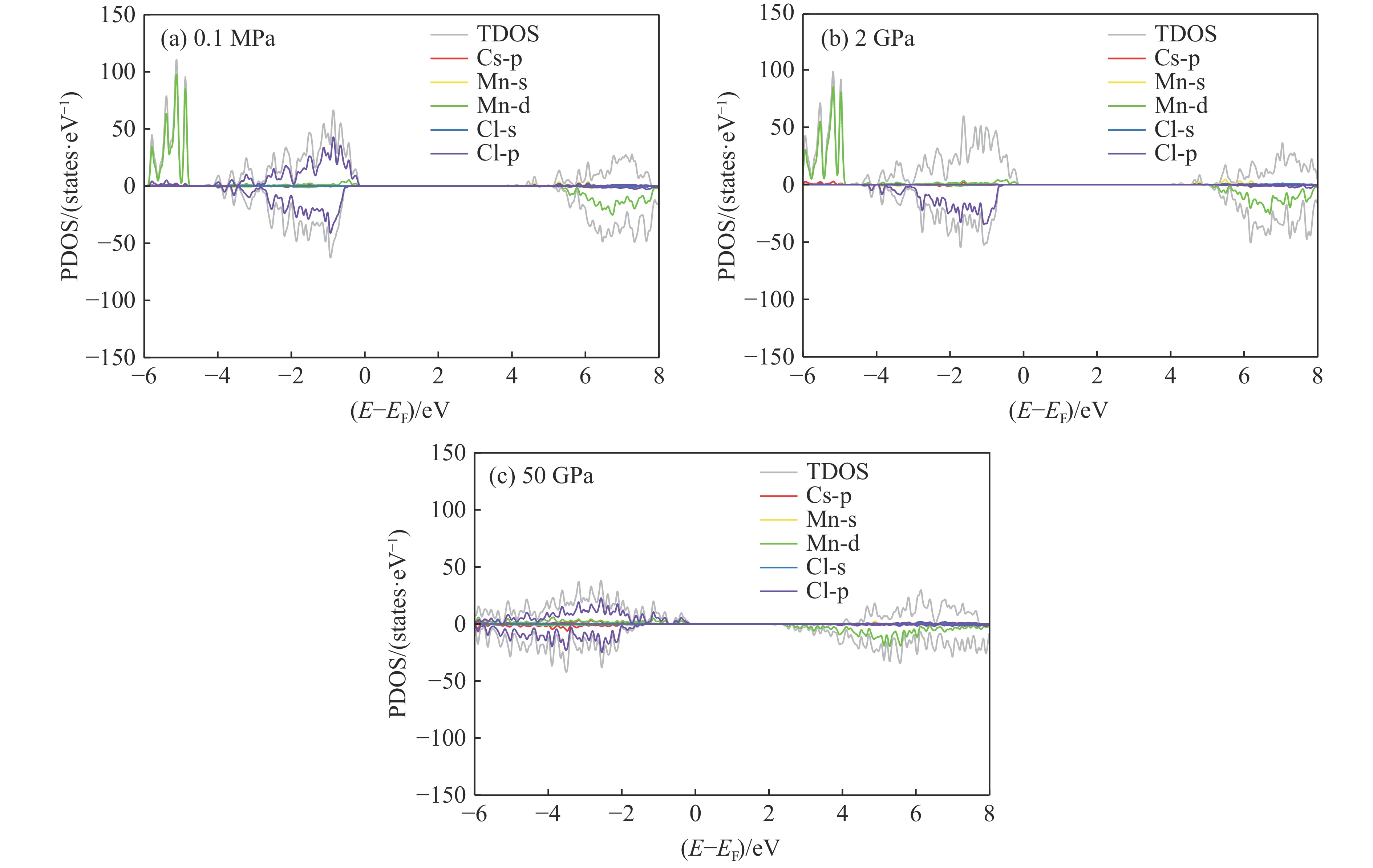
Manganese-based metal halide perovskites have attracted significant attention due to their excellent photoelectric conversion efficiency and low-cost preparation advantages. Among them, cesium manganese chloride (CsMnCl3) has emerged as a promising candidate for spintronics and magnetic applications. Understanding the structure-property relationship of CsMnCl3, particularly its behavior under extreme conditions, is crucial for developing stable and efficient manganese-based perovskite materials and expanding their application scenarios. In this study, we systematically investigated the structural and optical properties of CsMnCl3 using diamond anvil cell (DAC) technology combined with in-situ high-pressure photoluminescence (PL) spectroscopy, absorption spectroscopy, Raman spectroscopy, X-ray diffraction (XRD), and first-principles calculations. At ambient pressure, CsMnCl3 crystallized in the R$ \overline{3} $m space group. During compression, we observed a structural transition at approximately 0.9 GPa, accompanied by a significant enhancement about 8.4 times in the photoluminescence intensity of CsMnCl3. Within the experimental pressure range from 0 to 32.2 GPa, the optical bandgap gradually decreases by about 28% with increasing pressure. Our findings provide theoretical support and experimental evidence for optimizing the high-pressure stability of manganese-based perovskite materials and expanding their functional applications under extreme conditions. Additionally, the fundamental understanding of metal halide perovskites under high pressure is enriched.

High Pressure Technology and Material Synthesis
High-Pressure Metathesis Synthesis and Physical Property Characterization of Cubic Fluorite-Structured CeO2Cl0.07
KOU Xingjian, LIU Jingyi, WANG Yangbin, LEI Li
2026, 40(6): 063101. doi: 10.11858/gywlxb.20251286
HTML PDF (79)
Abstract:

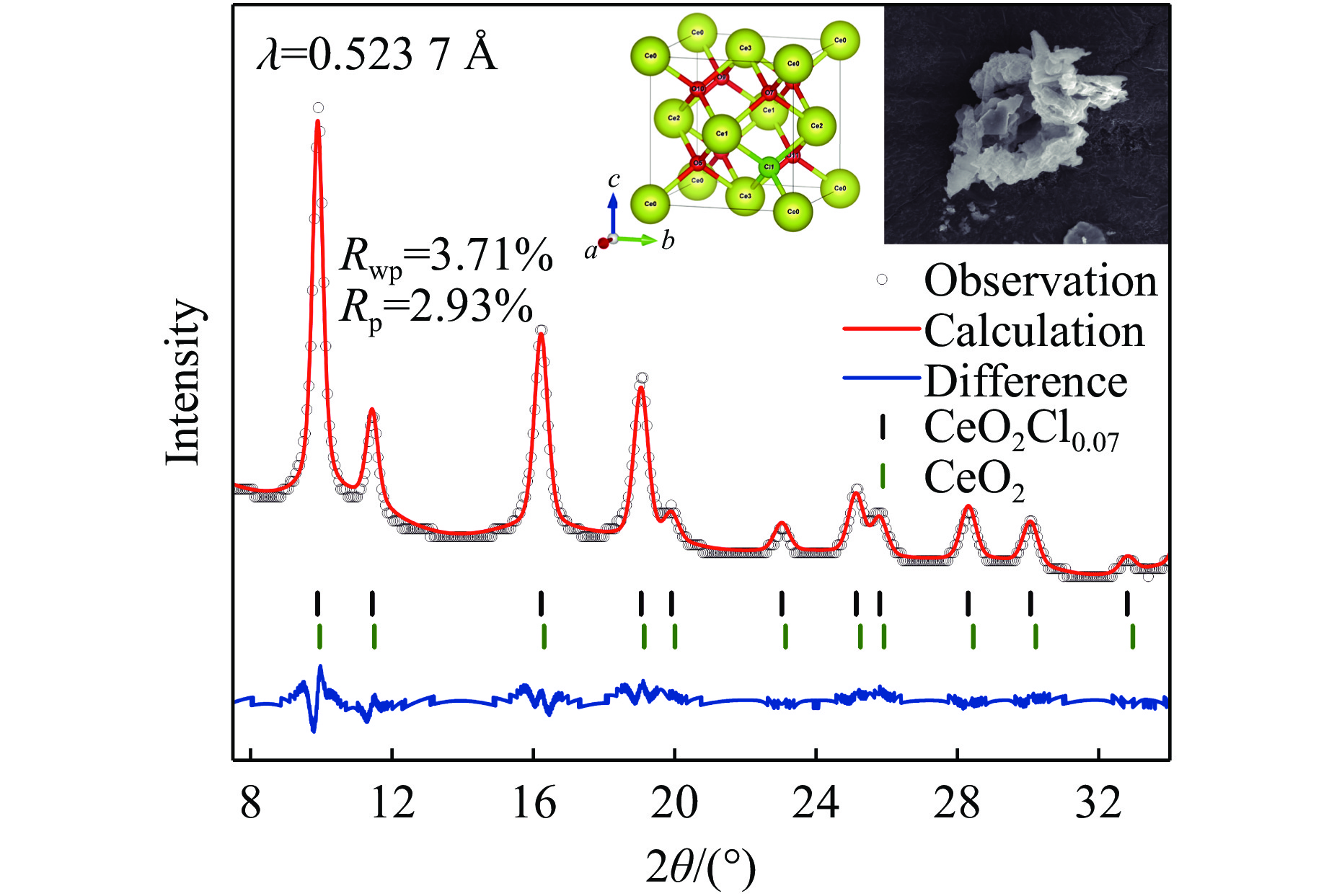
The 4f electron of Ce has long attracted extensive attention due to their unique delocalization mechanism and their influence on atomic structure, phase transformation behavior, and magnetic structure. In this paper, CeO2Cl0.07 was synthesized with a cubic fluorite structure by changing the stoichiometry of the precursors (CeCl3, MgO powder) and regulating the high-pressure solid-state metathesis (HSM) reaction under high temperature and high pressure conditions (1873 K, 5 GPa) provided by a large volume press. Then pressure was provided by a diamond anvil cell (DAC), and the sample was characterized by high-pressure in-situ synchrotron X-ray diffraction (XRD), scanning electron microscope (SEM), energy dispersive spectrometer (EDS), and high-pressure Raman spectroscopy. By comparing the obtained pressure-volume (p-V) curve with CeO2, it is found that CeO2Cl0.07 is more compressible. The high-pressure Raman phonon spectrum (F2g) is obtained, indicating that the pressure-dependent behavior of CeO2Cl0.07 exhibits anomalous changes at 0–2 GPa and near 15 GPa under non-hydrostatic pressure. We believe that the doping of Cl elements introduces oxygen vacancies, which increases the concentration of Ce3+, thereby causing the delocalization of 4f electron and resulting in the observed phenomenon. This study developed a new high-pressure synthesis pathway for cerium-based compounds and revealed their behavior under high-pressure conditions.

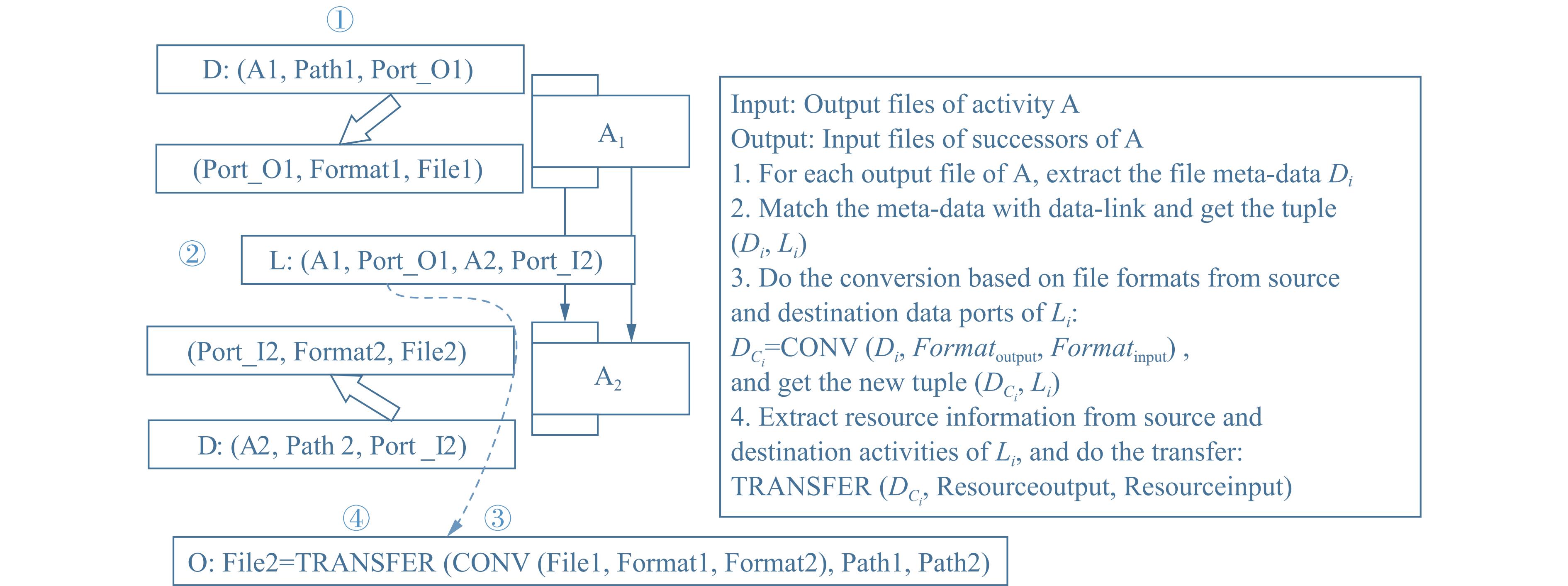
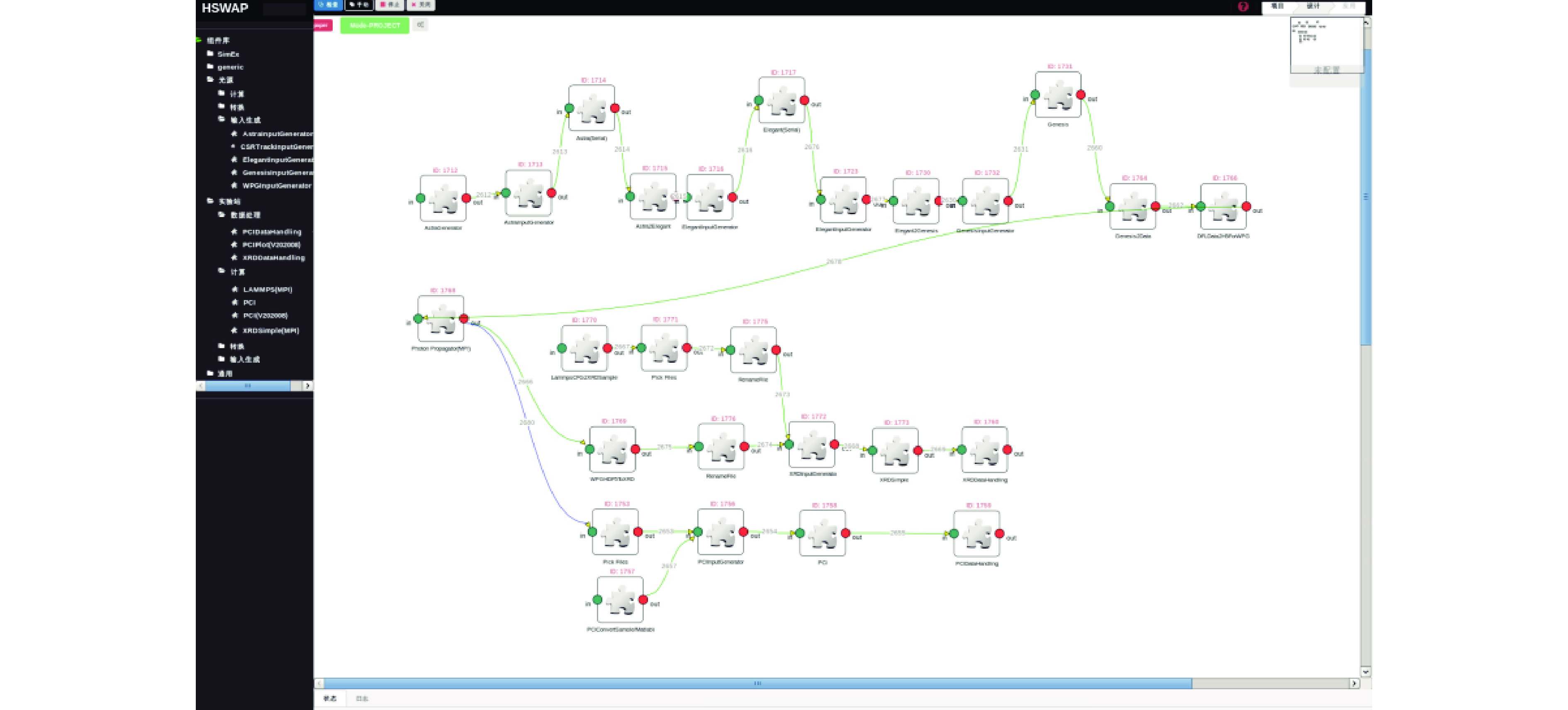
Preliminary XFEL Experimental Simulation Platform Based on HSWAP Engine
LIU Jin, DUAN Bowen, WEI Tao, KANG Xu, ZHAO Shicao, DU Liangliang, DENG Xiaoliang, LI Xiaoya
2026, 40(6): 063401. doi: 10.11858/gywlxb.20251155
HTML PDF (53)
Abstract:

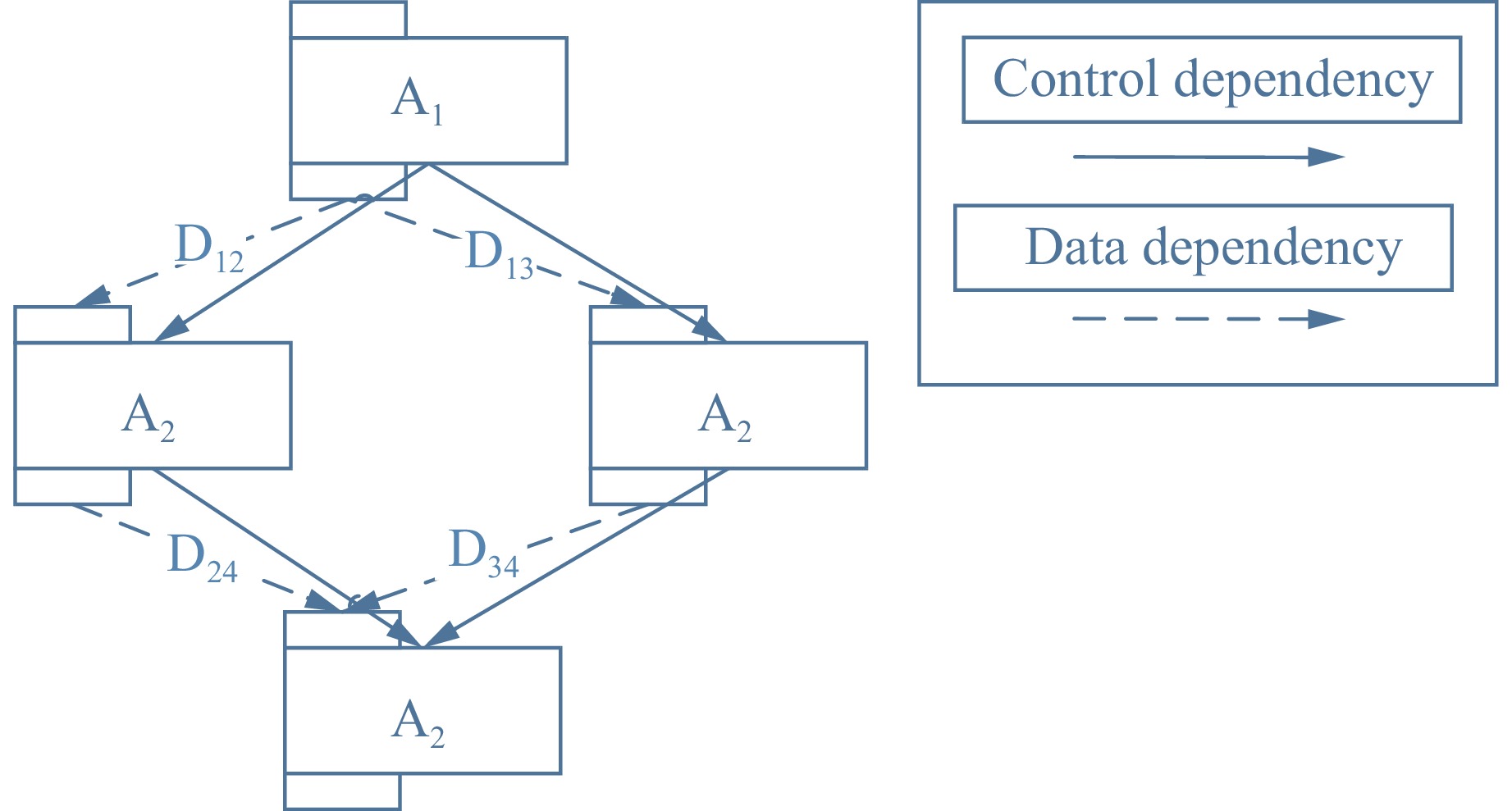
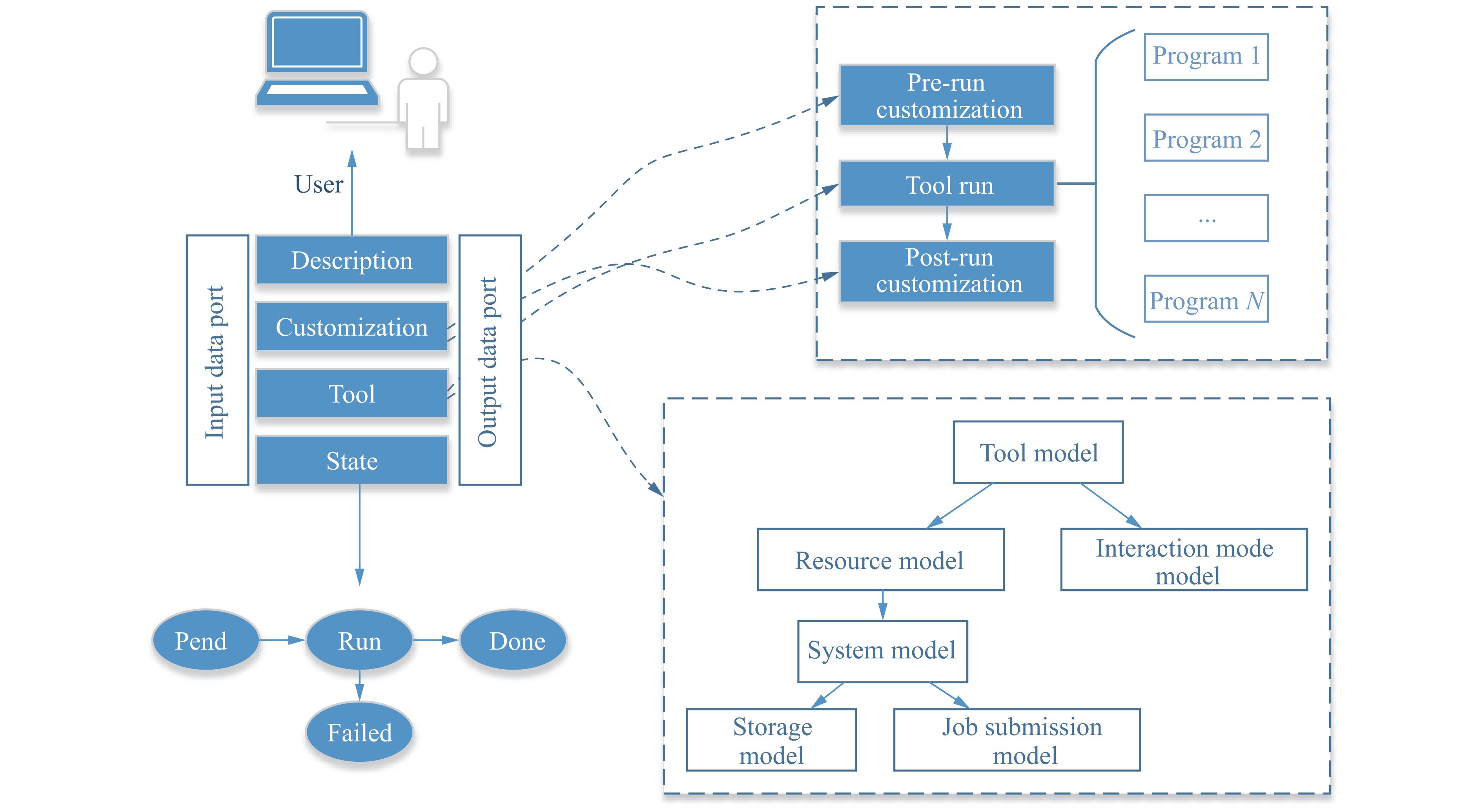
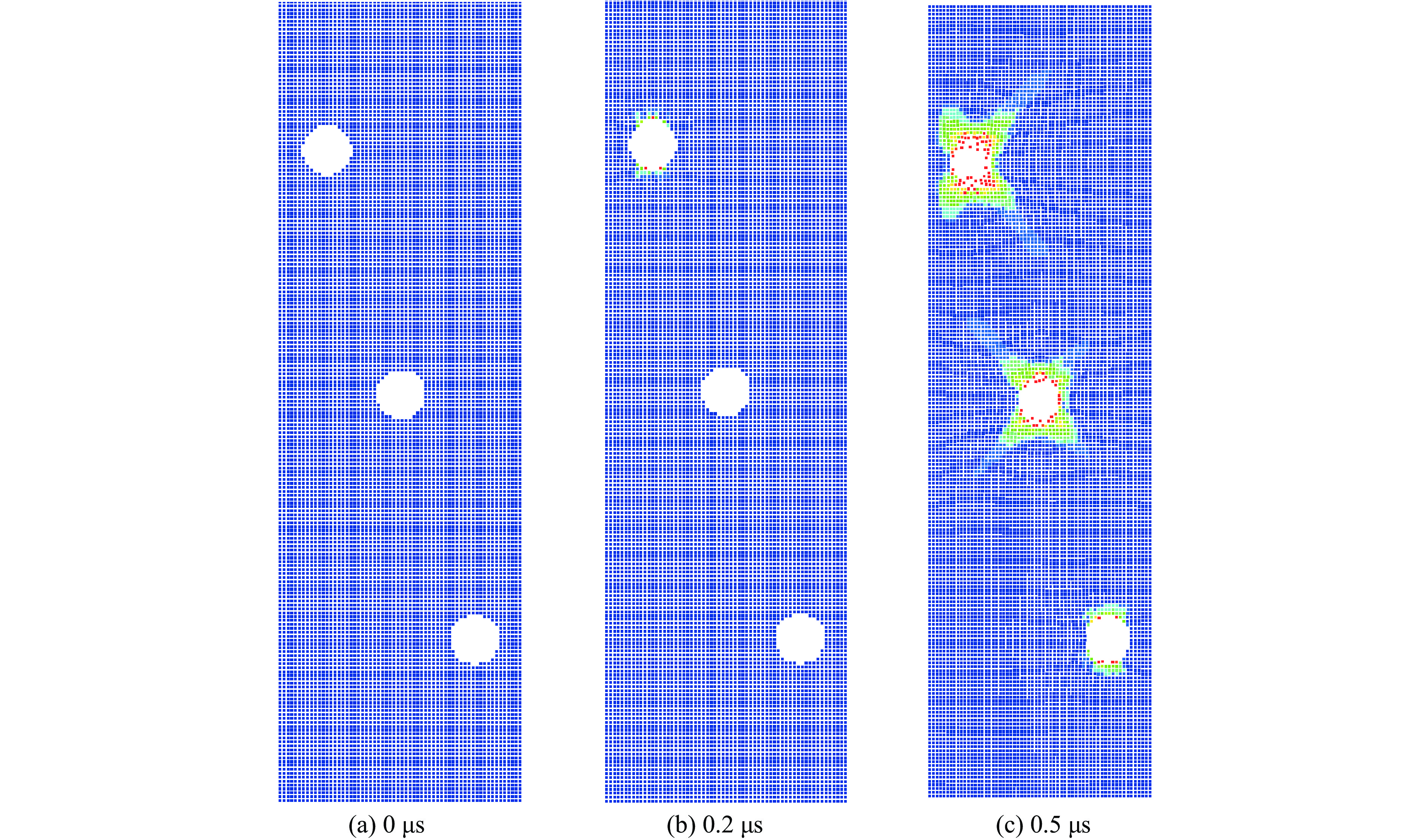
X-ray free electron laser (XFEL) plays a critical role in diagnosing dynamic compression processes in micro- and meso-scale materials. To deepen our understanding of XFEL physics and optimize facility design, a preliminary XFEL experimental simulation platform was developed based on the high-performance computing (HPC) simulation workflow application platform (HSWAP). HSWAP provides workflow, component, and data linkage models for XFEL experiments, enabling flexible simulation of diverse processes through modular configurations. This platform was employed to investigate X-ray diffraction (XRD) of microscale materials and phase contrast imaging (PCI) of meso-scale explosive samples. Simulation results for XRD of a metallic sample under shock loading and PCI of voids in explosive materials demonstrate the platform’s ability to accurately reproduce experimental dynamics. By integrating numerical models with data analysis, the platform enhances the design of XFEL experiments and provides a foundation for interpreting diagnostic capabilities in ultrafast processes. Future work will focus on refining simulation methods for meso-scale samples using phase-field approaches and high-Z materials under shock conditions.

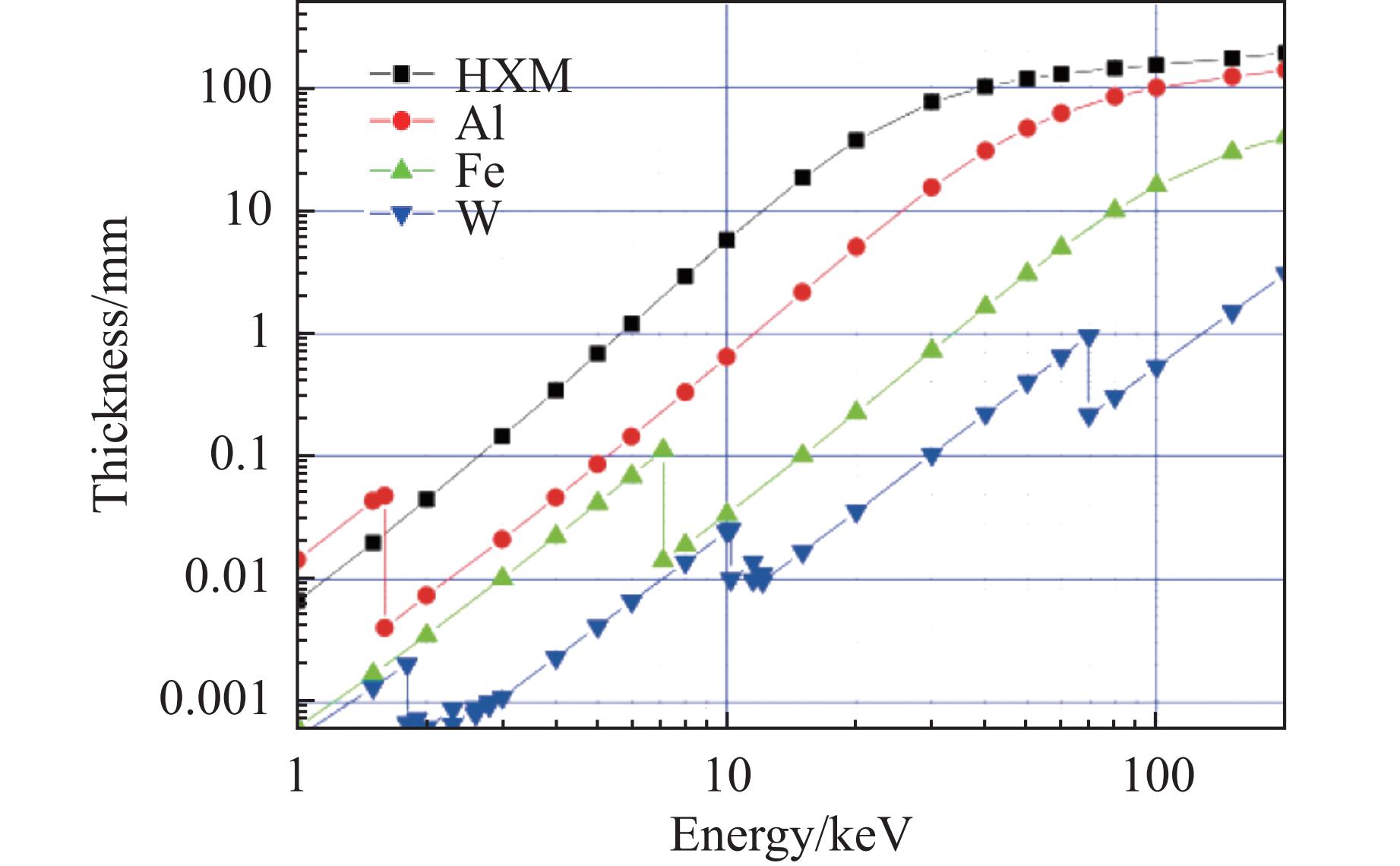
Simulation Study on Hard X-Ray Detection Efficiency for Microchannel Plate
YANG Jing, SHAN Lianqiang
2026, 40(6): 063402. doi: 10.11858/gywlxb.20251193
HTML PDF (56)
Abstract:

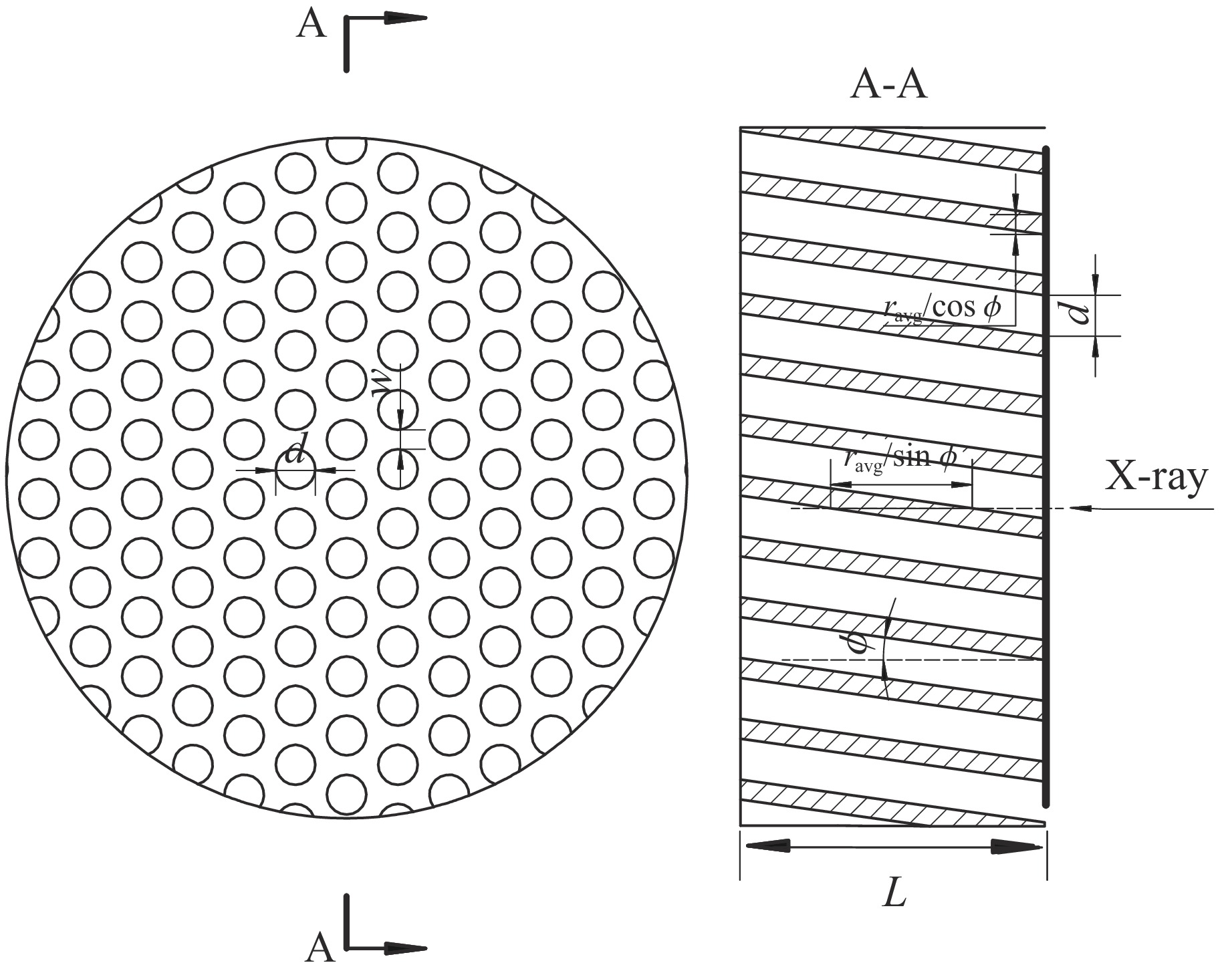
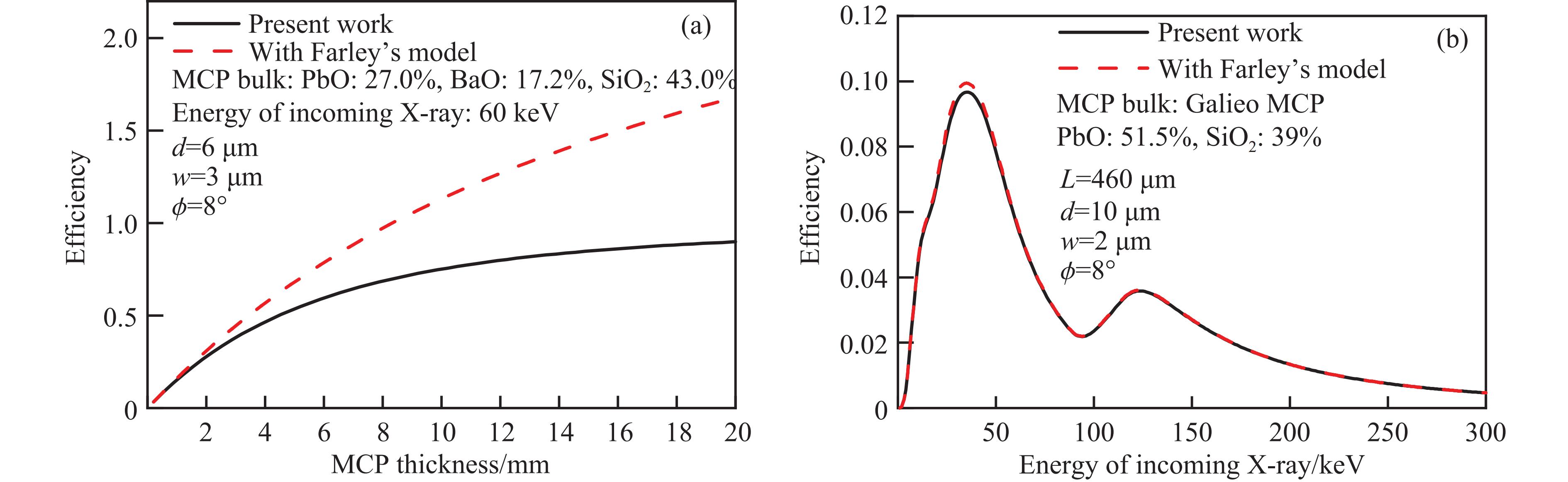
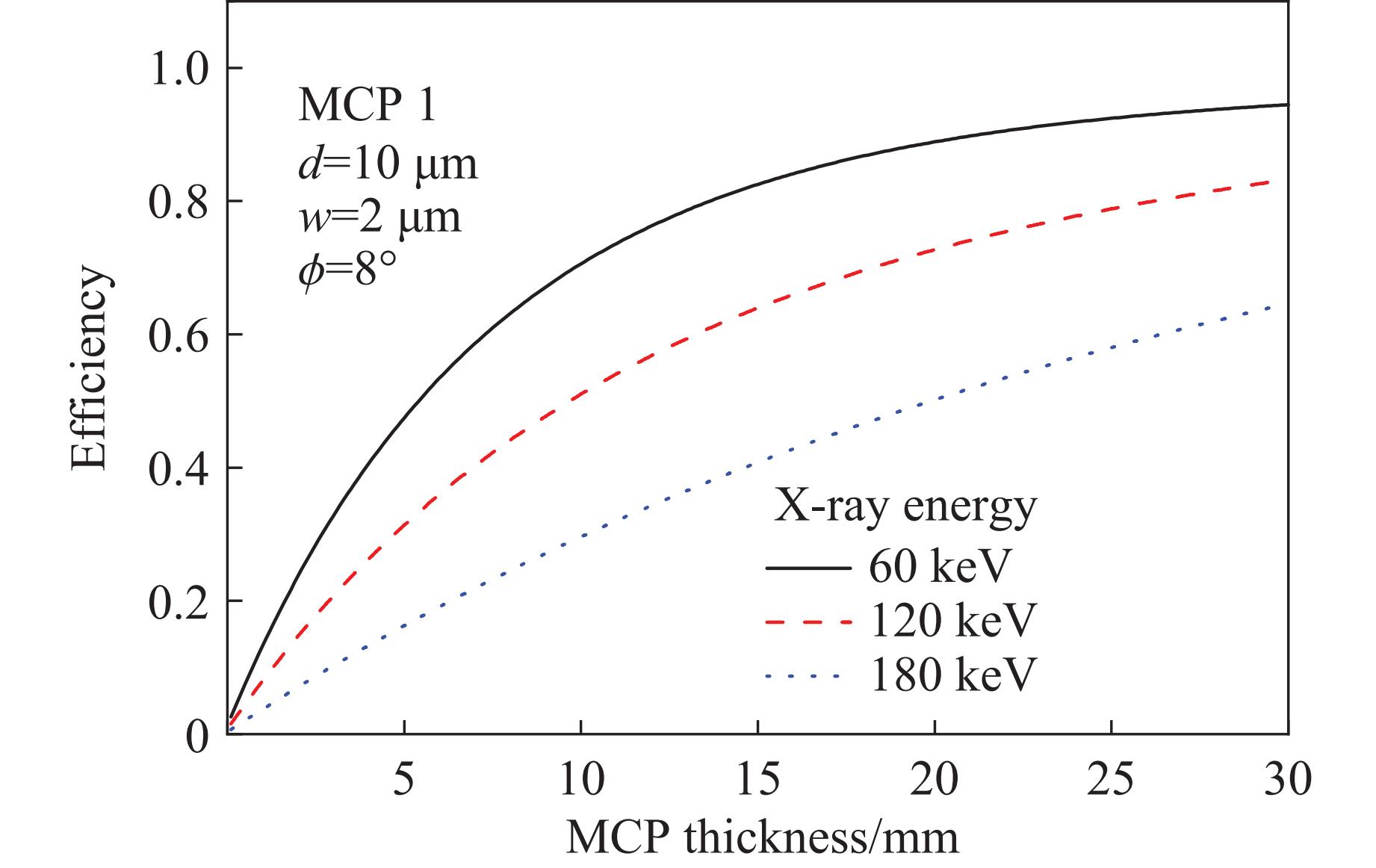
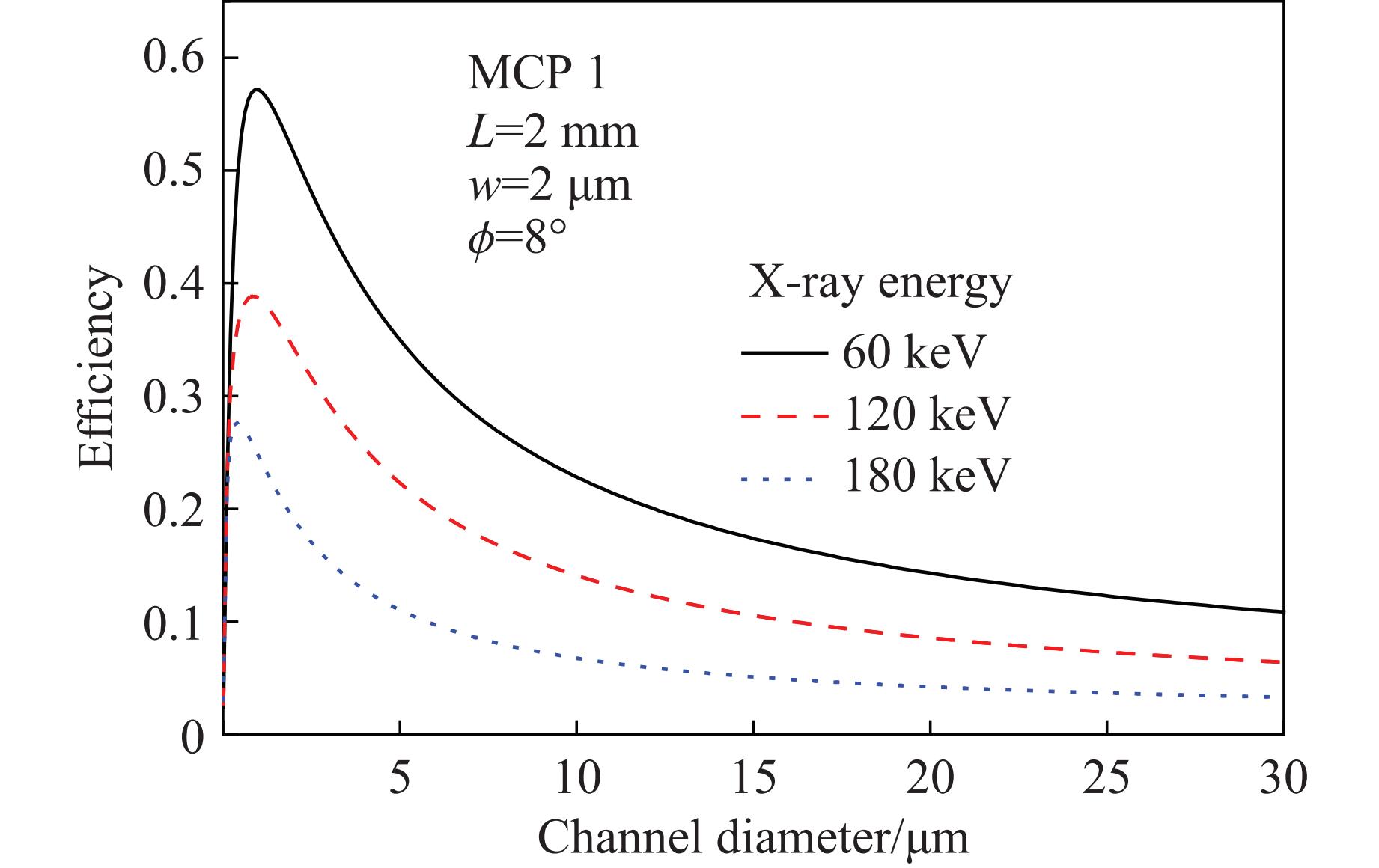
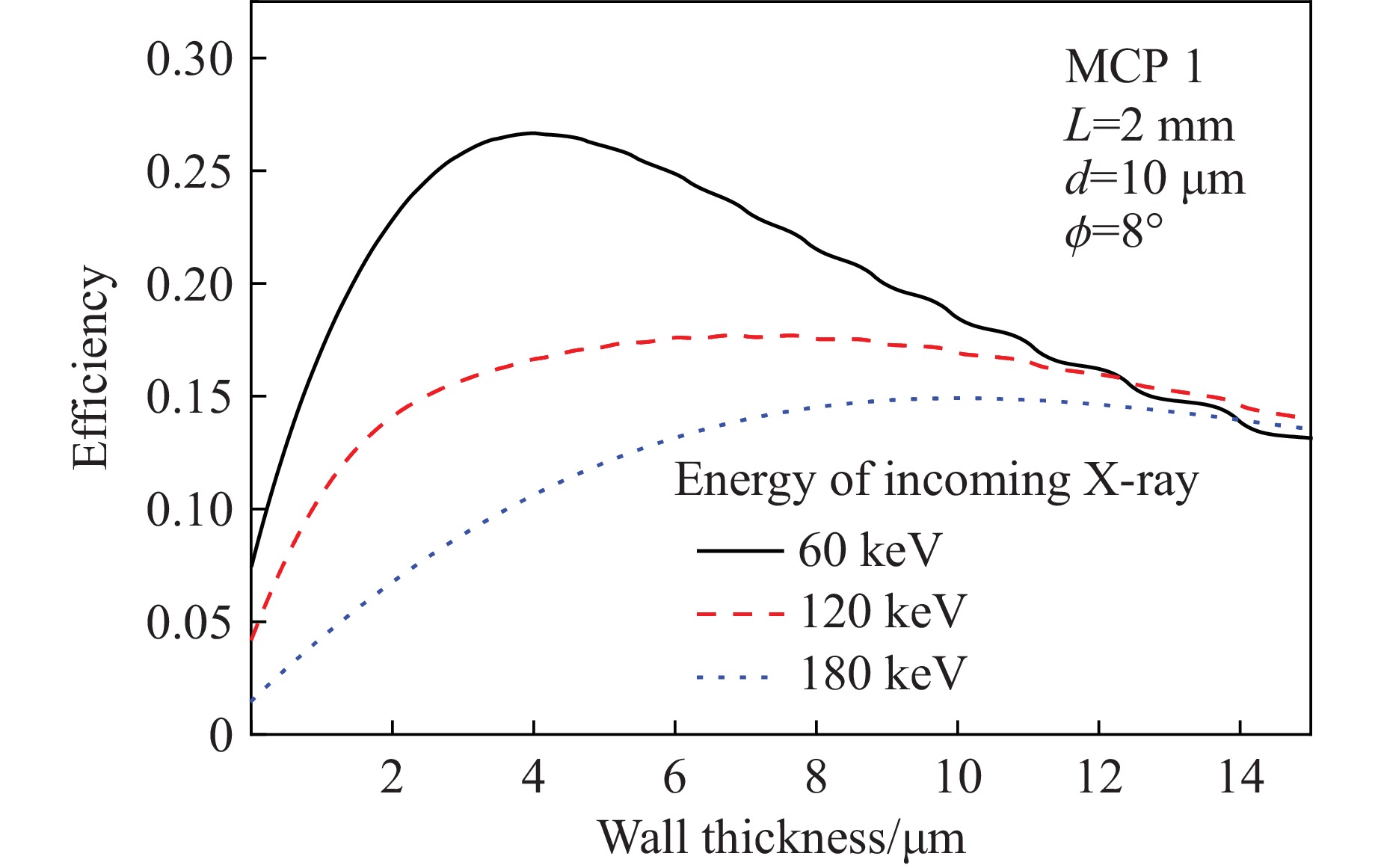
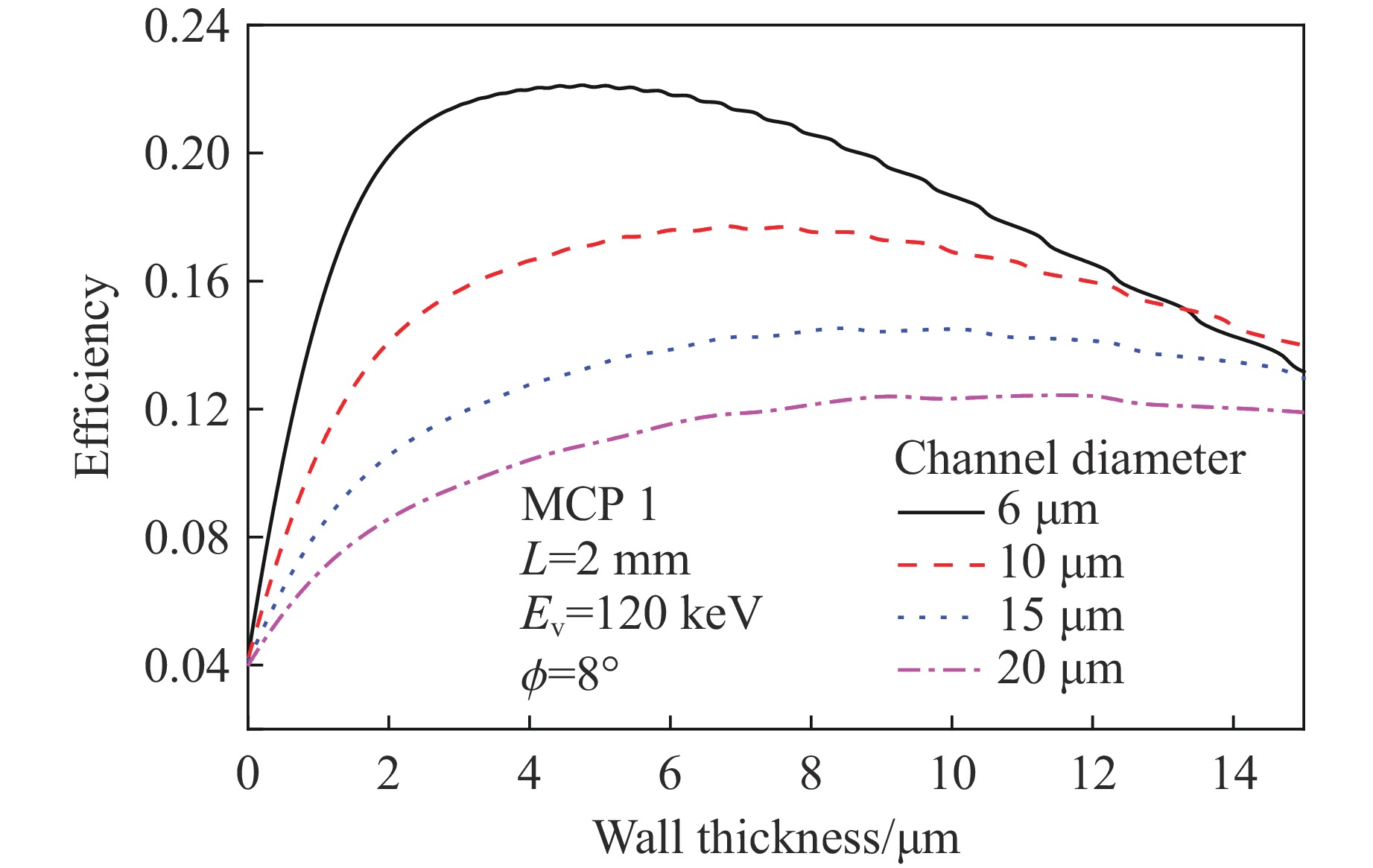
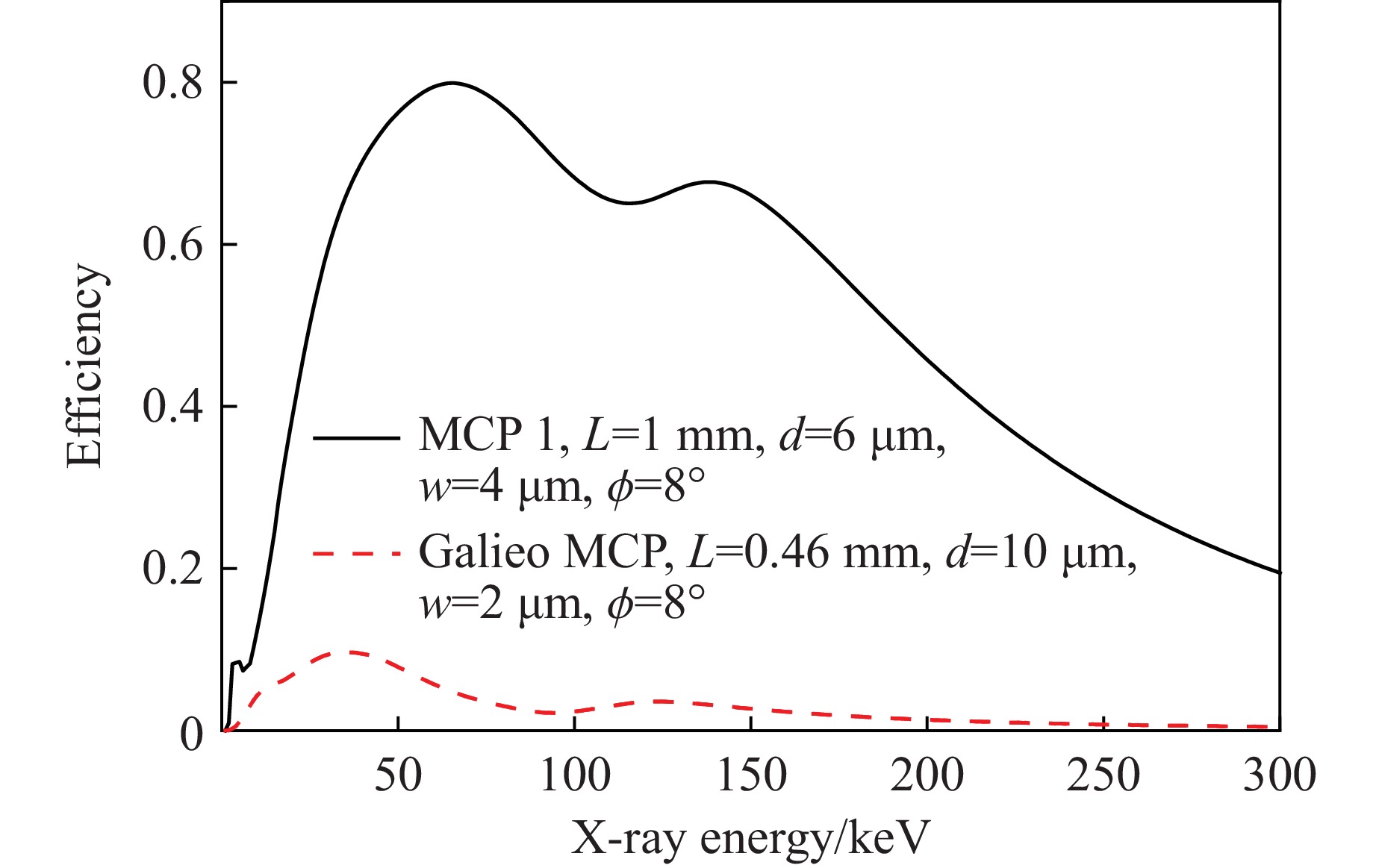
An optimized influence model of the microchannel plate on the response efficiency of hard X-rays was developed to improve the detection efficiency of hard X-rays. This model incorporates relevant material and structural parameters of the MCP, and further accounts for the crosstalk effects among atomic shells of the substrate material. Based on this model, the influence of key parameters—including substrate material, channel diameter, inter-channel wall thickness, and overall plate thickness—on the detection efficiency was analyzed. Considering current technological constraints, optimal values for these parameters and the corresponding detection efficiency were determined. The results indicate that the detection efficiency for hard X-rays in the 50–200 keV energy range can exceed 45%.

Dynamic Response of Matter
Analysis of High-Strain-Rate Deformation Induced Degradation of Critical Properties in Nb3Sn Superconductors
JIAN Changxu, DU Qiaoyi, DING He, XIAO Gesheng, LIU Zhifang, QIAO Li
2026, 40(6): 064201. doi: 10.11858/gywlxb.20251200
HTML PDF (94)
Abstract:

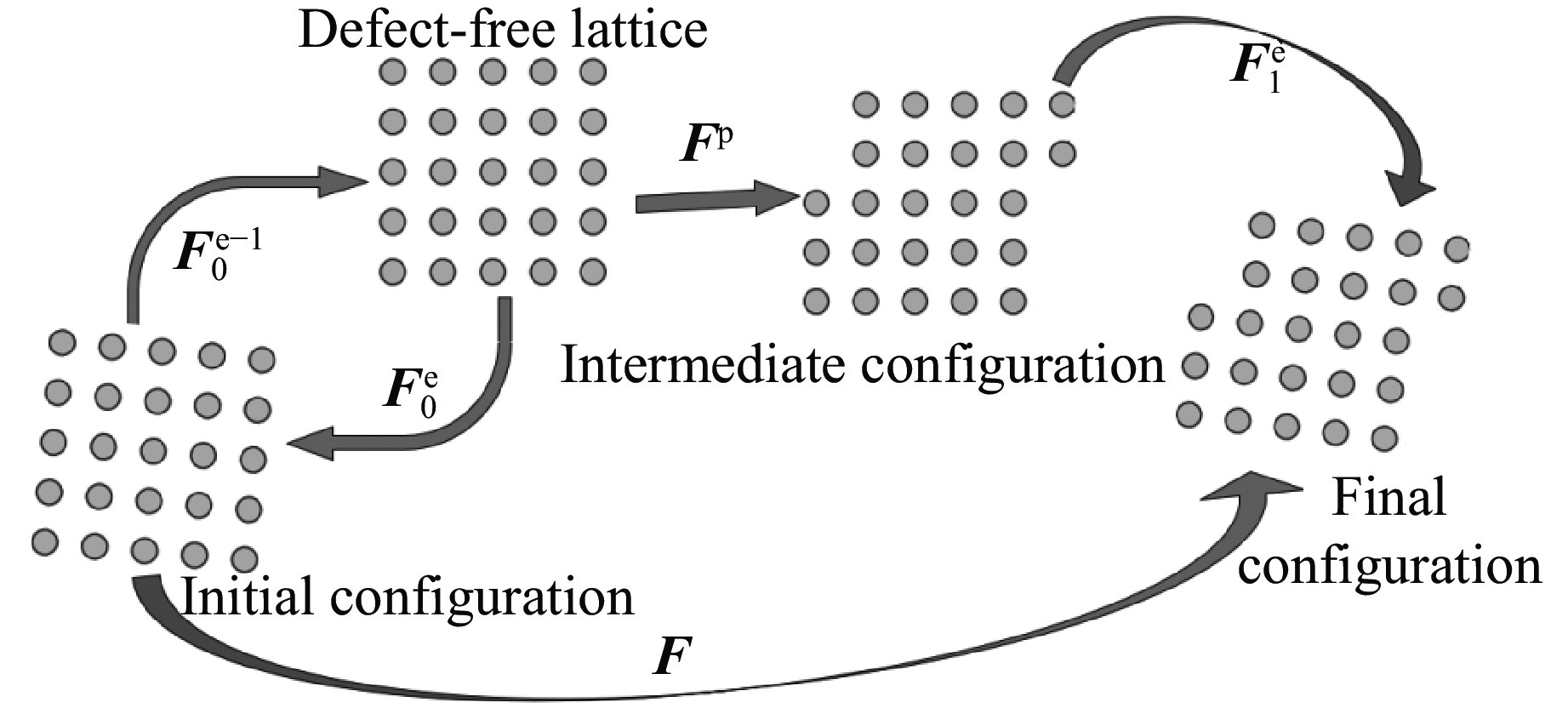
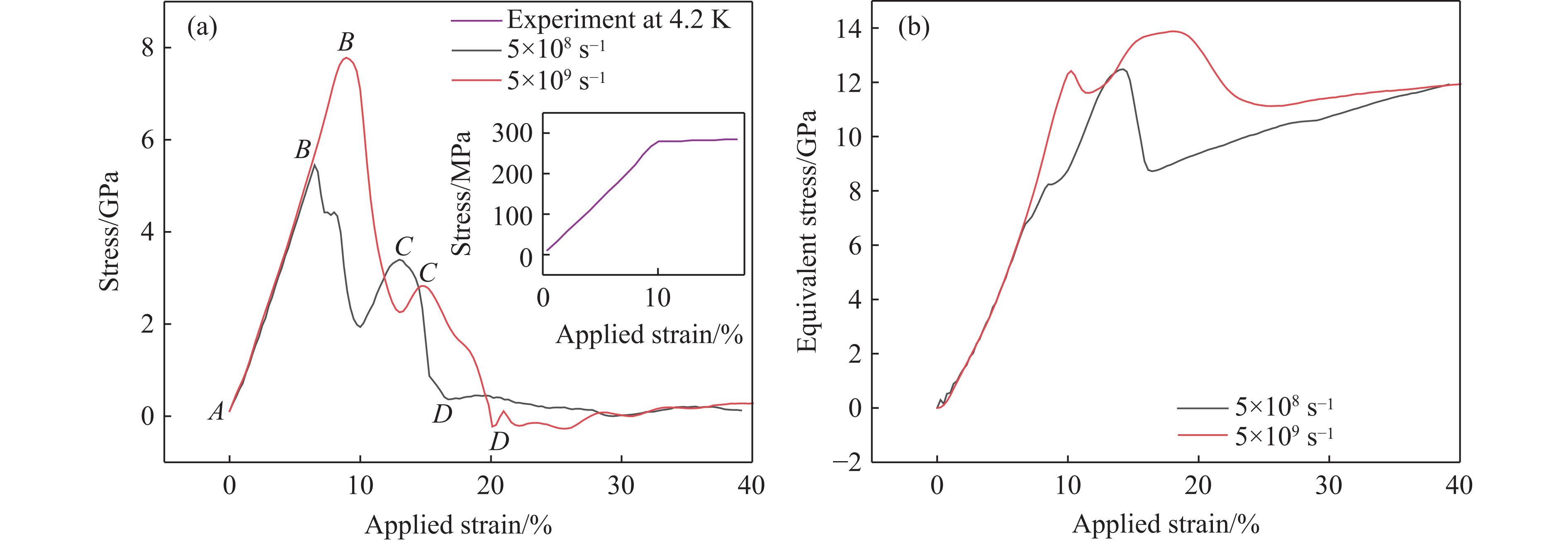
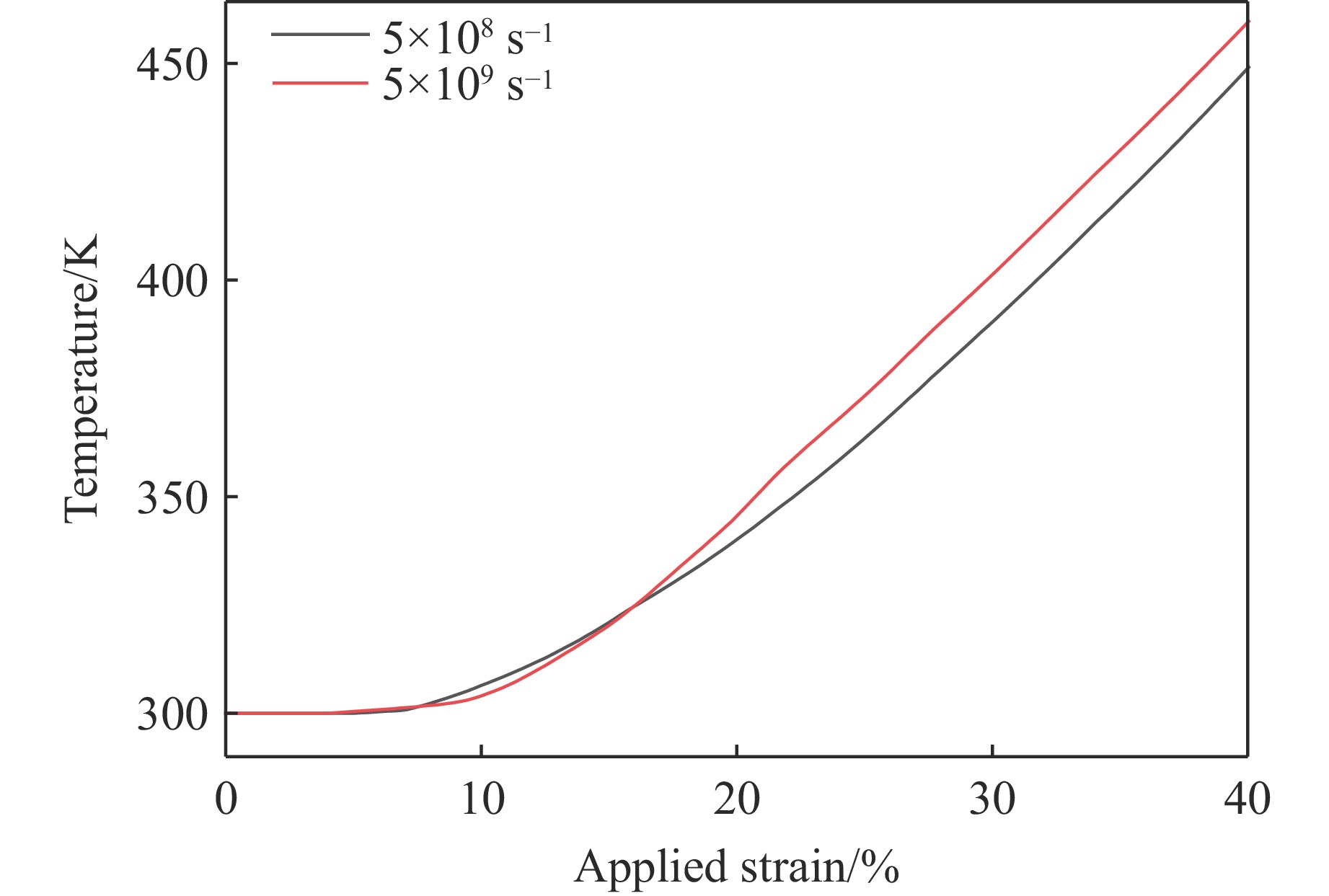
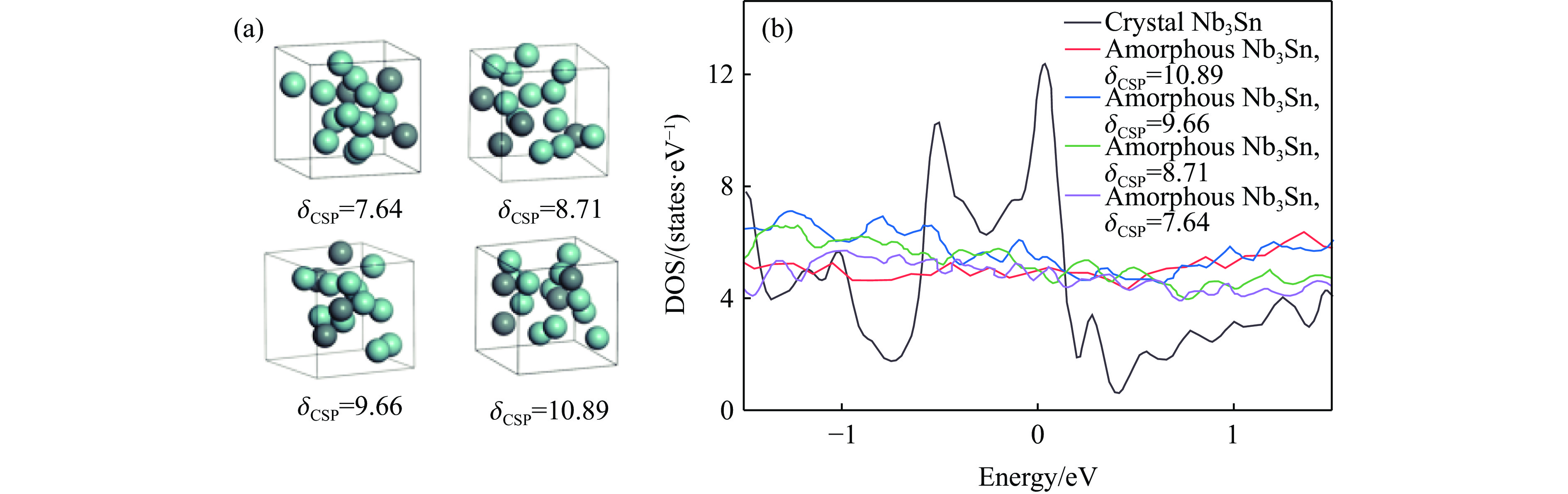
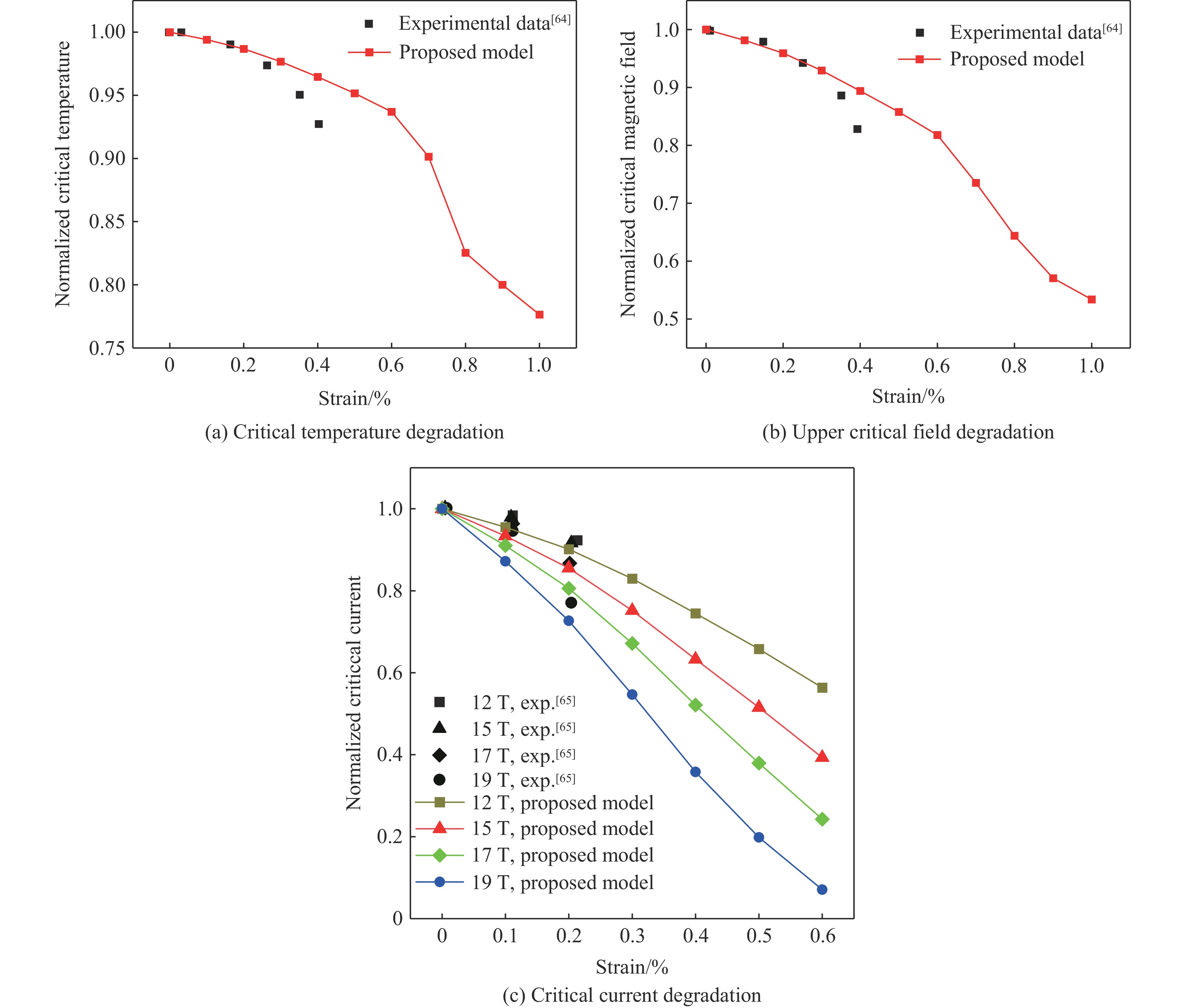
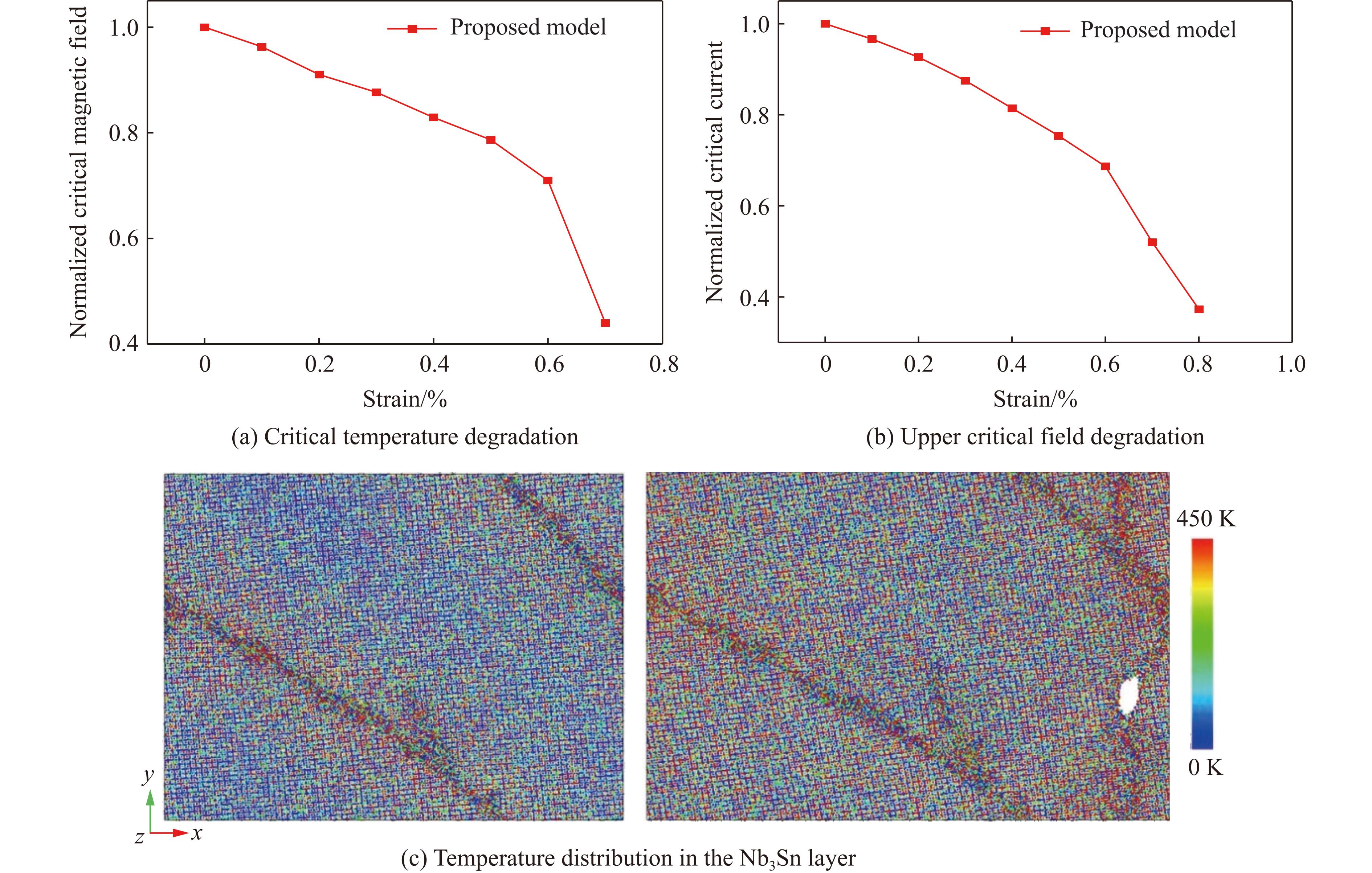
Nb3Sn superconductors are vital for advanced applications like particle accelerators and fusion devices, yet their performance degrades irreversibly under the high-strain-rate dynamic loads encountered during quench or fast excitation. This study integrates molecular dynamics simulations, continuum mechanics, and density functional theory to unravel the underlying multiphysics coupling mechanisms. We probe the elastoplastic response, adiabatic heating from plastic work, and damage evolution in Nb3Sn composites under high-strain-rate tension. Our analysis reveals that at cryogenic temperatures, the niobium matrix deforms via full-dislocation slip, whereas the brittle Nb3Sn coating fractures. The associated temperature rise, driven by plastic work dissipation and accumulating with strain, synergizes with deformation-induced damage (amorphization and cracking) to severely degrade superconducting properties. These damage mechanisms cause irreversible electronic structure changes, directly impairing super-conductivity. These findings establish a deformation-thermal-damage correlation mechanism, providing a theoretical foundation for the design of resilient superconducting devices.

High Pressure Applications
Effect of Torpedo Guidance Nose on Lethality of Shaped Charge Warhead
FENG Yuheng, LIANG Anqi, LIU Xingyu, YIN Jianping, YI Jianya, ZHANG Xuepeng
2026, 40(6): 065101. doi: 10.11858/gywlxb.20251213
HTML PDF (66)
Abstract:

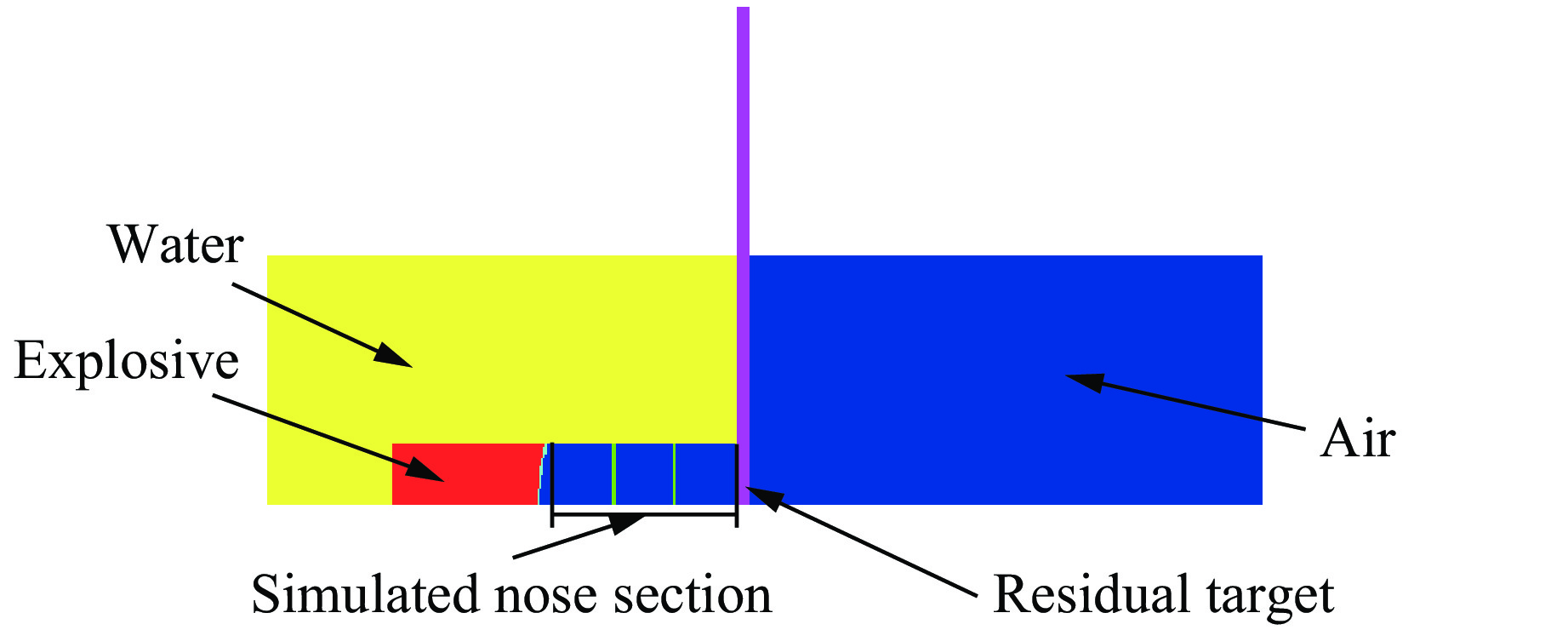
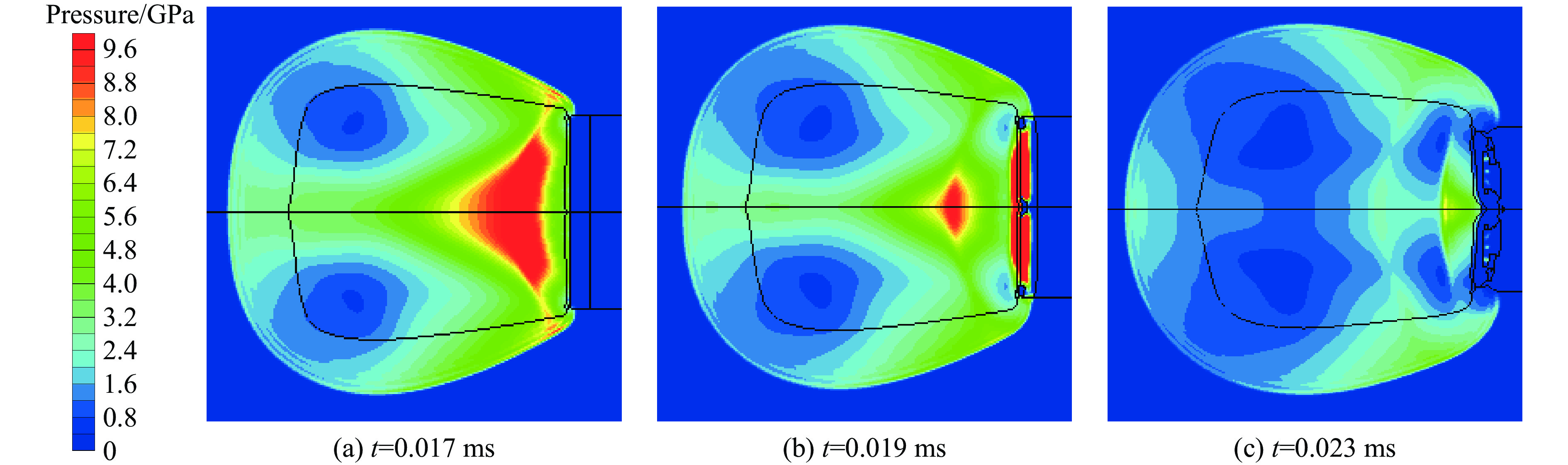
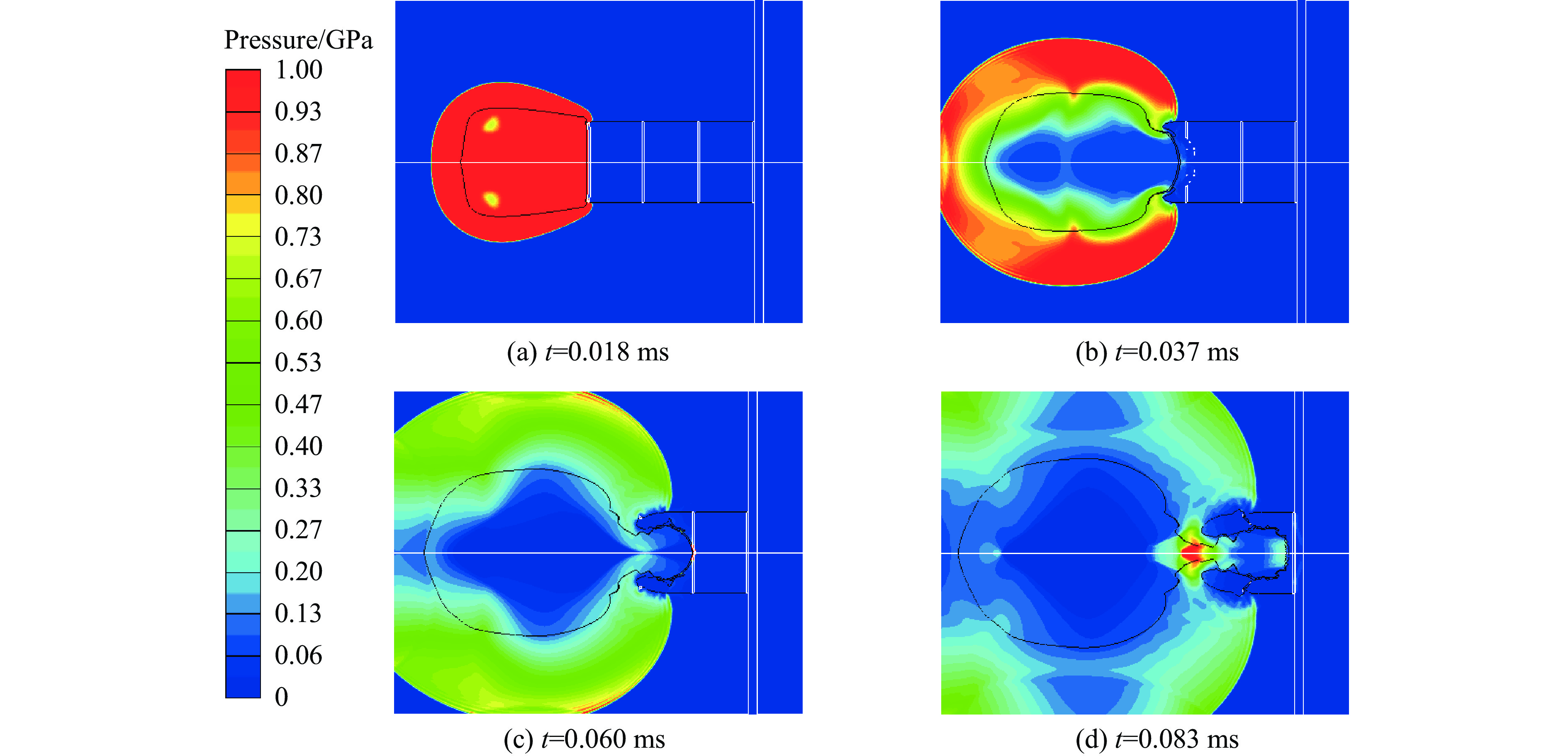
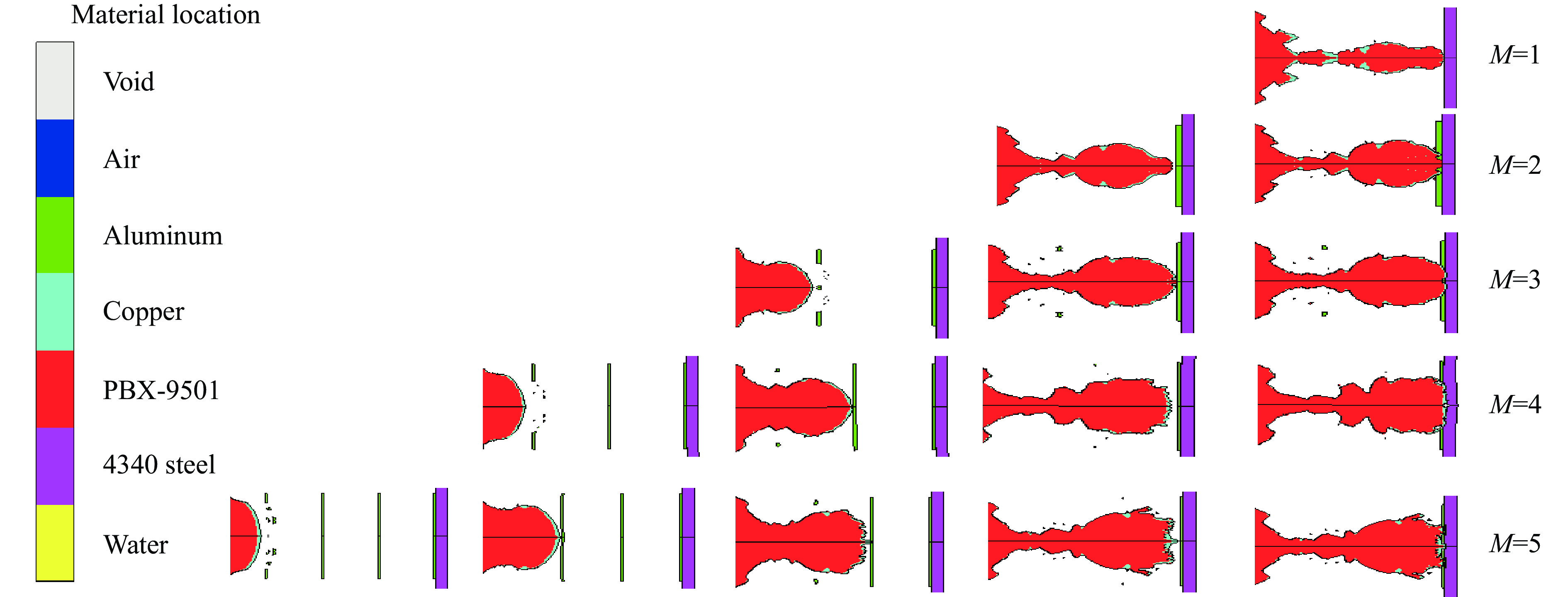
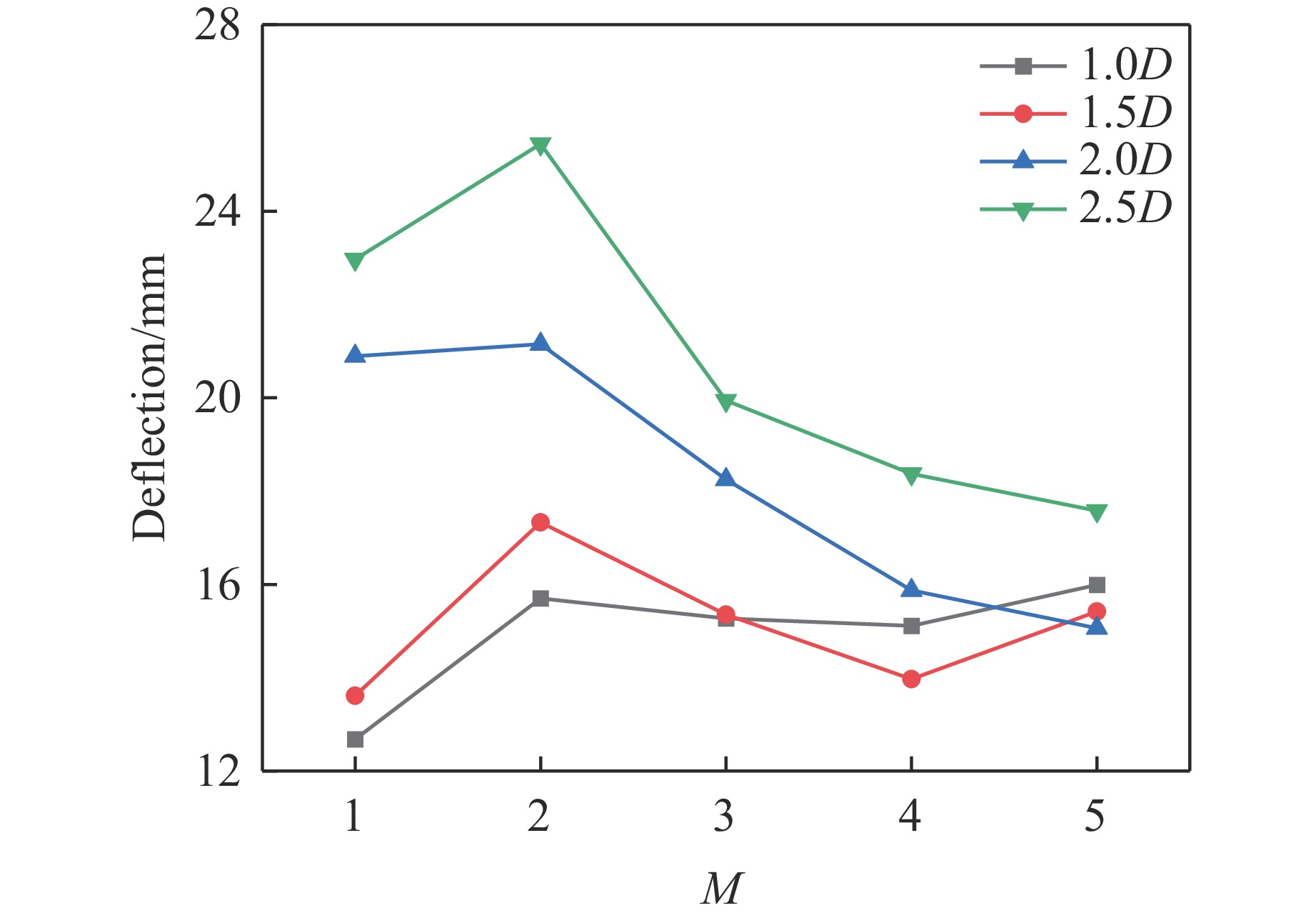
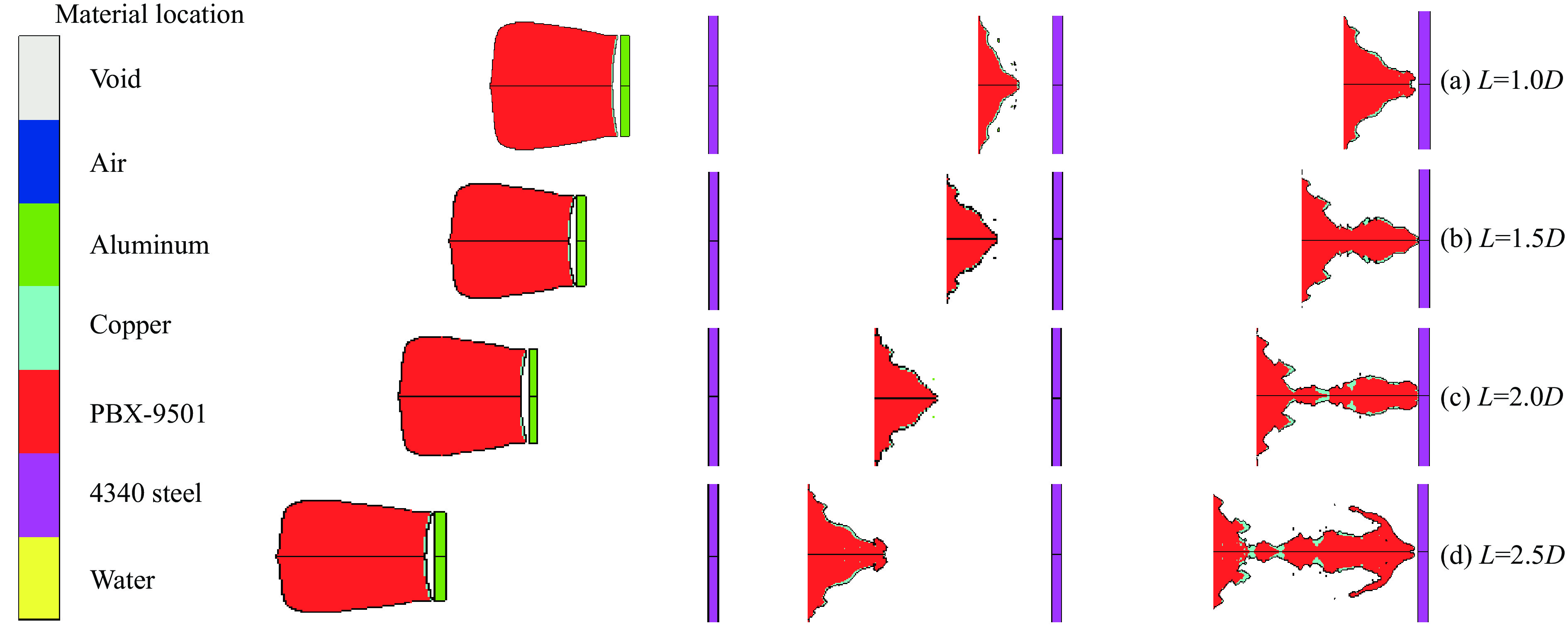
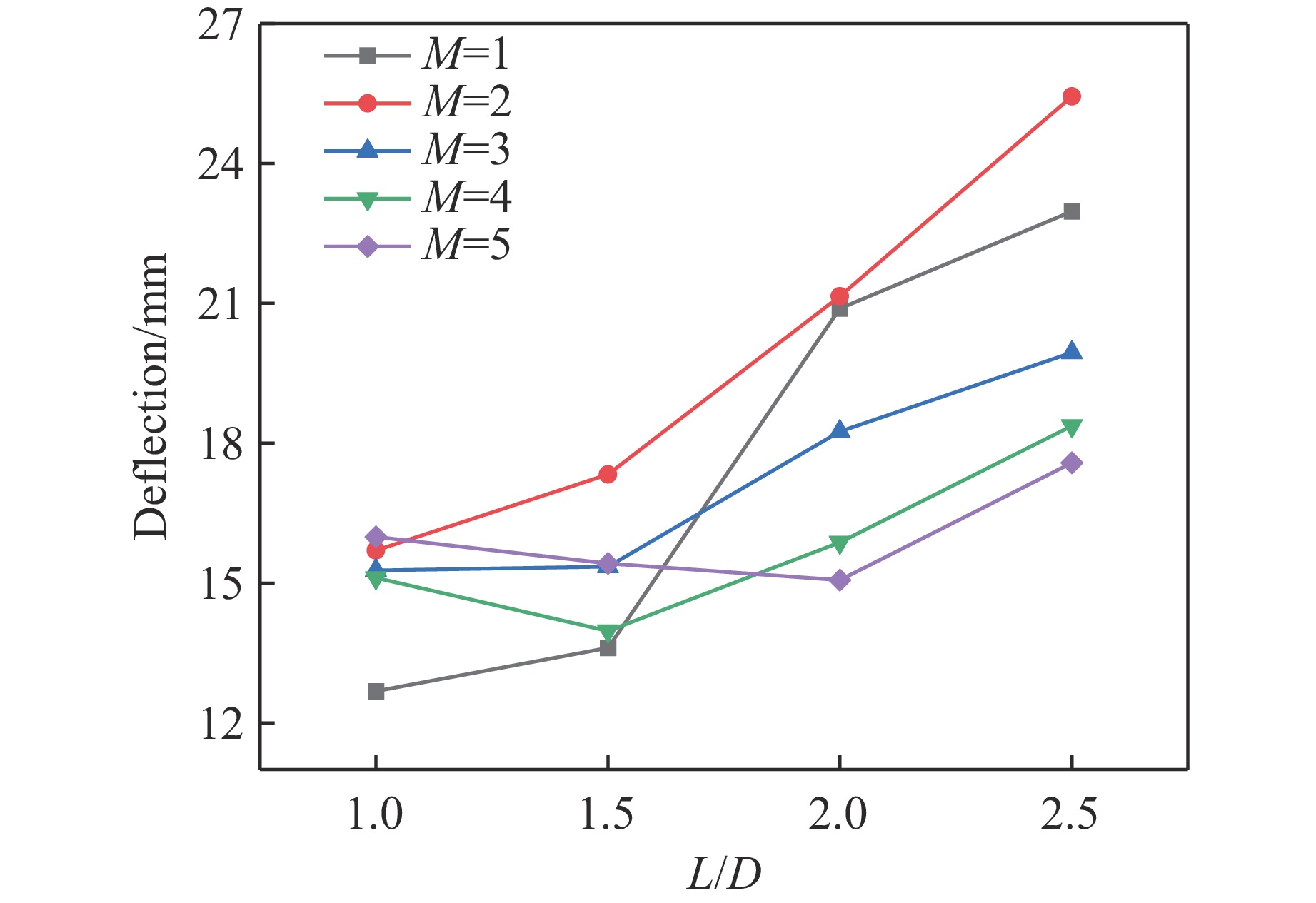
To investigate the influence of torpedo guidance nose configuration on the lethality of an underwater shaped charge warhead, a series of numerical simulations were performed using the AUTODYN finite element code. The damage performance of the shaped penetrator under different simulated nose structures was studied, and the complete process including shock wave diffraction, behind-target load propagation, and target damage were analyzed. The results indicate that both the penetrator head velocity and the diameter of hole in after-effect target generally increase with the total length and number of layers of the simulated nose. Within a certain range, increasing the number of nose layers effectively optimizes the formation of the explosively formed projectile (EFP), thereby enhancing its penetration capability. Furthermore, there exists an optimal total nose length that maximizes the head velocity while preventing necking and fracture of the penetrator.

Simulation and Calculation Study on Shaped Charge Liner Structure for Metal Jet Impact Detonation Propagation and Stable Detonation Propagation Distance
WANG Xinyue, WANG Chenlong, LI Zhiqiang
2026, 40(6): 065201. doi: 10.11858/gywlxb.20251230
HTML PDF (88)
Abstract:

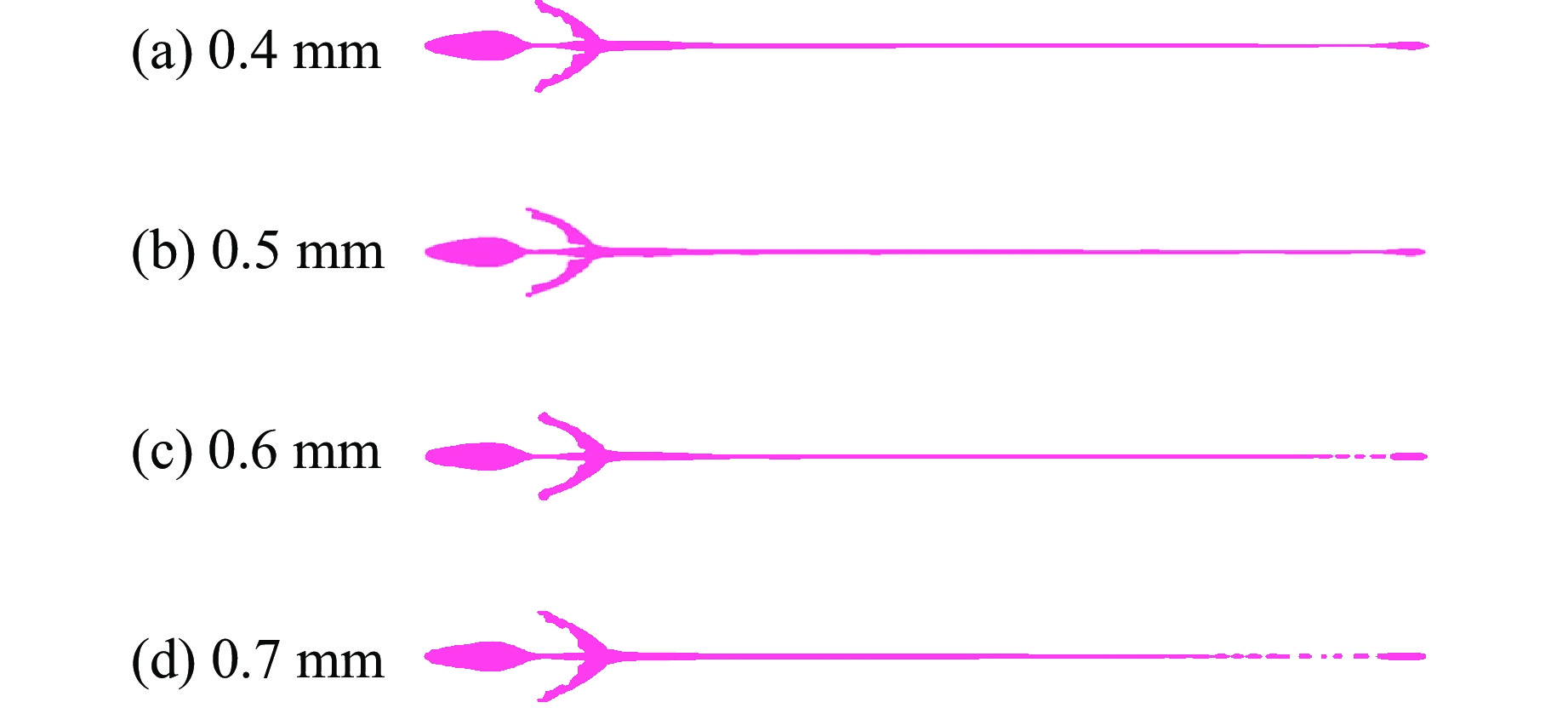
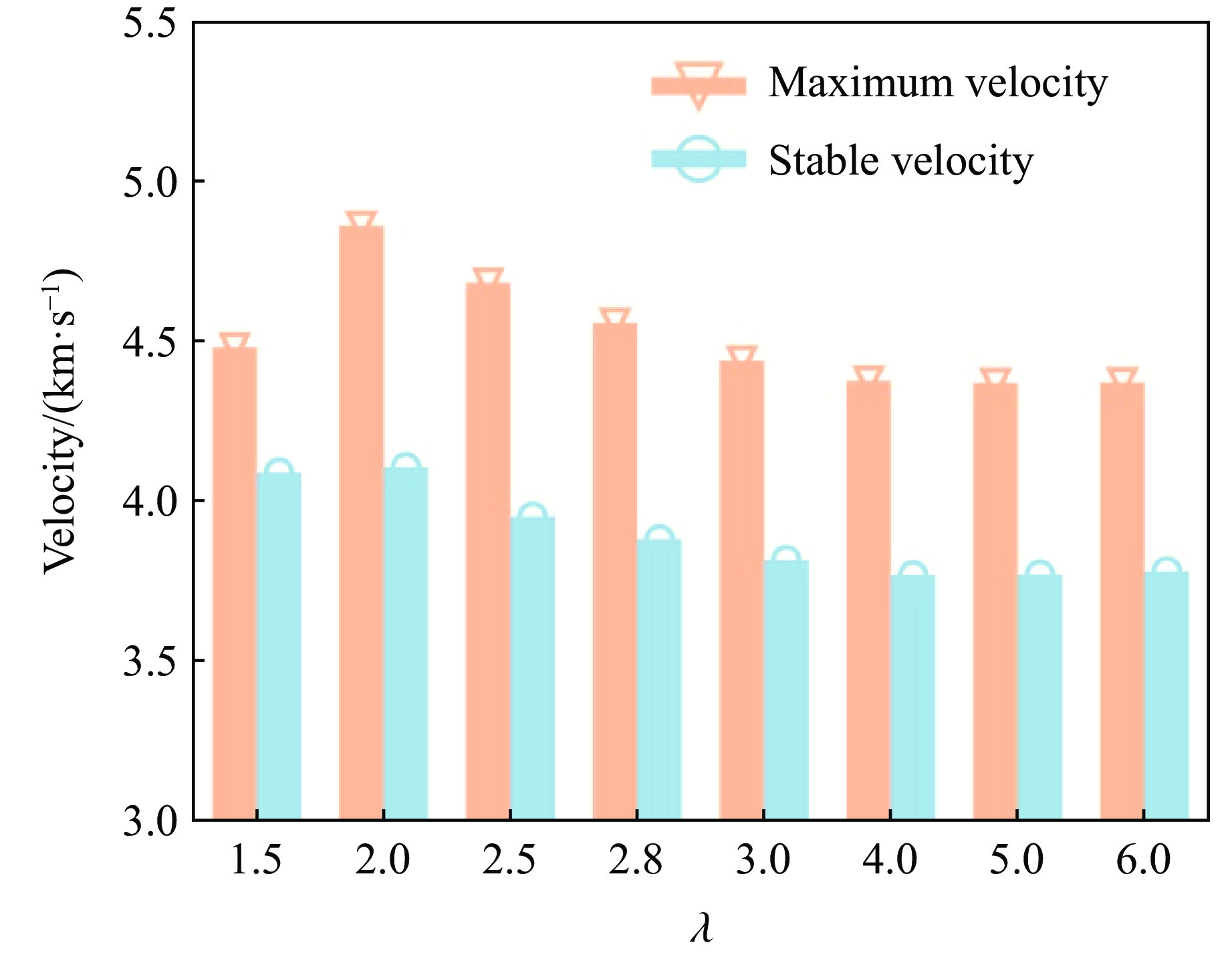
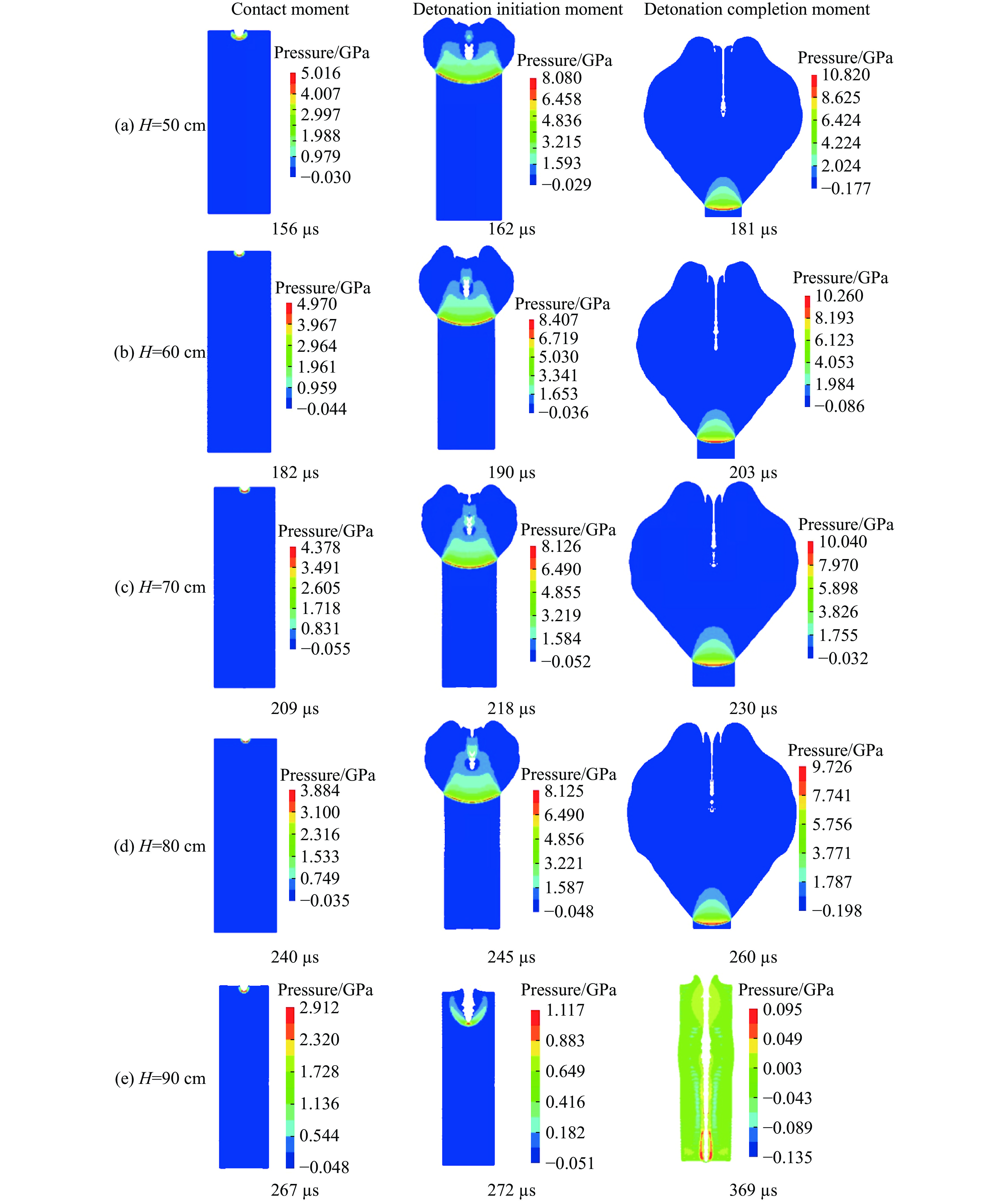
Gob-side entry retaining by roof cutting and pressure relief is widely employed in coal mining. However, the multi-segment air-decked charge structure used in its pre-splitting blasting requires a separate detonator for each charge segment, leading to problems such as high detonator consumption per borehole, elevated costs, operational complexity, and significant safety risks. To address this engineering challenge, the application of shaped metal jet impact-induced initiation technology in composite roof pre-splitting blasting has been proposed. Using LS-DYNA numerical simulation, a systematic investigation was conducted on liner structure optimization, factors affecting metal jet impact initiation, and the stable initiation distance. The findings demonstrate that the aluminum liner exhibits the optimal overall performance. With a cone angle of 60° and a wall thickness of 1 mm, it generates a shaped jet with high velocity, considerable length, and good continuity. In contrast, the copper liner, due to its high strength and high collapse energy threshold, fails to form an effective jet under low-power explosive charge conditions. Although the lead liner is readily accelerated, it produces jets with poor stability that are susceptible to necking and fragmentation. When the charge length-to-diameter ratio exceeds 3, the effective charge mass reaches saturation. Additional explosive energy is primarily dissipated through radial expansion and heat loss, resulting in the stabilization of both the maximum jet velocity and stable jet velocity. In an unconfined air environment, the maximum reliable initiation distance for a shaped jet from an aluminum liner (1 mm wall thickness, 60° cone angle) is 90 cm. Beyond this distance, jet stretching and attenuation lead to insufficient pressure to initiate the emulsion explosive. Confinement provided by steel pipes can significantly suppress the radial expansion of detonation products, enhancing energy utilization efficiency and consequently extending the initiation distance of the metal jet.

Laminar Combustion and Explosive Characteristics of Ternary Premixed Fuels at High Pressure
CHEN Rui, JIANG Genzhu, TAO Juxiang
2026, 40(6): 065202. doi: 10.11858/gywlxb.20251140
HTML PDF (55)
Abstract:

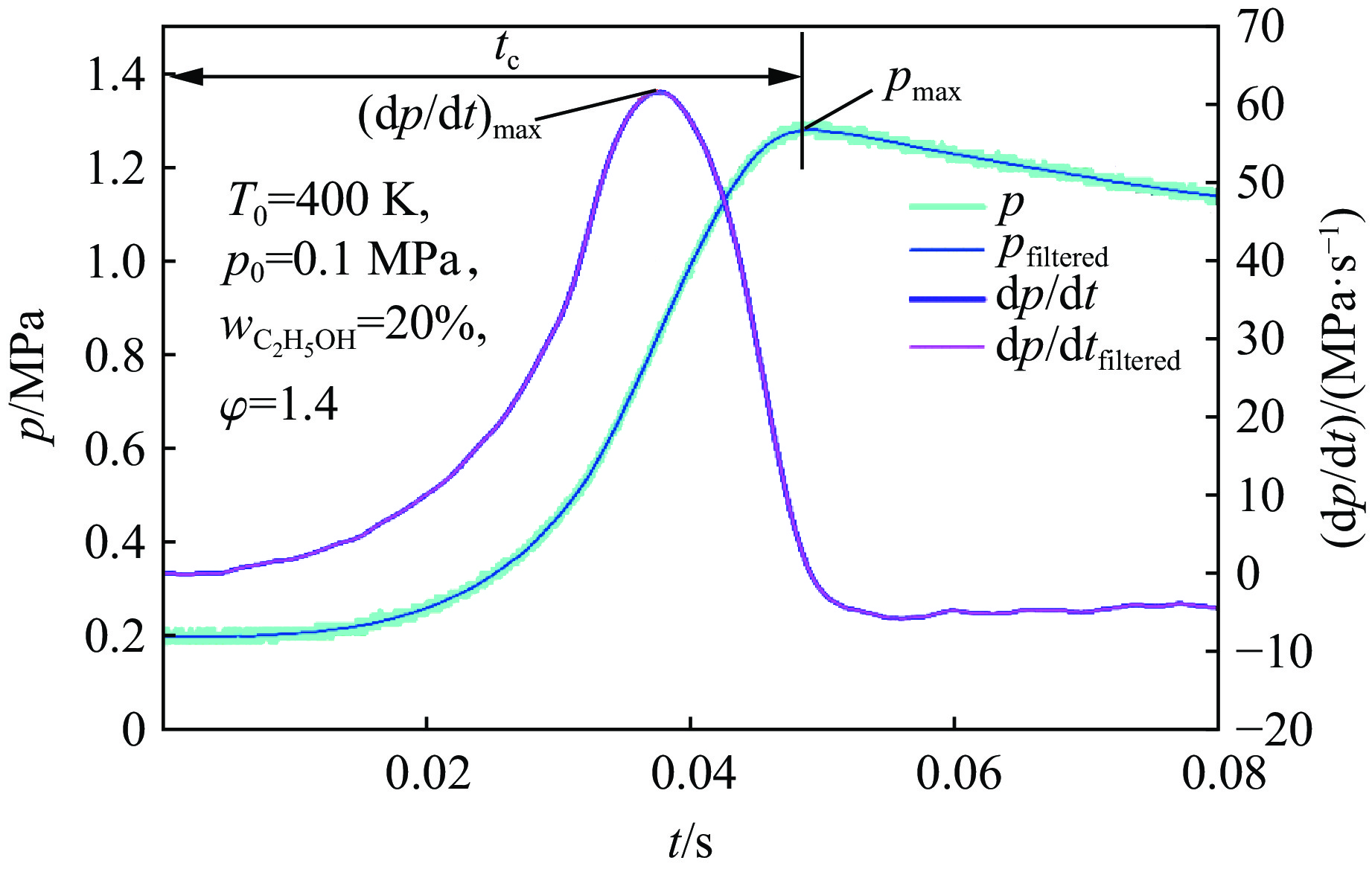
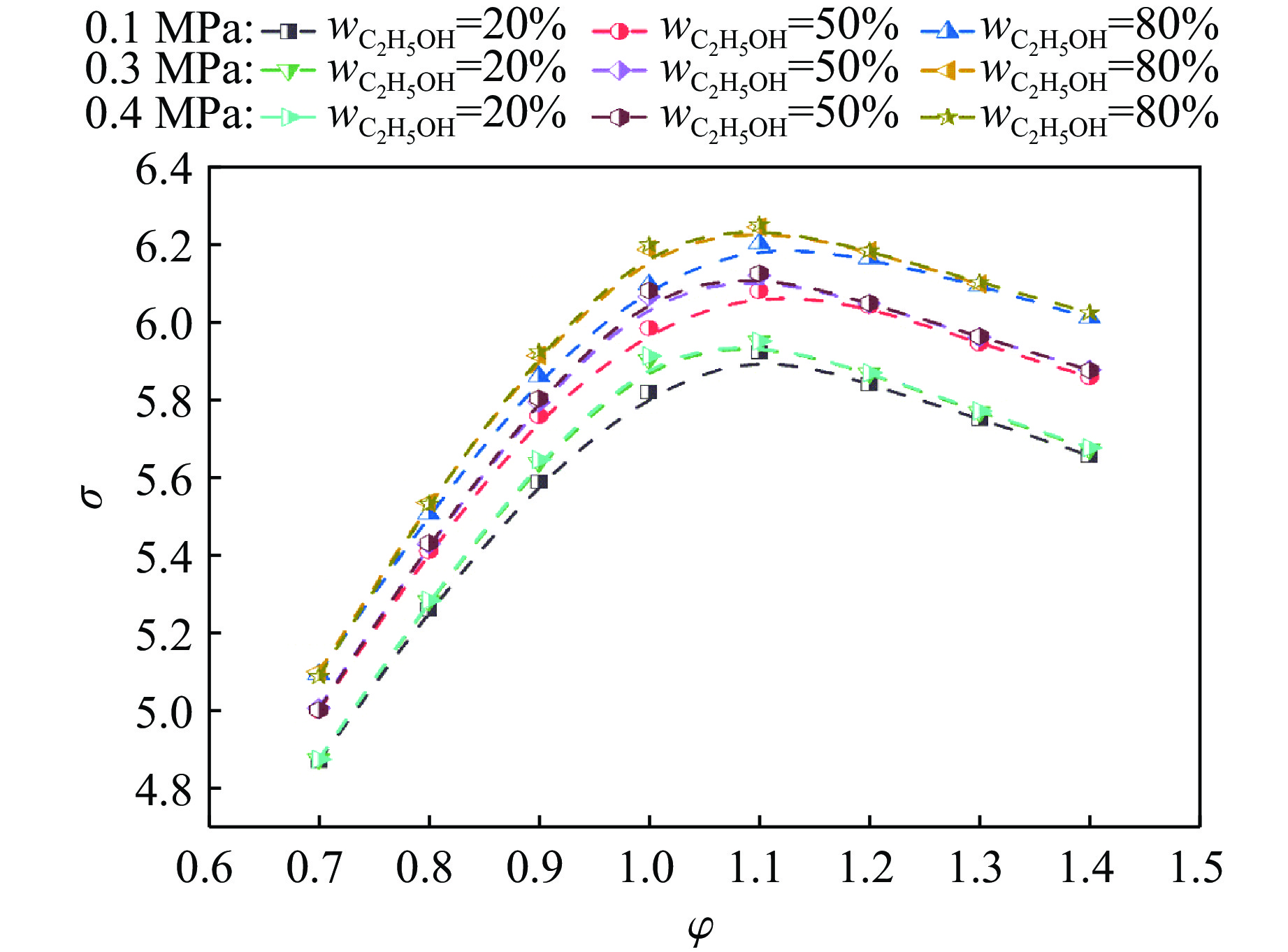
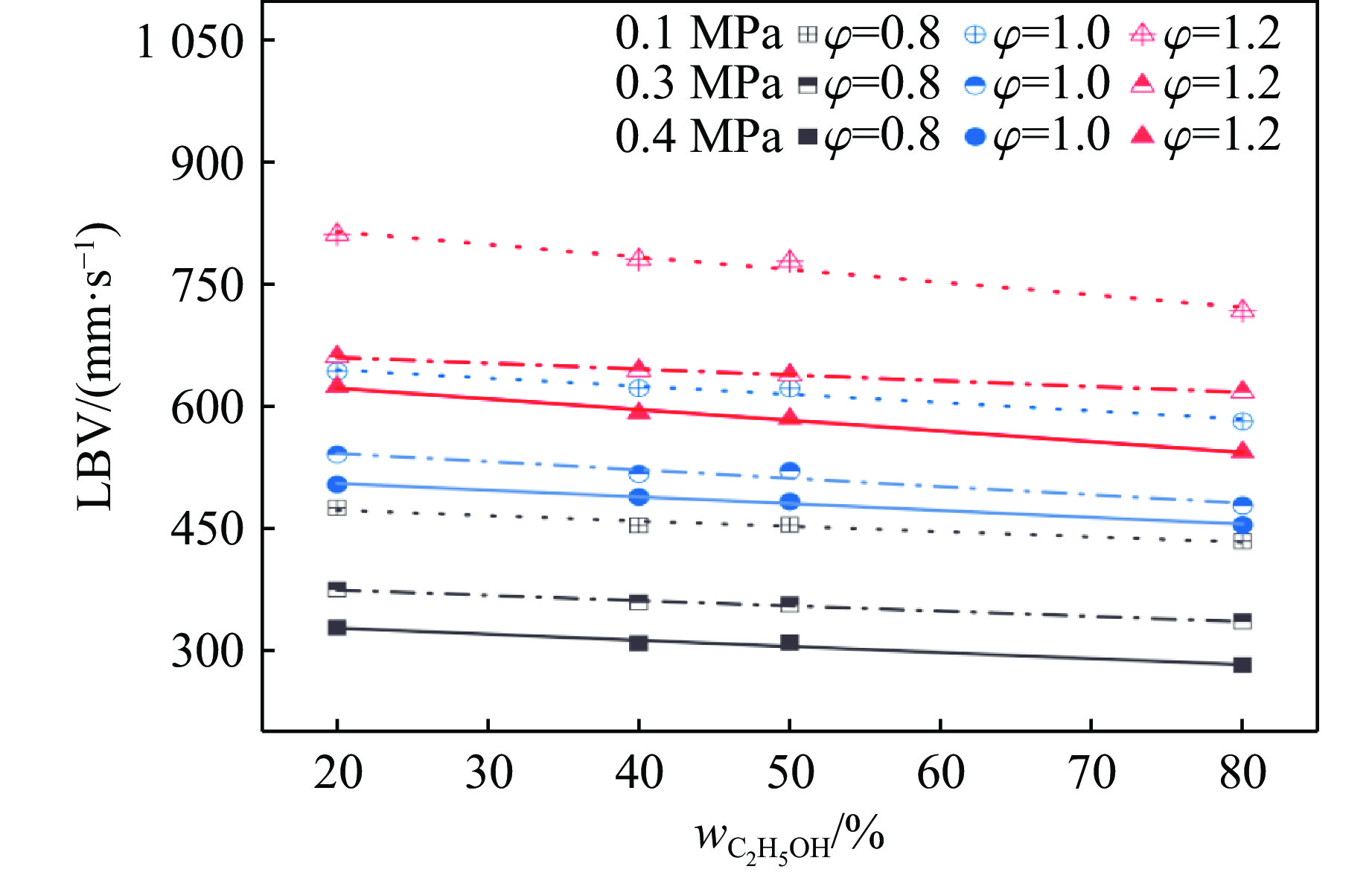
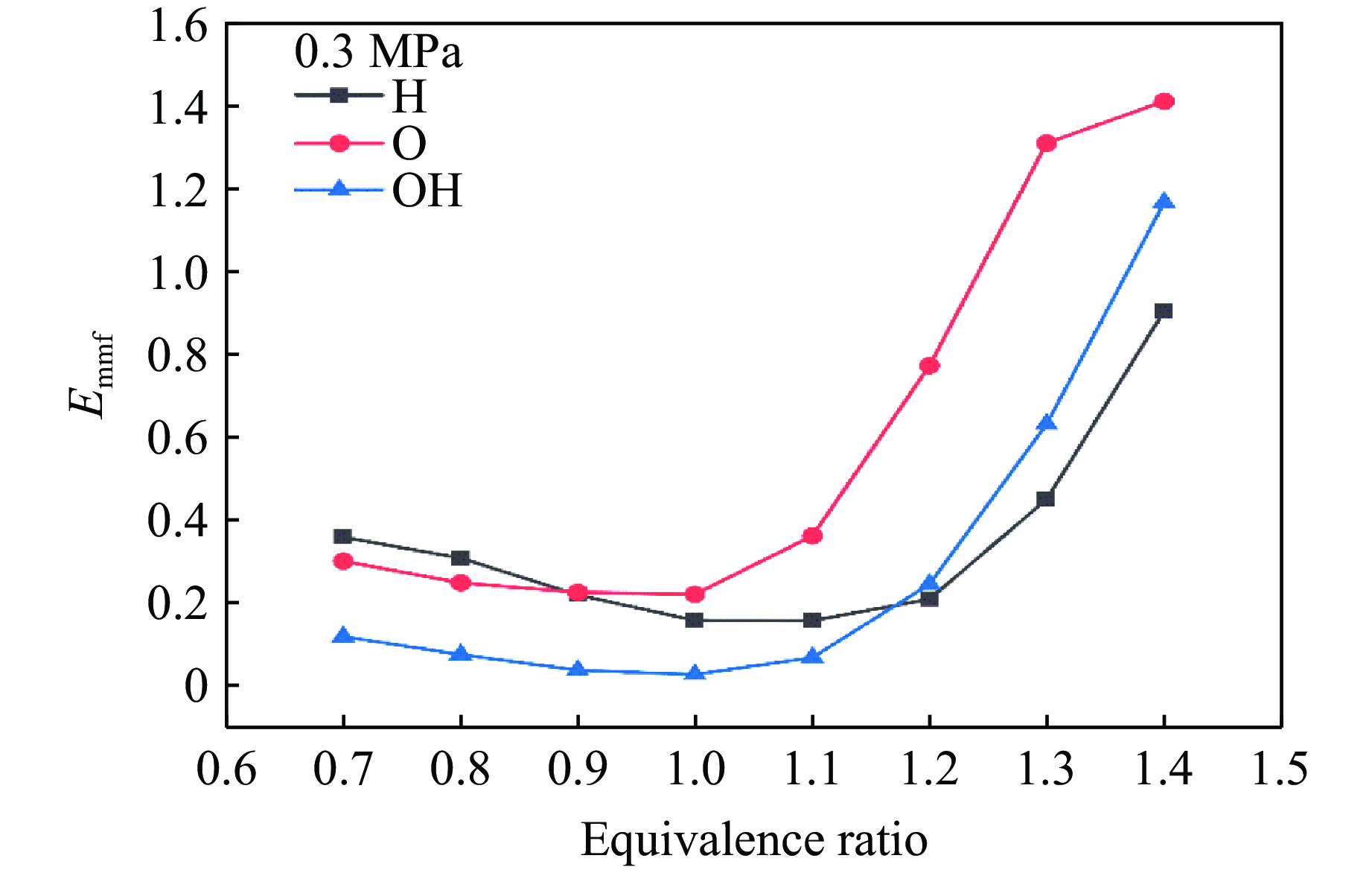
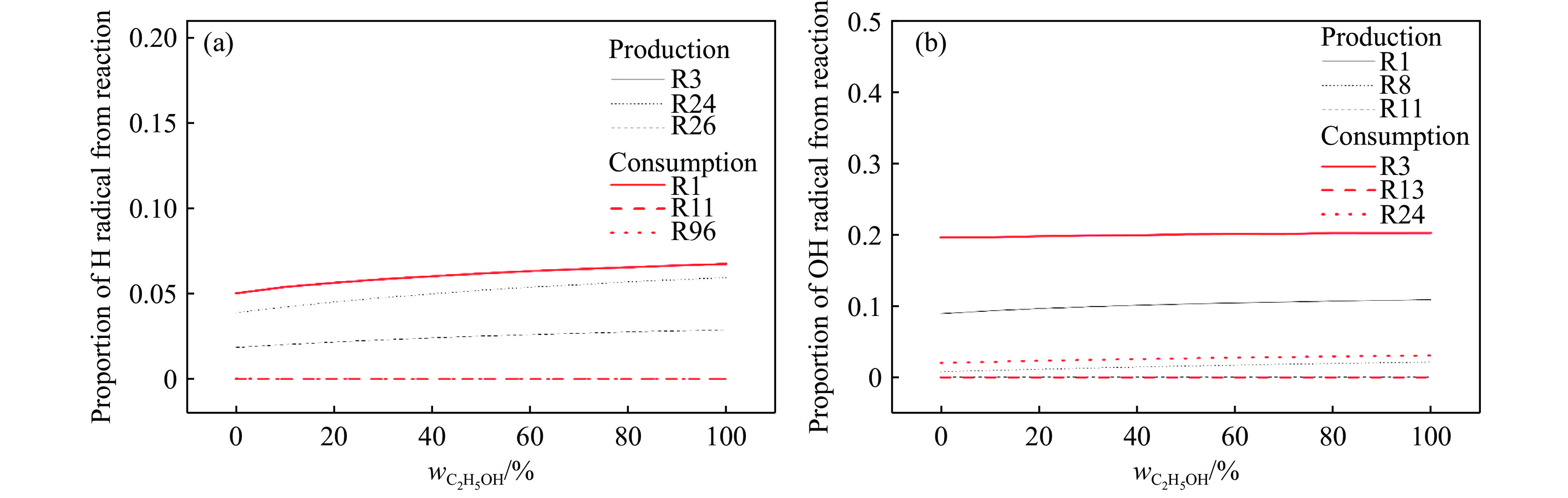
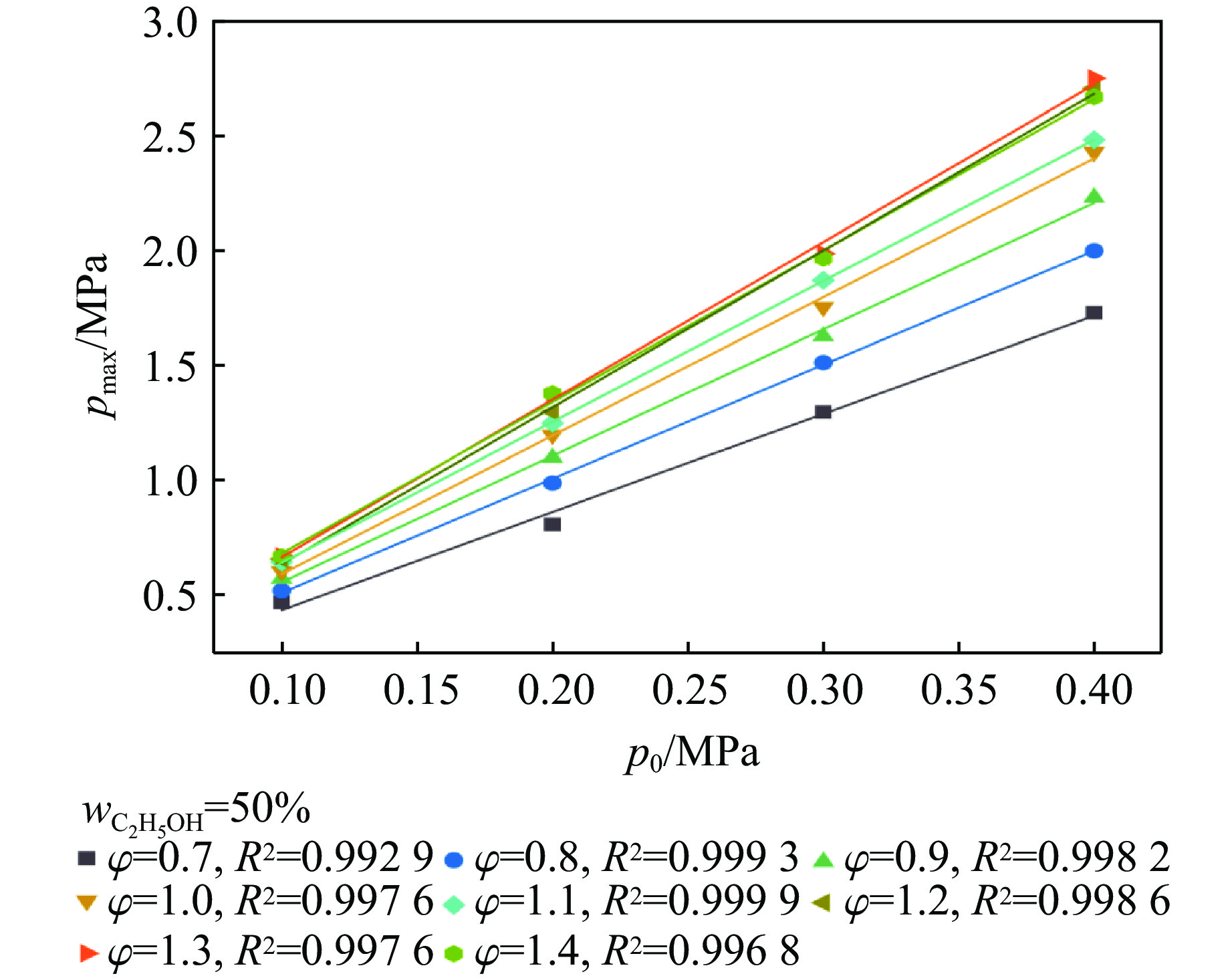
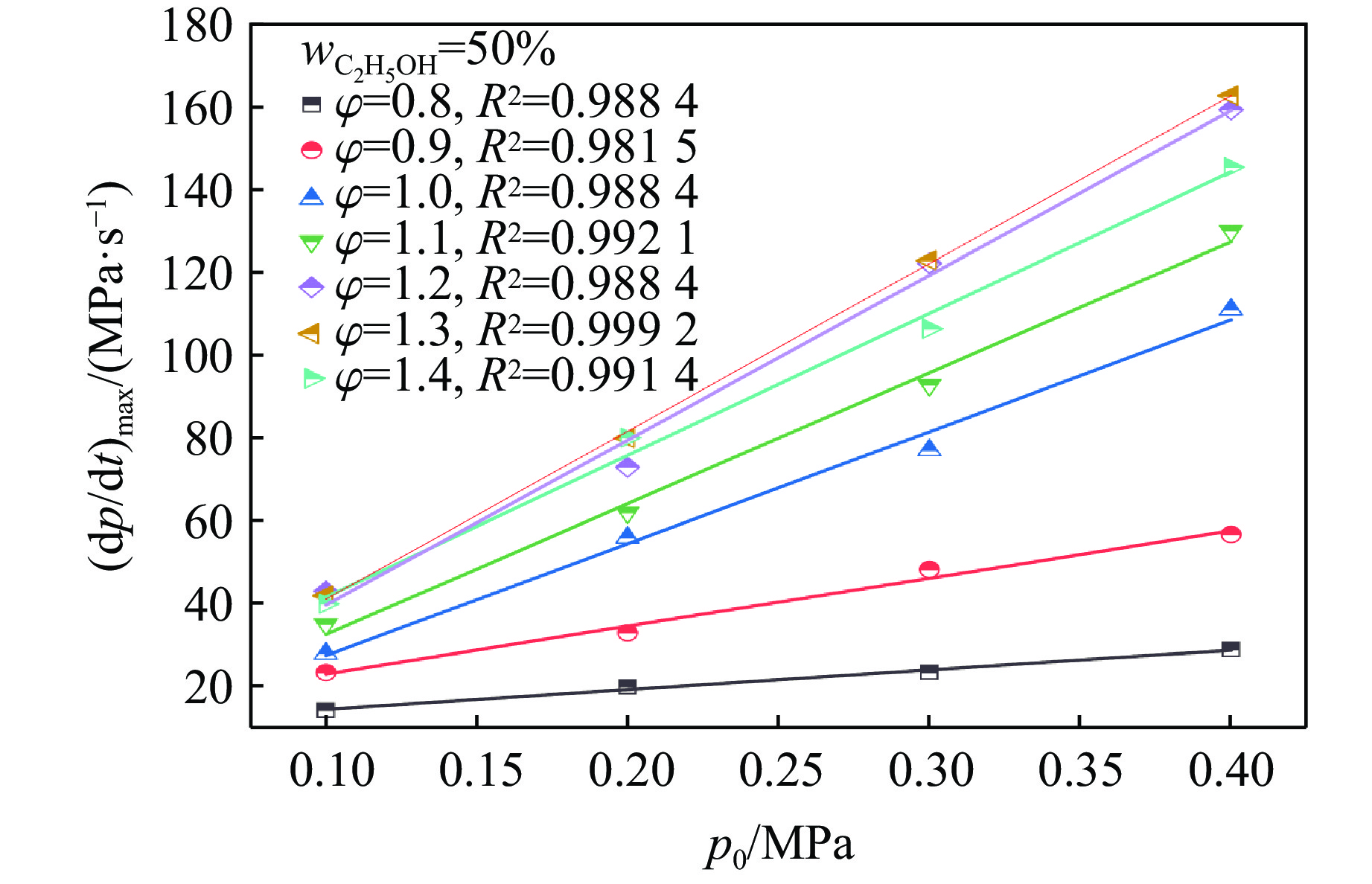
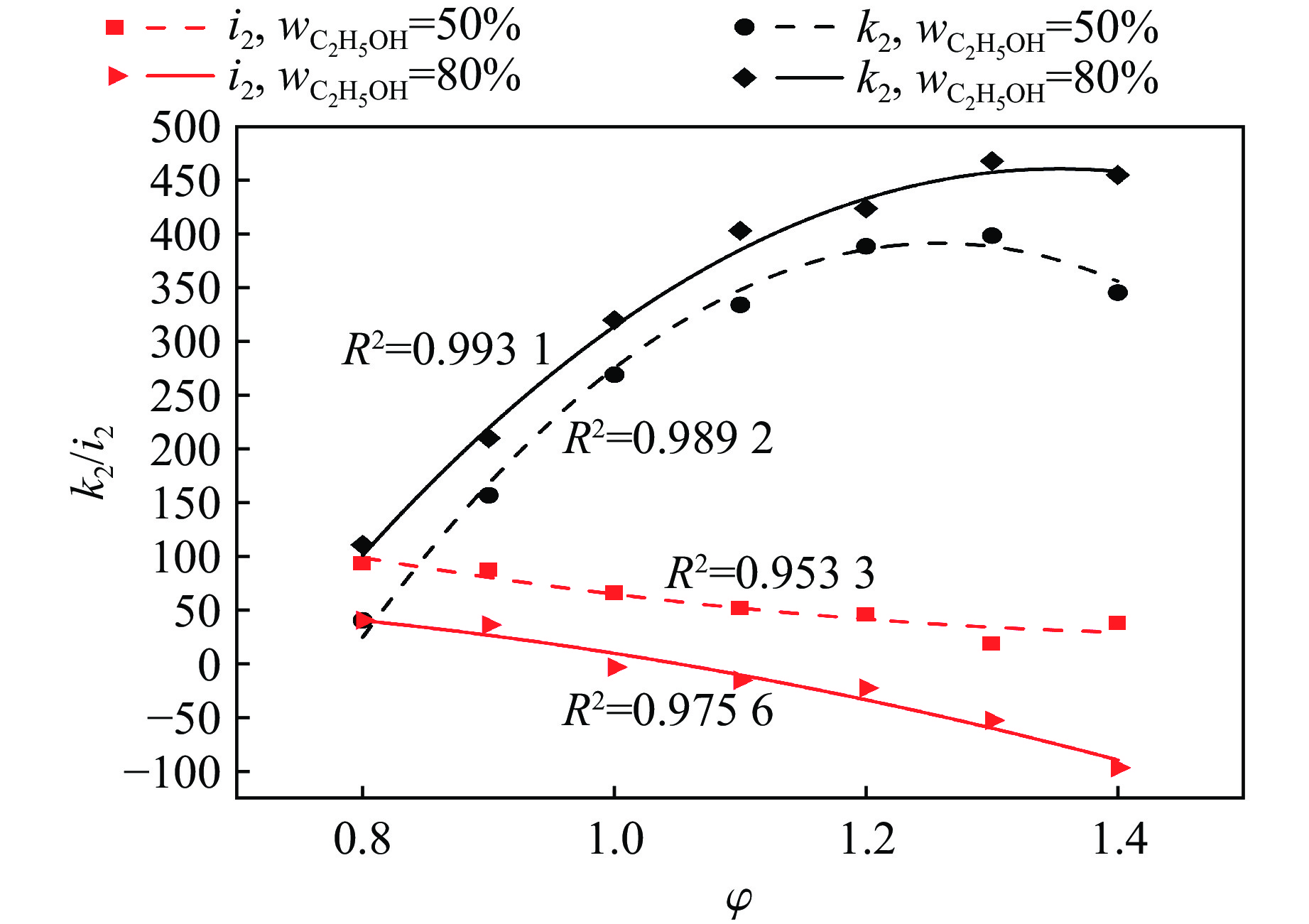
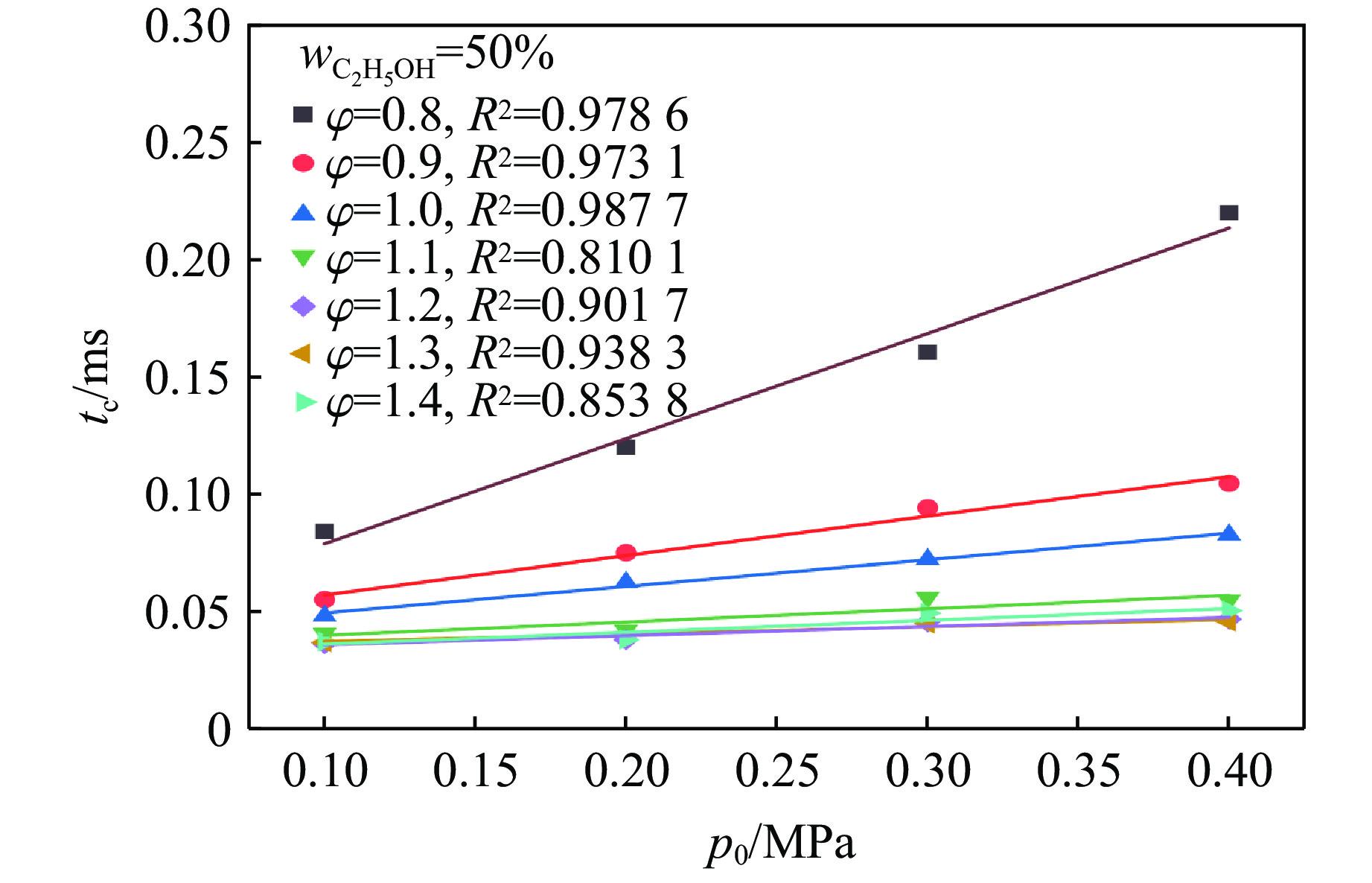
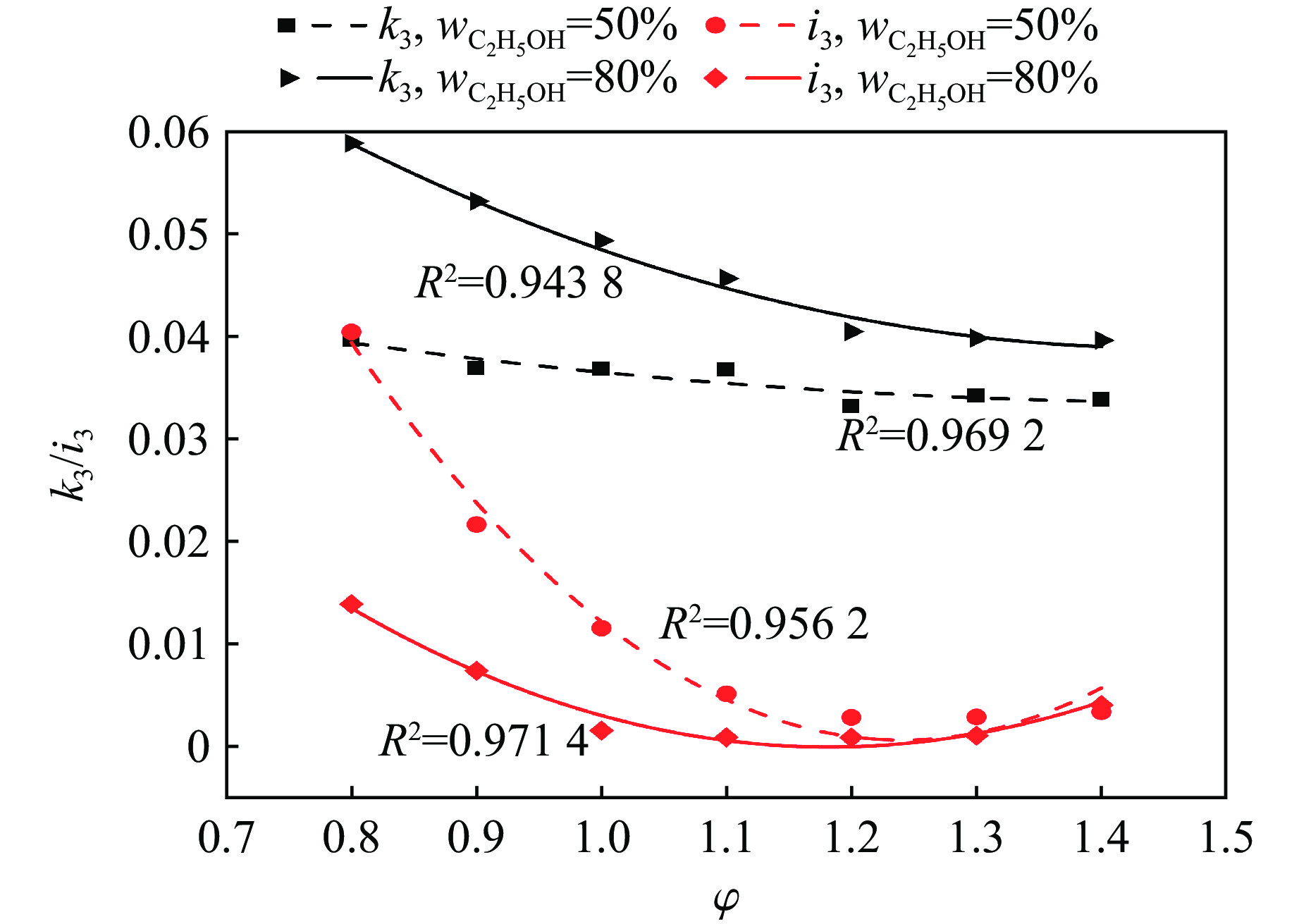
This study systematically investigated the laminar burning and explosive characteristics of an ethanol-hydrogen-methane ternary premixed fuel at high pressure. Experiments were conducted in a constant-volume combustion system at initial temperature of 400 K, initial pressure (p0) ranging from 0.1 to 0.4 MPa, equivalence ratio (ϕ) between 0.7 and 1.4, and the volume fraction ethanol of 20%, 50%, and 80%. The results show that the strongest combustion instability occurs at an equivalence ratio of 1.1, while the instability intensity increasing with higher ethanol content and elevated pressure. The laminar burning velocity (LBV) decreases with increasing pressure and ethanol concentration, deviating by less than 7% from kinetic simulation results. Regarding explosion characteristics, the maximum explosion pressure pmax exhibits a linear correlation with the initial pressure, and the slope of this relation increases with a higher ethanol ratios. The maximum rate of pressure rise peaks at ϕ=1.1, reaching a maximum value of 188 MPa/s, which corresponds to a deflagration index of 23.66 MPa·m/s, indicating a relatively safe level. The optimal combustion ranges for different ethanol blending ratios are as follows: ϕ is 1.2–1.3, p0 is 0.1–0.3 MPa at 20% ethanol; ϕ is 1.1–1.2 and p0≈0.3 MPa at 50% ethanol; ϕ is 1.0–1.1 and p0≈0.1 MPa at 80% ethanol. Kinetic analysis further reveals that reaction R1 serves as the dominant chain-branching step, playing a key role in enhancing the burning rate. The simulation accurately captures the evolution trends of radical species, validating the rationality of the reaction kinetic model. This study reveals the synergistic effects of ethanol proportion and pressure on the combustion and explosion behavior of ternary fuels, providing valuable references for the design of efficient clean fuels and the optimization of combustion chambers.

Effects of Solid Inerting Agent on Magnesium Powder Explosion under Fuel-Lean Conditions
LI Runzhi, LIU Mingshuai, CAO Mengting, MENG Xiangbao, DING Jianxu, LI Shihang, HAN Zhiyue
2026, 40(6): 065203. doi: 10.11858/gywlxb.20251210
HTML PDF (85)
Abstract:

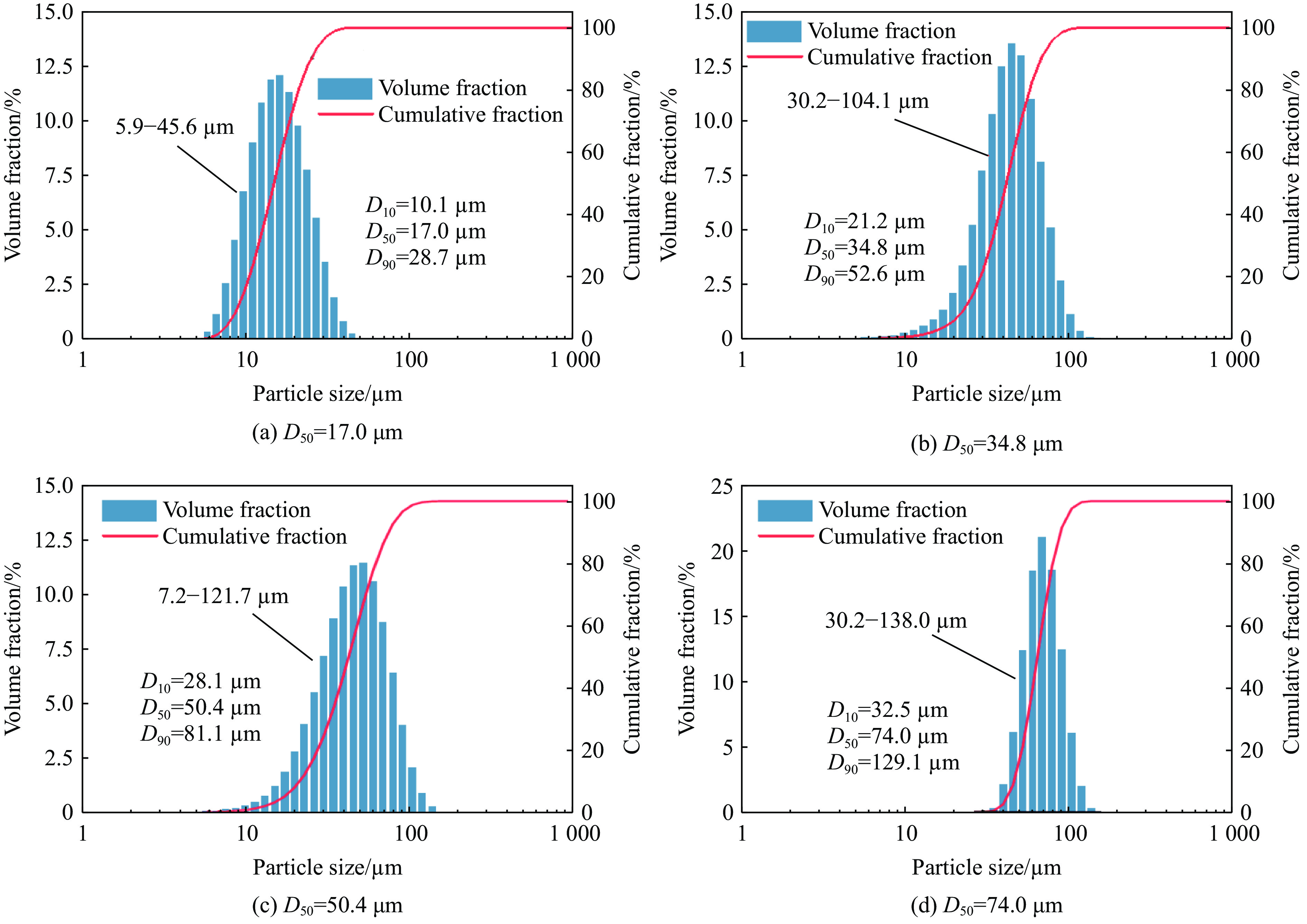
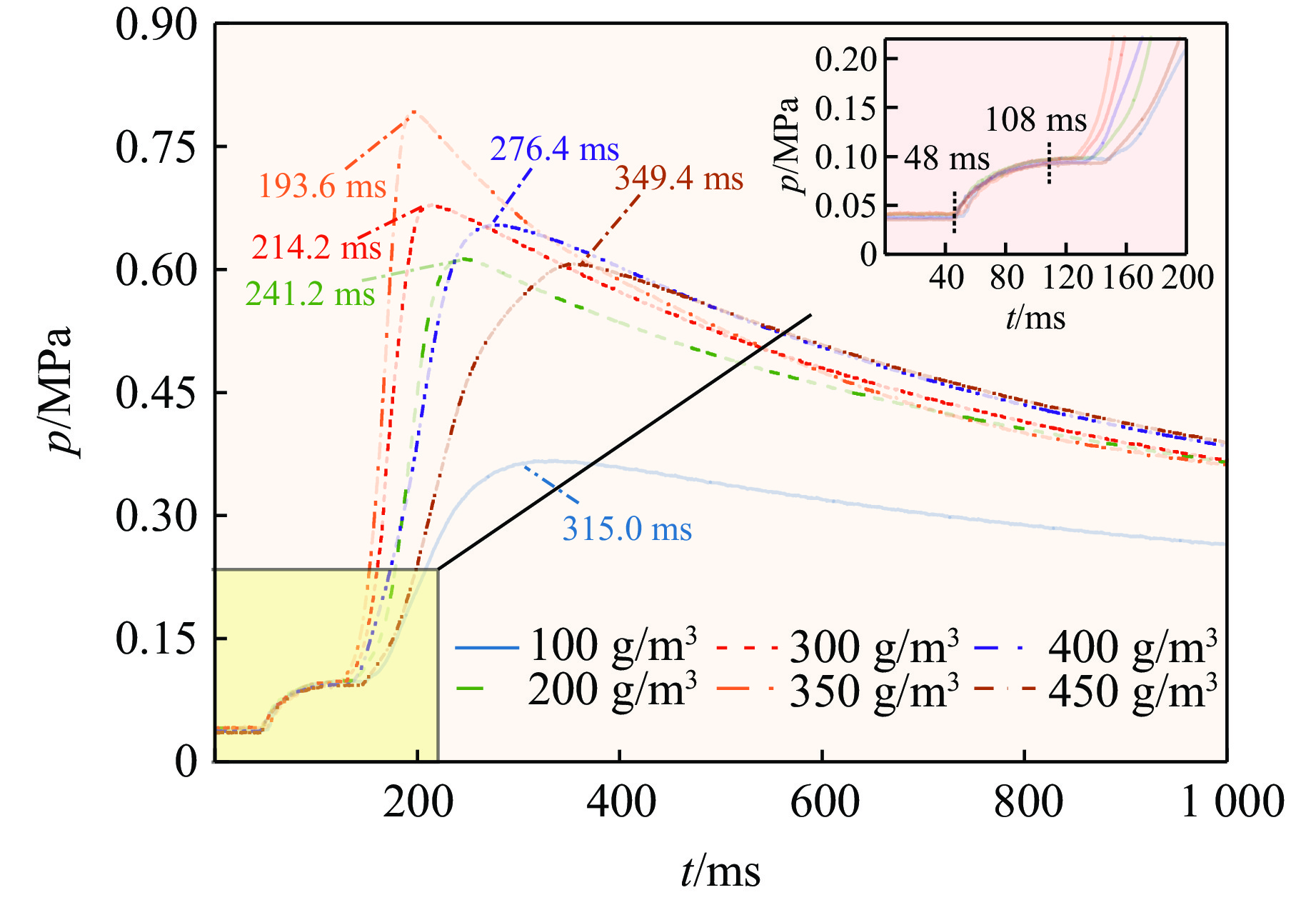
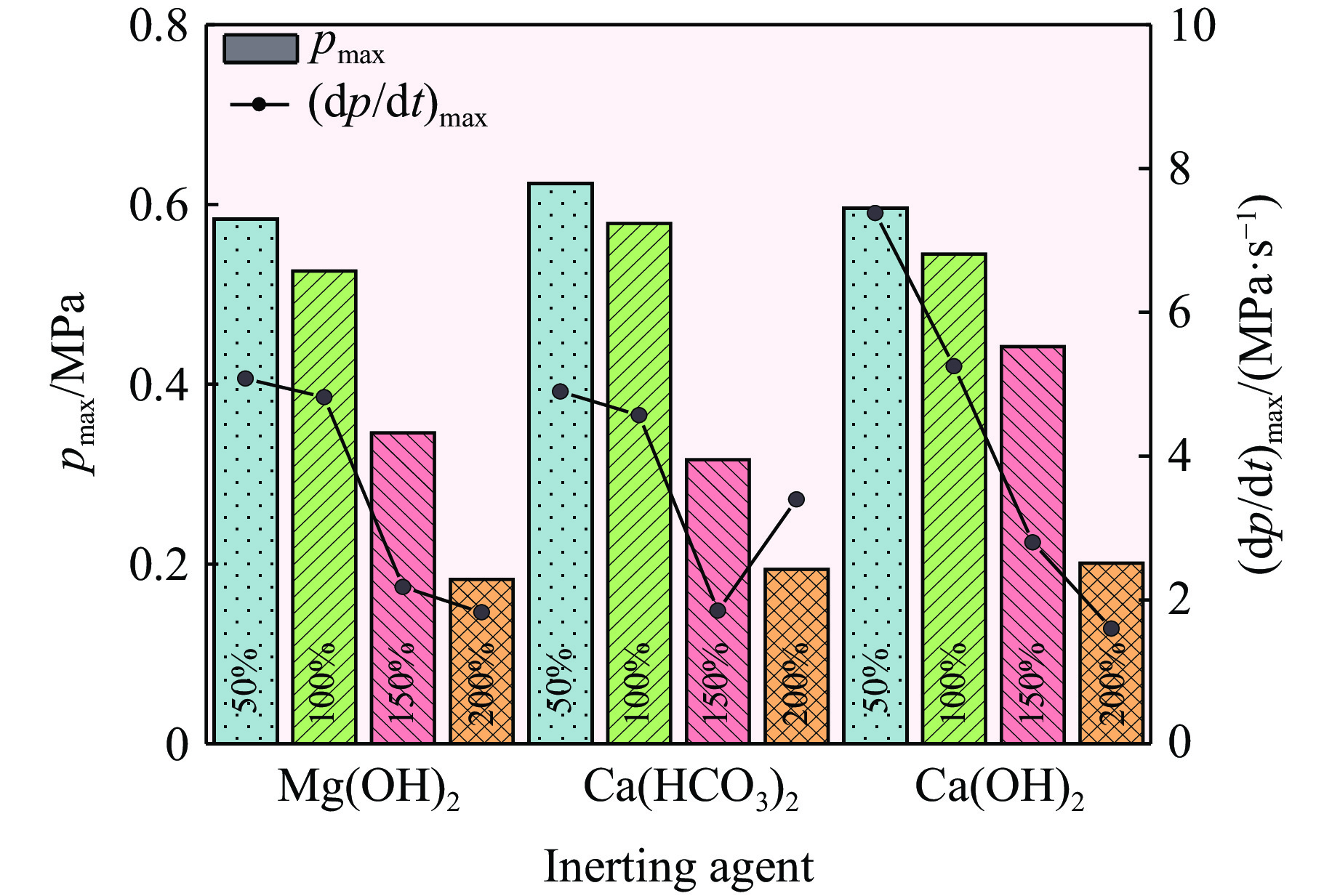
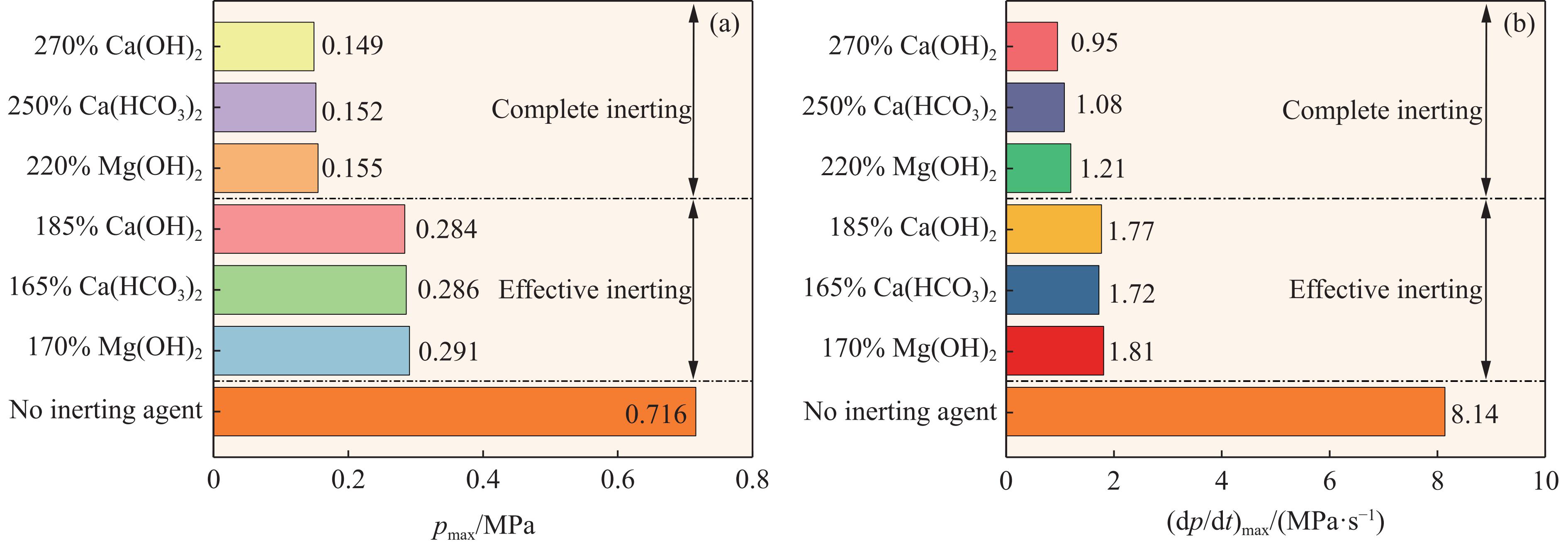
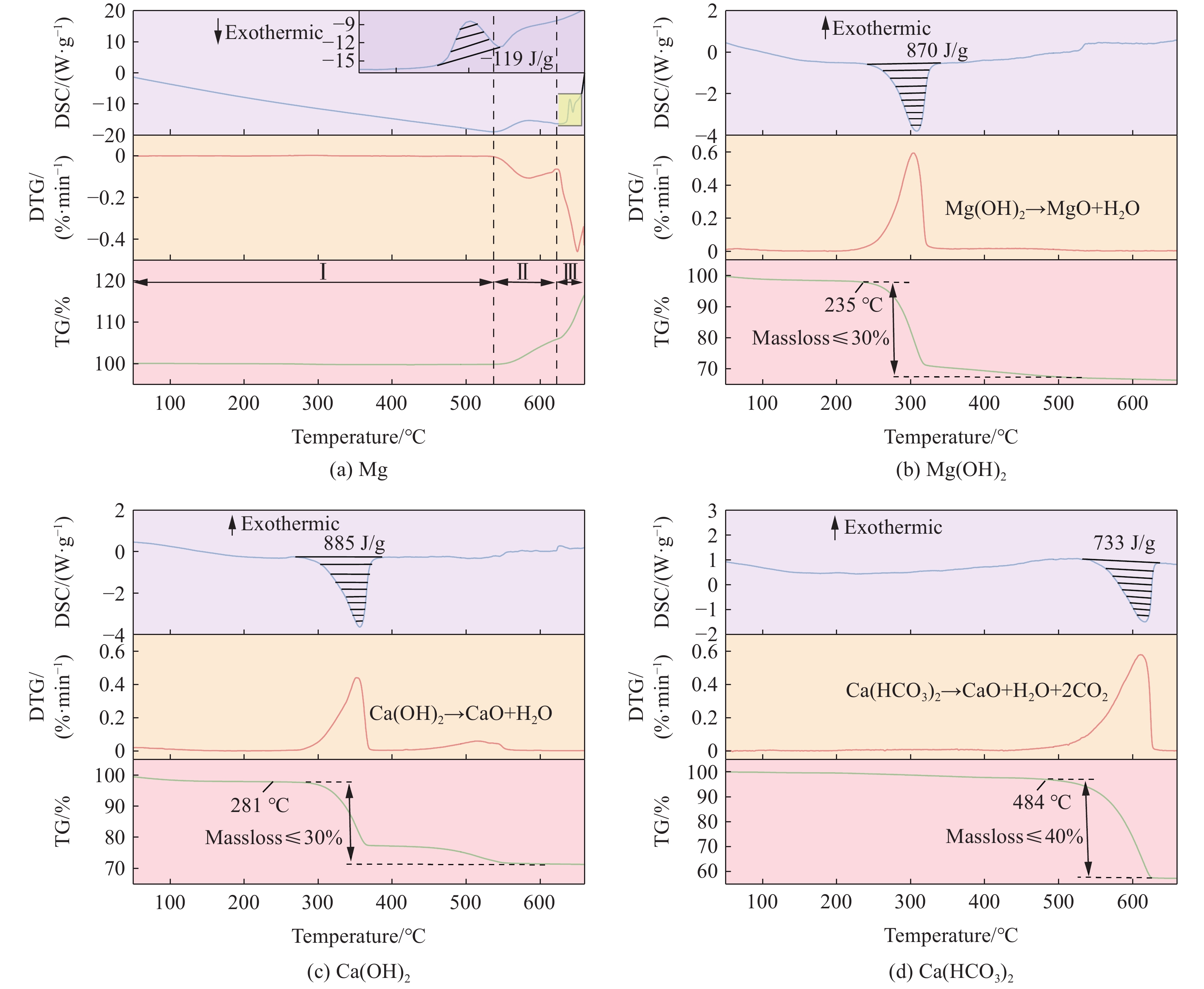
In order to prevent and control the deflagration hazard of magnesium powder in fuel-lean conditions, the explosion suppression experiment device was used to test the effect of solid inerting agents (Mg(OH)2, Ca(OH)2, Ca(HCO3)2) on the explosion characteristics of magnesium powder. The particle size and concentration were considered. The results show that within the particle size range from 17 to 74 μm, the maximum explosion pressure of magnesium powder decreases with increasing particle size, and rises first and then falls as powder concentration increases. For the 17.0 μm magnesium powder, the optimal explosion concentration and the maximum explosion pressure are 350 g/m3 and 0.716 MPa, respectively. The addition of three inerting agents, namely Mg(OH)2, Ca(OH)2, and Ca(HCO3)2, both reduces the maximum explosion pressure and the maximum pressure rise rate of magnesium powder. The inerting ratios for effective and complete inerting of magnesium powder by the three agents were obtained. Among them, Mg(OH)2 exhibits the best inerting performance, with the inerting ratios of 170% and 220% for effective and complete inerting, respectively. The inerting mechanism of solid inerting agents on magnesium powder under fuel-lean conditions is revealed. Mg(OH)2 decomposes upon heating to produce MgO, which adsorbs onto the surface of magnesium particles and prevents the contact between magnesium and oxygen, thereby achieving inerting; Ca(OH)2 exerts an inerting effect merely through thermal decomposition; Ca(HCO3)2 generates CO2 by thermal decomposition, which further enhances the inerting performance. The obtained conclusions provide an important reference for realizing the effective inerting of magnesium powder explosion under fuel-lean conditions.

Influence of Rock Mass Joints on Slot Blasting and Parameter Optimization Based on Discrete Element Method
SONG Yongkang, LIU Haoshan, ZHANG Zhiyu
2026, 40(6): 065301. doi: 10.11858/gywlxb.20251186
HTML PDF (57)
Abstract:

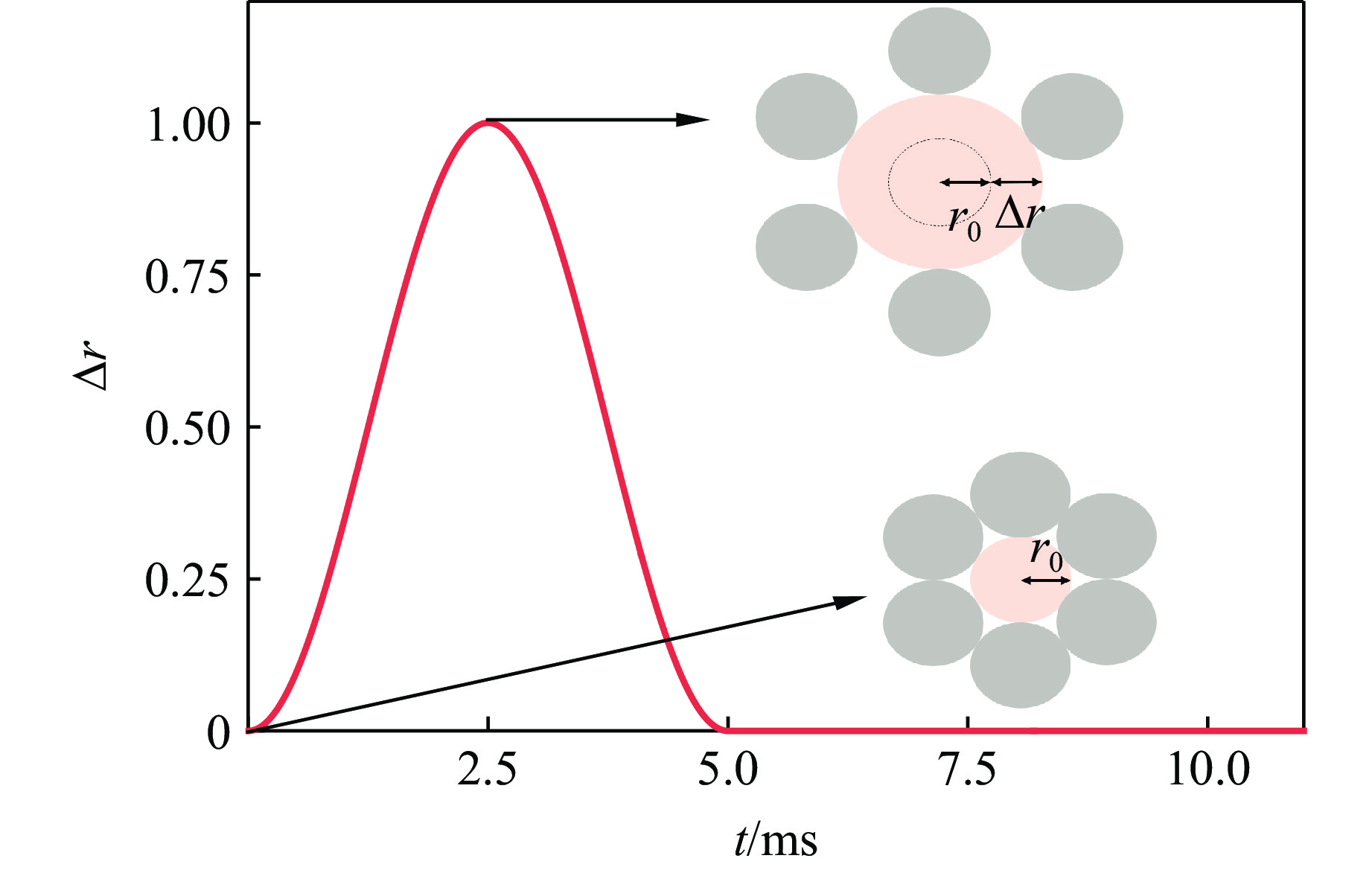
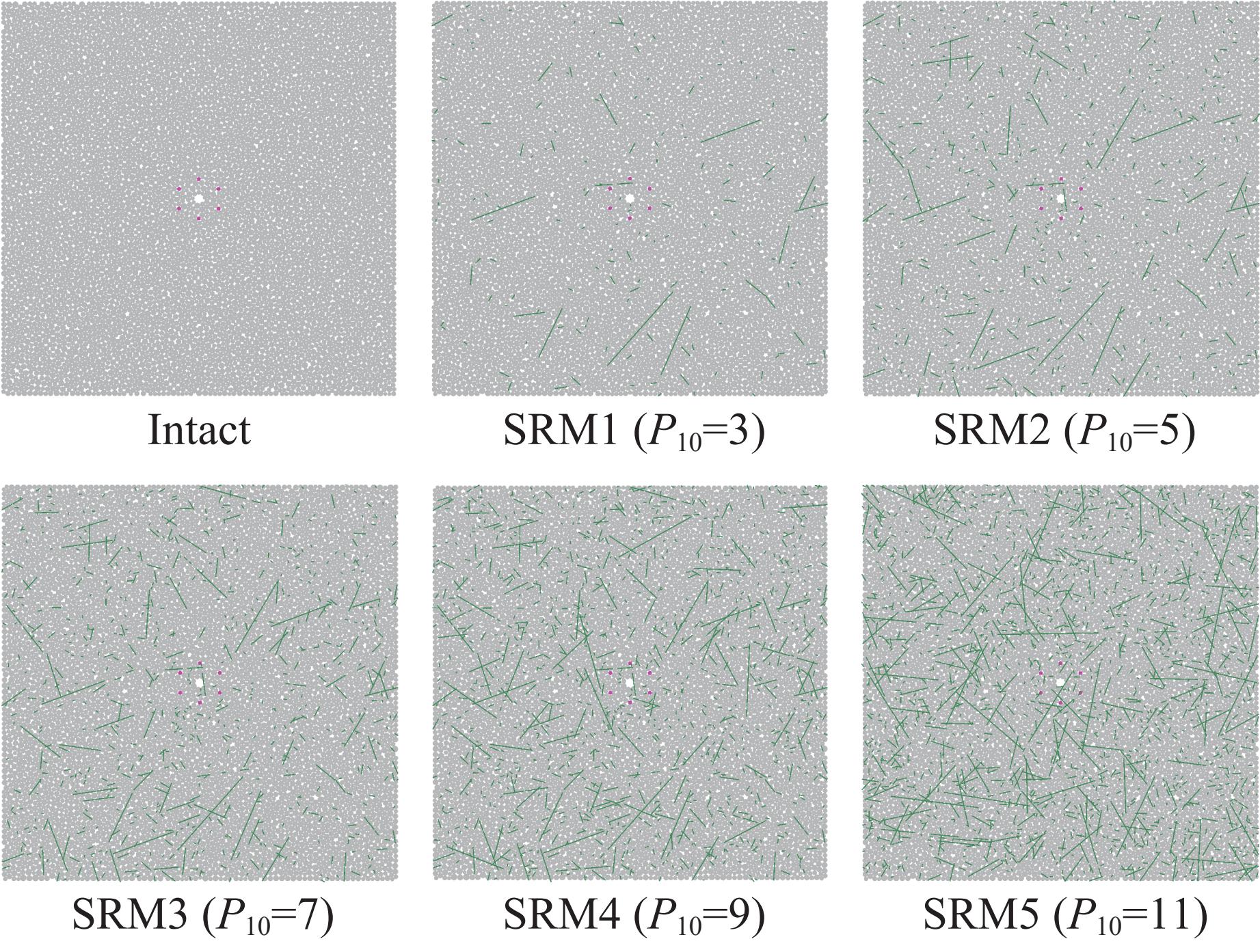
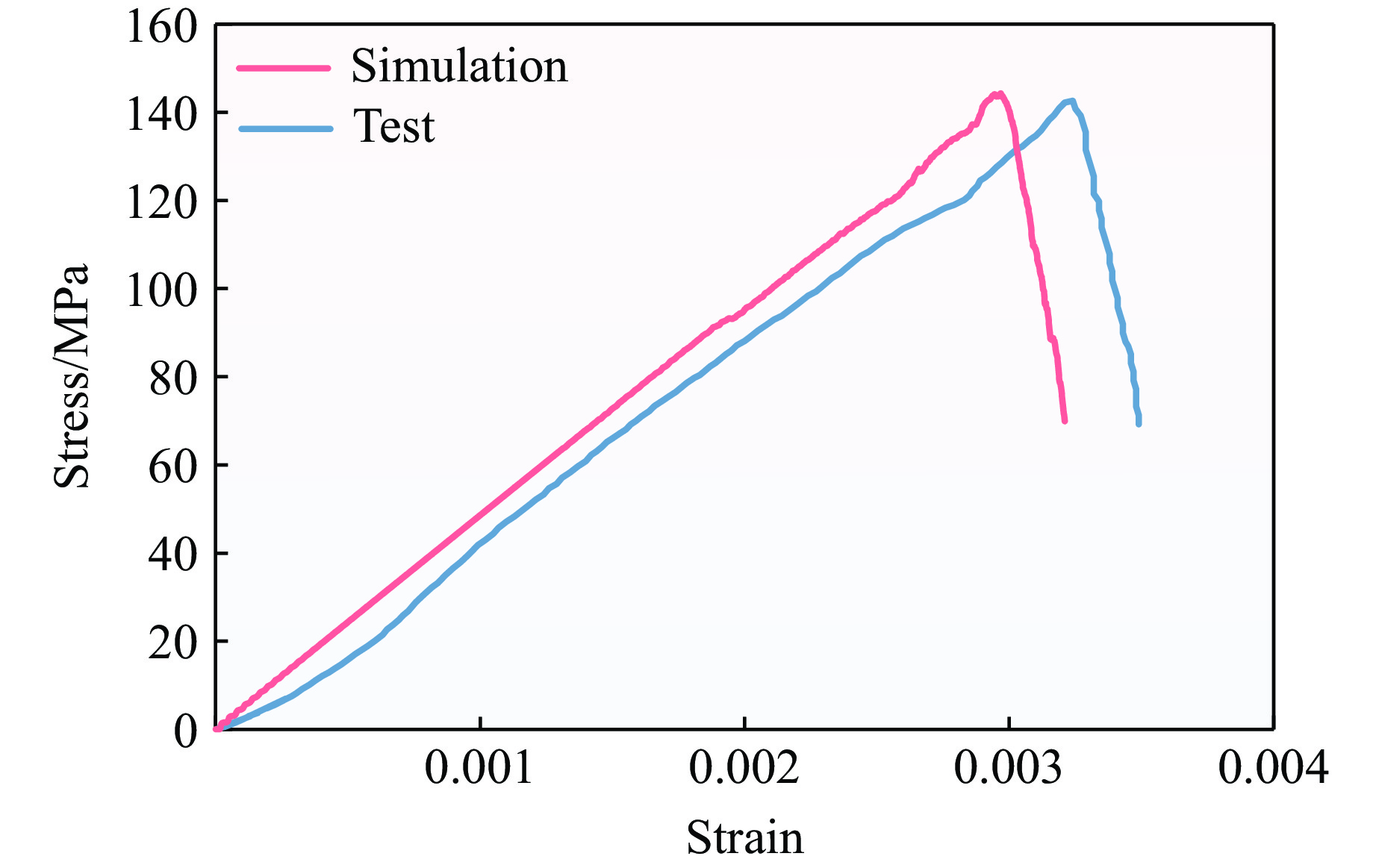
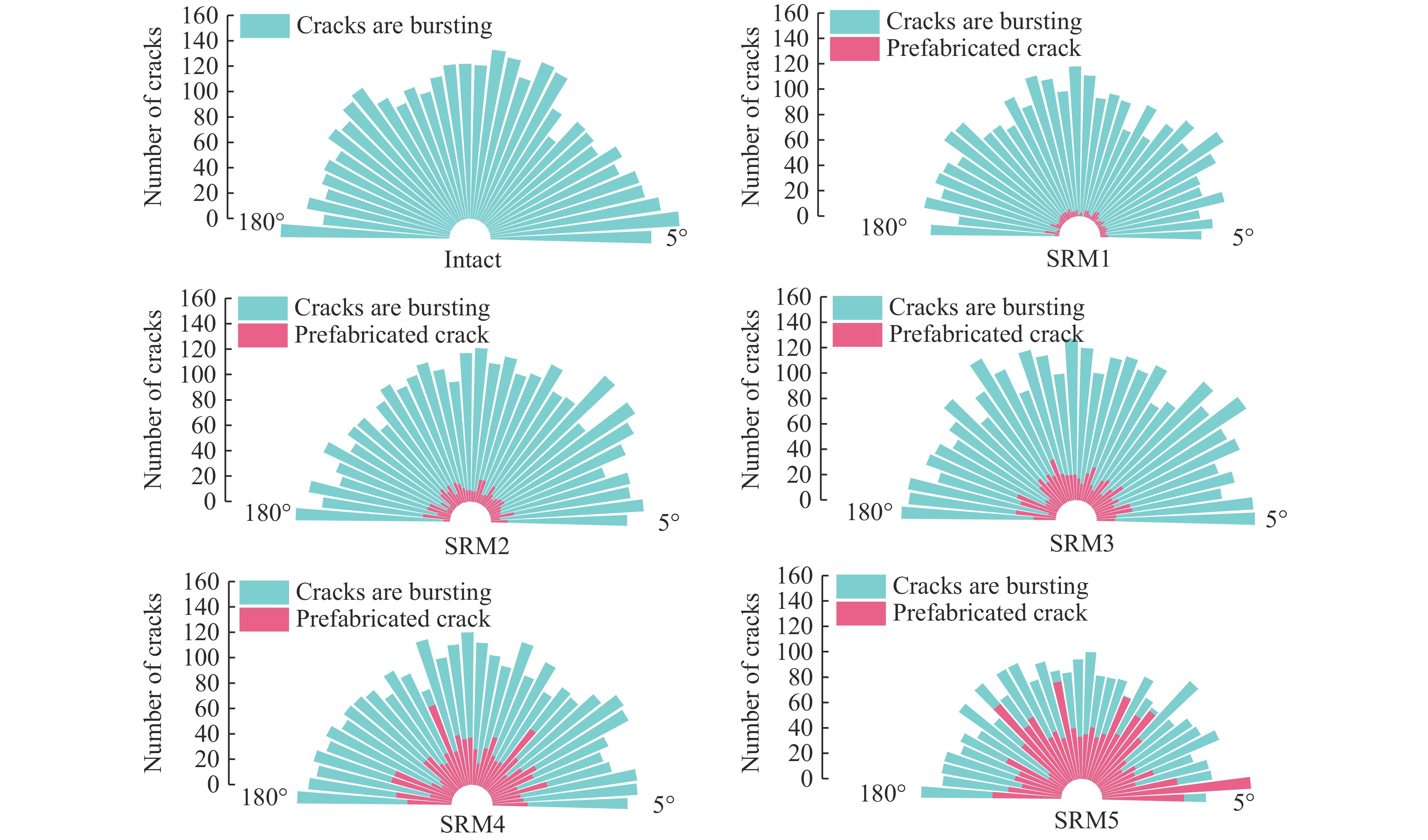
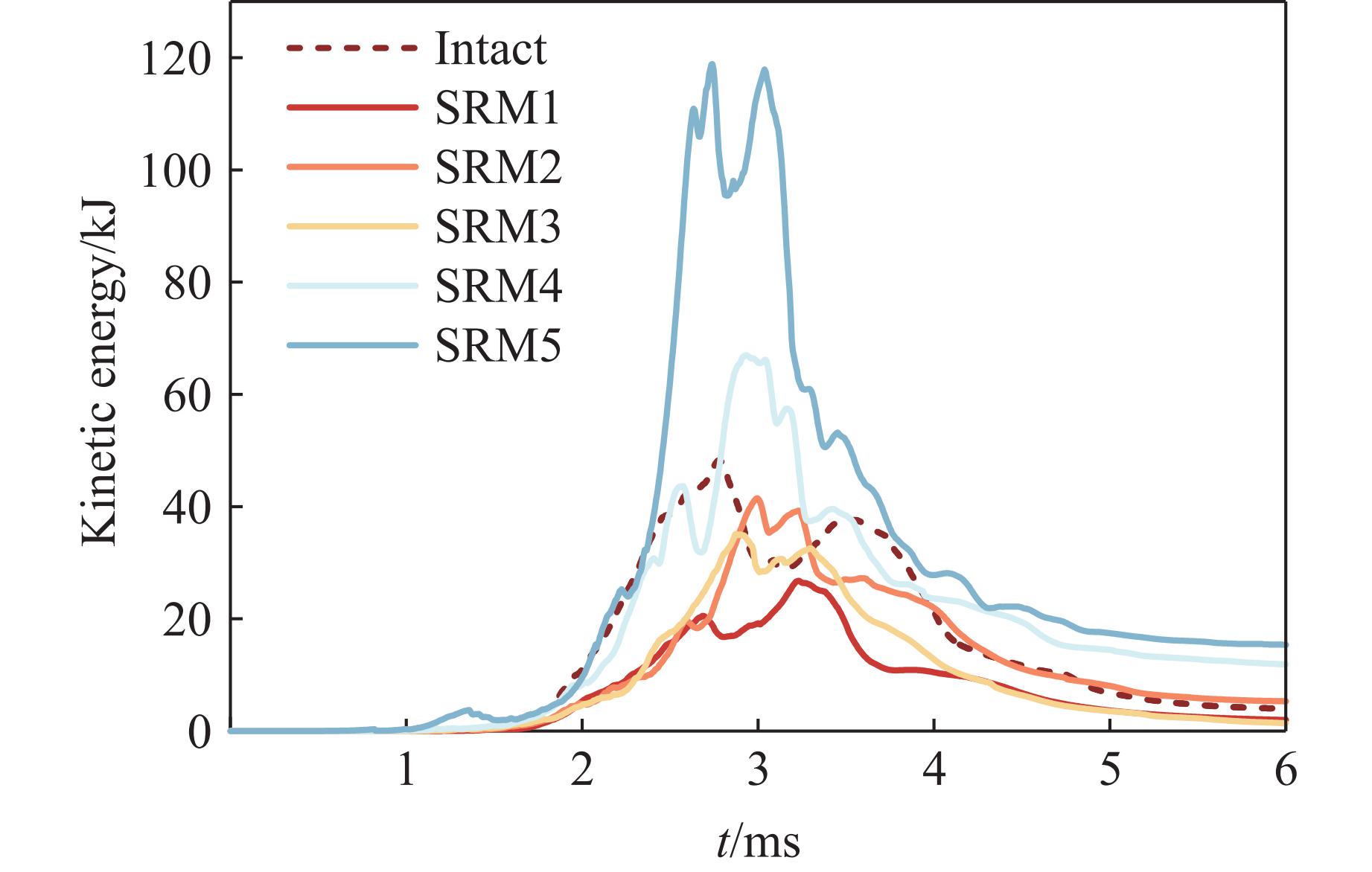
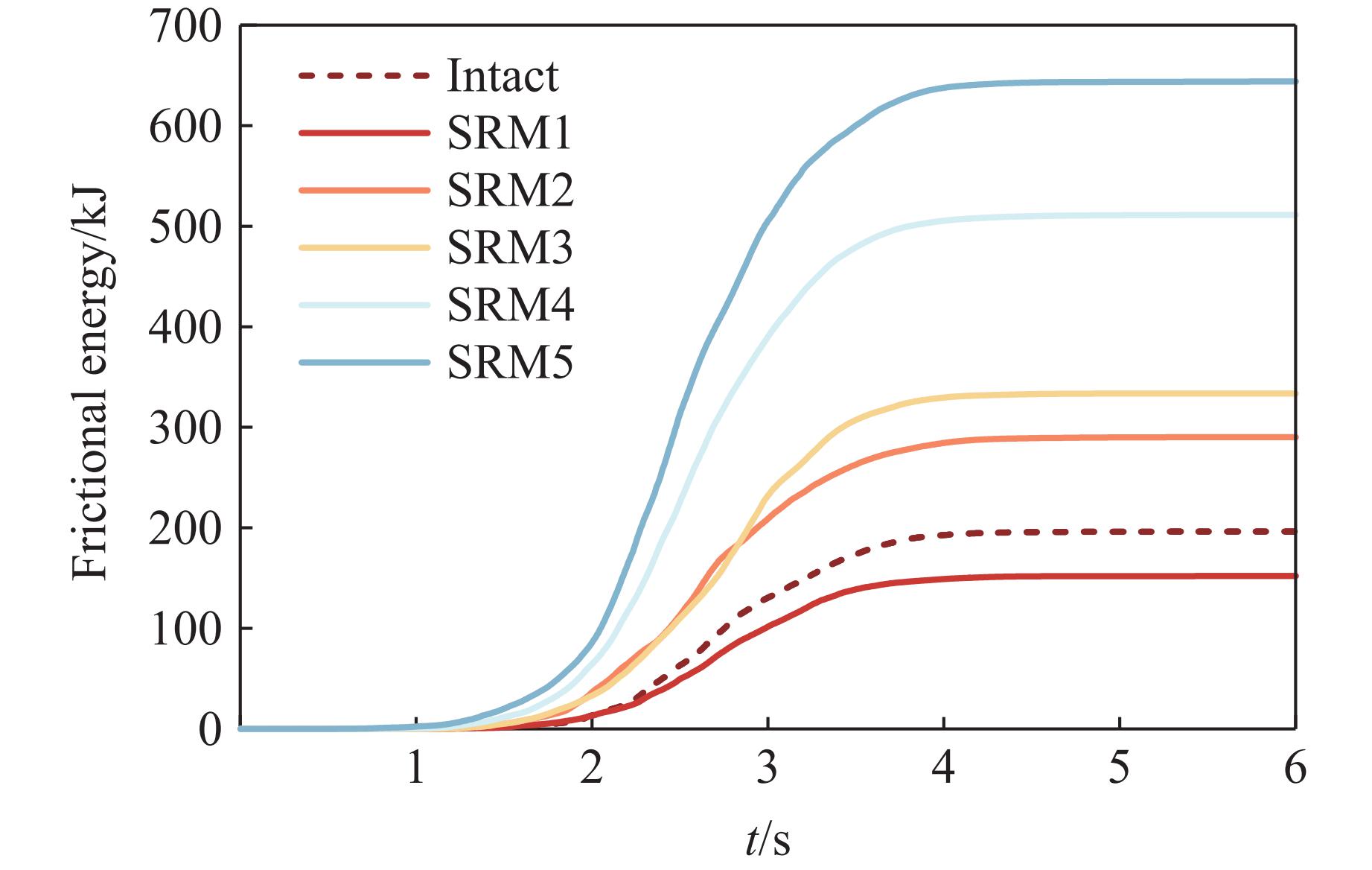
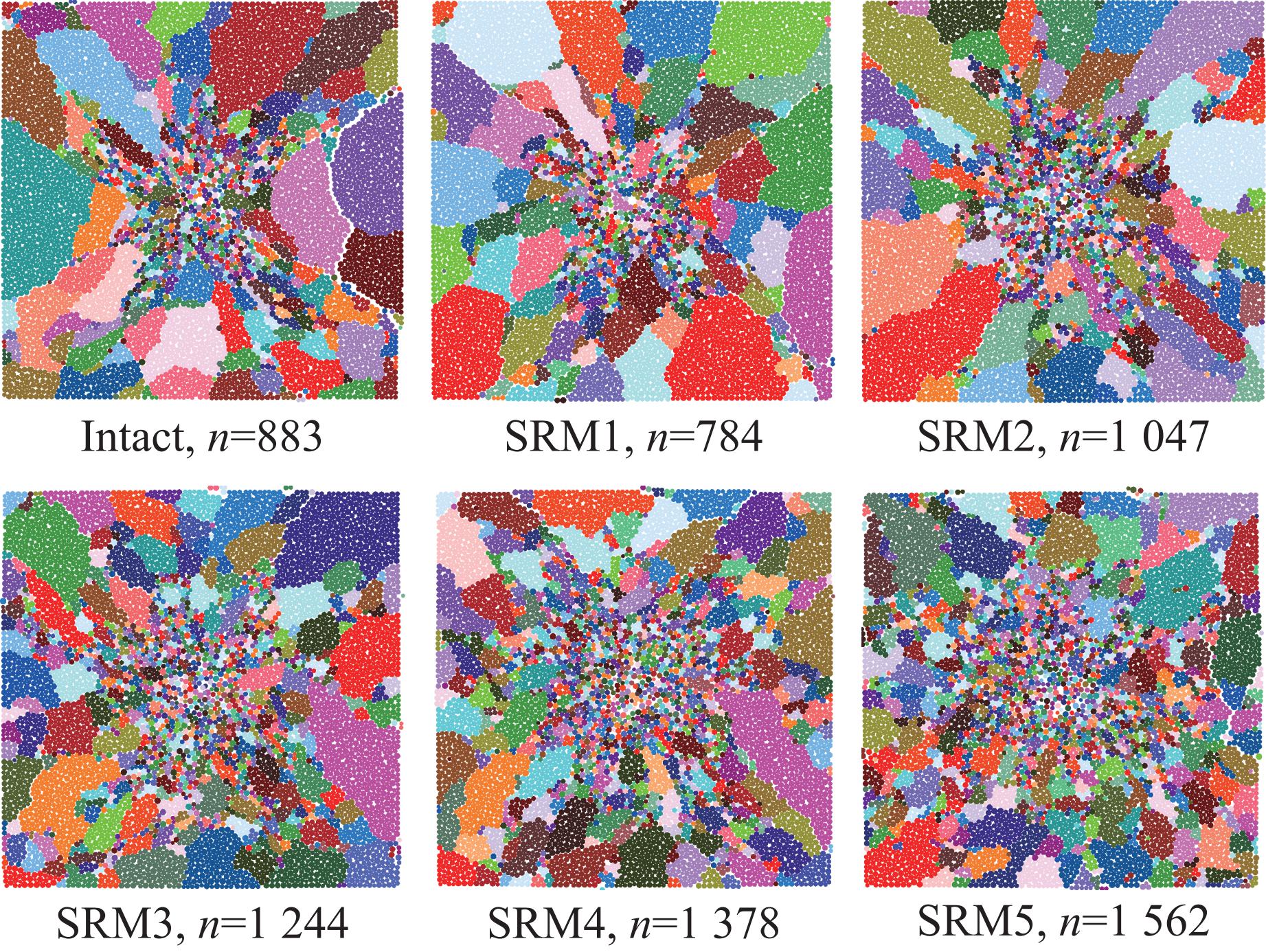
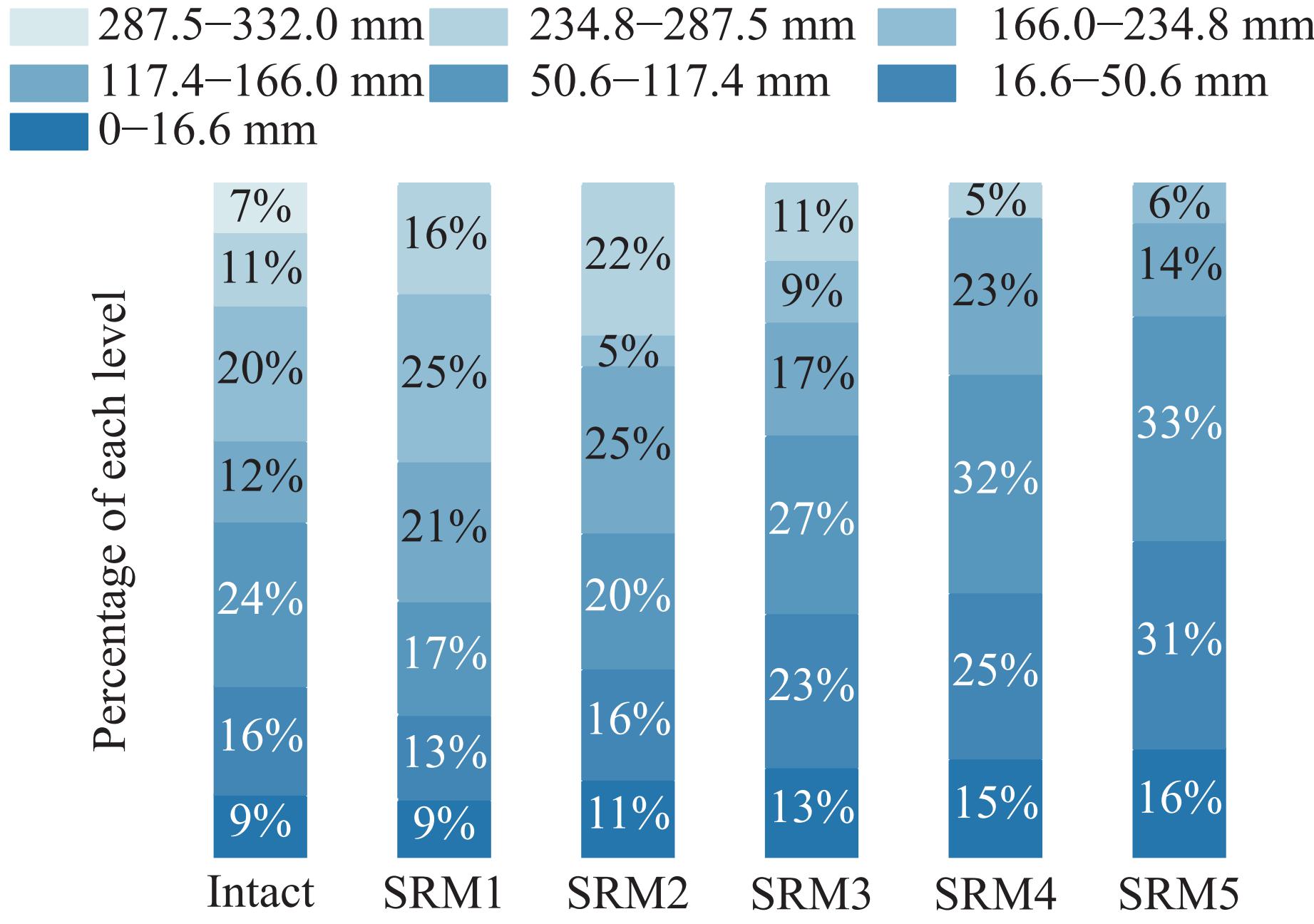
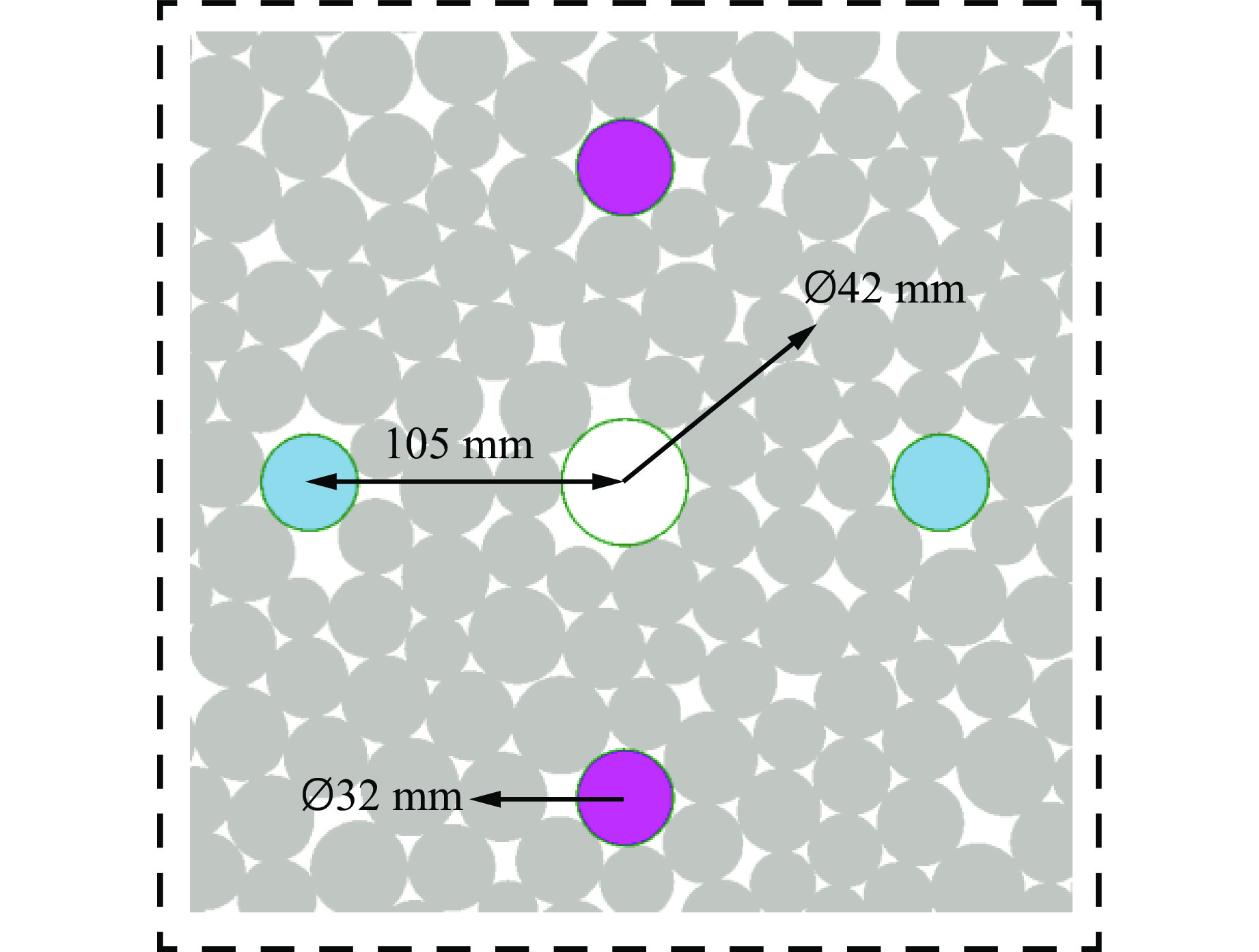
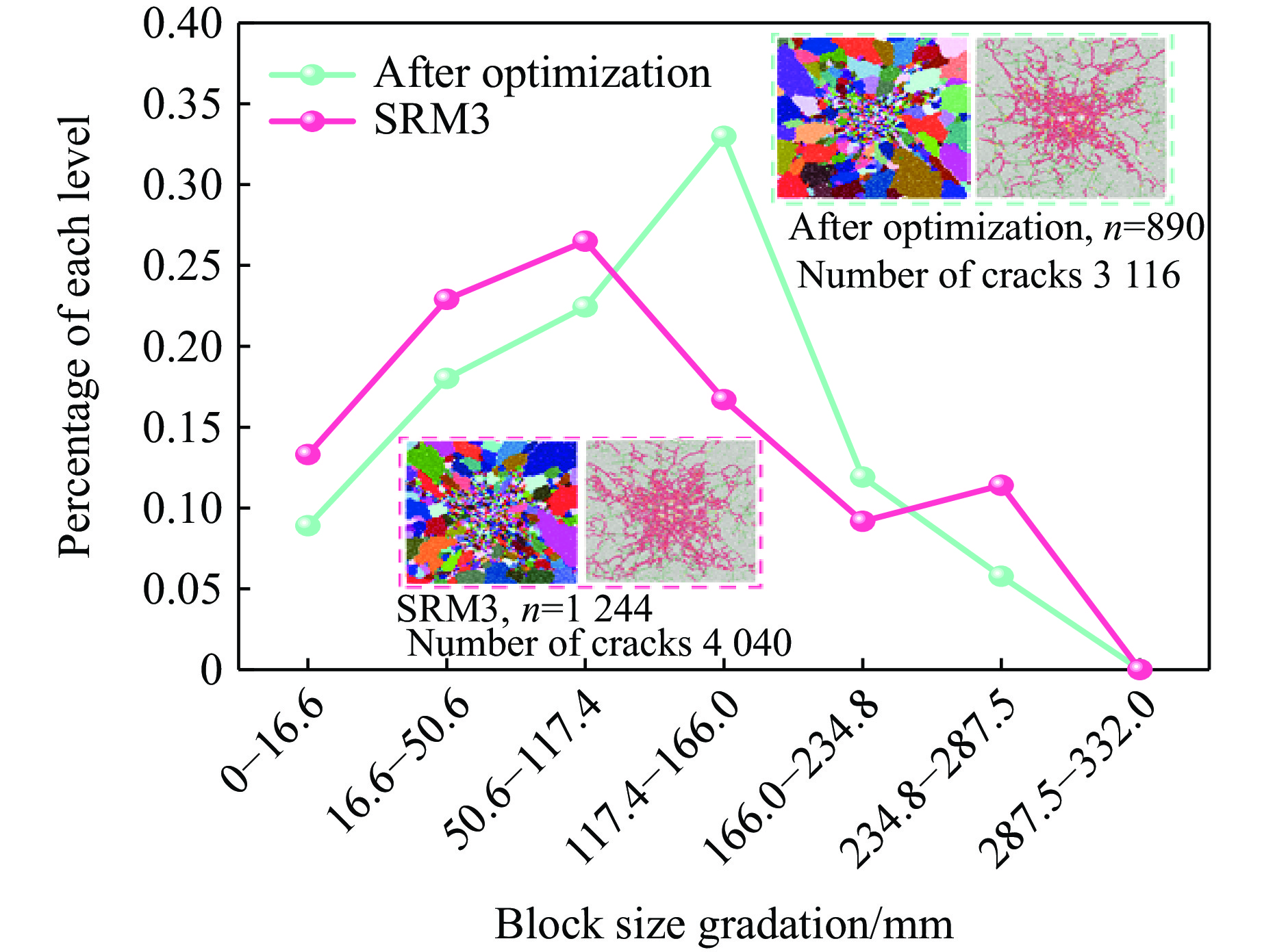
The grooving and blasting effect of the drilling and blasting method in roadway tunneling directly affects the blasting cycle efficiency, while the existing studies mostly ignore the influence of mesoscopic defects such as internal joints of rock mass. Based on the PFC (particle flow code) 2D discrete element method, a discrete fracture network (DFN) is introduced to construct a rock mass model with different densities of joints, and the particle expansion method is used to simulate the groove blasting process, and the effects of joint density on crack propagation, energy dissipation and post-explosion block size are systematically analyzed. On this basis, the blast hole layout scheme is optimized, the original 6-hole layout is simplified to a 4-hole diamond-shaped layout, and the 15 ms differential detonation is used to improve the explosive energy utilization rate, and the post-detonation effect is similar to the original scheme. Field tests show that the optimization scheme effectively saves the actual production cost and reduces the drilling workload. The research results emphasize the importance of considering the joint defects of rock mass for the optimization of blasting parameters, and provide a theoretical basis and practical reference for efficient tunneling of rock roadways.